
Let’s be real—if you’re reading this, you’ve probably hit that moment where you’re wondering if your current fitness routine is actually working or if you’re just spinning your wheels. Maybe you’ve been grinding at the gym for months and the results feel… meh. Or perhaps you’re starting fresh and want to avoid wasting time on stuff that doesn’t actually move the needle. The good news? There’s solid science behind what actually works, and it’s way simpler than the fitness industry wants you to believe.
The truth is, most people overcomplicate fitness. They chase trends, follow influencers doing ridiculous workouts, or get stuck in routines that stopped challenging them years ago. What actually transforms your body and health comes down to consistency, progressive challenge, and understanding a few core principles. In this guide, we’re breaking down exactly what science says works—and more importantly, how to actually implement it into your life without burning out.
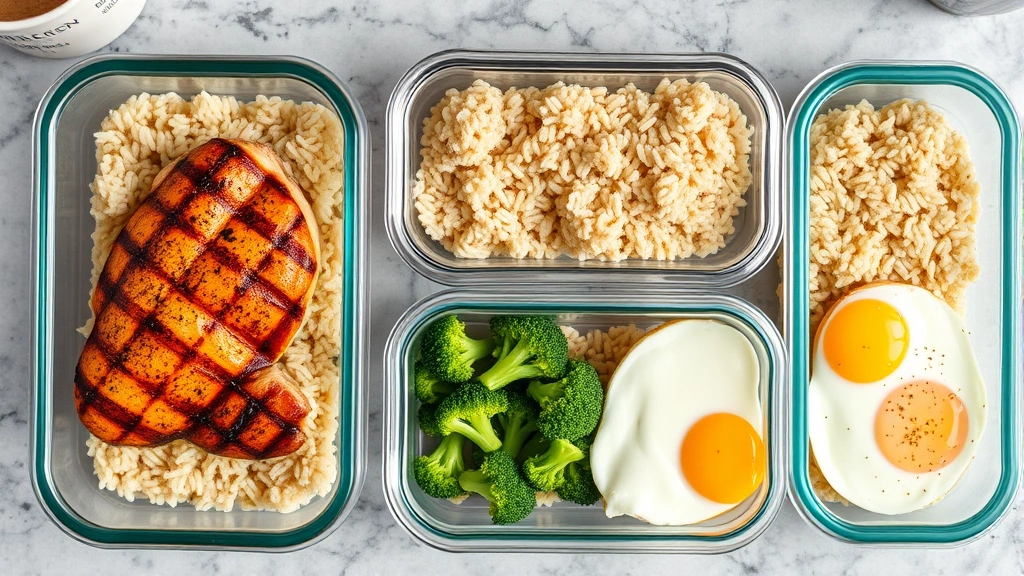
The Non-Negotiables of Effective Training
Before we dive into fancy programming, let’s talk about what actually matters. According to the American College of Sports Medicine (ACSM), effective training comes down to a few fundamentals: resistance training, cardiovascular work, and flexibility. But here’s where most people mess up—they do these things half-heartedly and wonder why they’re not seeing changes.
Resistance training isn’t optional if you want to change your body composition. Whether you’re using dumbbells, barbells, machines, or bodyweight, you need to be lifting something heavy enough that the last few reps feel genuinely challenging. This is what triggers muscle protein synthesis—the process that actually builds muscle. If you’re casually moving weights around while scrolling your phone, you’re not creating enough stimulus for adaptation. Your muscles need a reason to grow, and that reason is progressive challenge.
Cardiovascular training serves a different purpose. It improves heart health, burns calories, and enhances work capacity. But here’s the thing—you don’t need to be a cardio bunny. Even 150 minutes of moderate-intensity cardio per week (that’s about 30 minutes, 5 days a week) is enough for most people when combined with resistance training. Mix in some higher-intensity intervals and you’re golden.
The flexibility piece often gets ignored, but it matters more than people think. When you’re lifting heavy, your joints take stress. Maintaining mobility and doing basic stretching prevents injuries and keeps you feeling good outside the gym. Check out our guide on mobility drills for lifters to learn specific exercises that’ll keep you moving well.

Progressive Overload: Your Secret Weapon
Here’s the thing that separates people who get results from people who just stay busy—progressive overload. This is the principle of gradually increasing the demands on your body during exercise. Without it, you’ll plateau hard.
Progressive overload doesn’t always mean adding more weight. Yes, that’s the most obvious method, but you can also:
- Increase reps or sets: If you did 3 sets of 8 reps last week, aim for 3 sets of 9 reps this week
- Decrease rest periods: Do the same work in less time, which increases density and metabolic stress
- Improve exercise technique: Full range of motion on a lighter weight beats sloppy form with more weight every time
- Add volume strategically: Include an extra set or exercise for a muscle group you’re trying to develop
- Change angles or variations: Swap bench press for incline press to hit muscles differently
The key is tracking what you do. Write down your workouts. Seriously. You don’t need a fancy app—notes on your phone work. When you can see that you did 3 sets of 10 reps at 185 pounds last month and now you’re doing 3 sets of 12 reps at the same weight, you’ve made progress. Your body adapts to stress, and that adaptation is growth.
According to research from the National Academy of Sports Medicine (NASM), progressive overload is essential for continued adaptation. Without it, your body gets comfortable and stops changing. That’s why beginners see quick results—everything is new and challenging. Intermediate and advanced lifters have to be more intentional about progression.
Nutrition Isn’t Complicated (But Consistency Is)
The fitness industry makes nutrition sound like rocket science. It’s not. You need three things: adequate protein, enough calories for your goal, and mostly whole foods. That’s it. Everything else is details.
Protein is non-negotiable if you’re trying to build or maintain muscle. Aim for roughly 0.7 to 1 gram per pound of body weight daily. If you weigh 180 pounds, that’s 125-180 grams of protein. This can come from chicken, fish, beef, eggs, Greek yogurt, cottage cheese, legumes, or protein powder. None of it is magic—your body doesn’t care if it’s from a steak or a protein shake. It just needs the amino acids.
Calories matter for fat loss or muscle gain. Want to lose fat? You need a modest deficit—about 300-500 calories below maintenance. Want to gain muscle? You need a slight surplus—200-400 calories above maintenance. Want to recomp (lose fat and gain muscle simultaneously)? Stay around maintenance and focus on progressive overload. Our article on calculating your maintenance calories walks you through the math.
Here’s what actually kills progress: people eat great for two weeks, then fall off because they were too restrictive. You need a nutrition approach you can sustain. That might mean flexible dieting, intuitive eating, or just eating real food most of the time and not obsessing over every macro. Find what doesn’t feel like punishment and stick with it.
The Mayo Clinic’s nutrition guidelines emphasize whole foods, adequate hydration, and consistency over perfection. You don’t need to be perfect. You need to be consistent.
Recovery: The Underrated Game-Changer
This is where the magic actually happens—when you’re not in the gym. Your muscles grow during rest, not during the workout. The workout is just the stimulus. If you’re not recovering properly, you’re leaving gains on the table.
Sleep is the MVP of recovery. Aim for 7-9 hours nightly. This is when your body releases growth hormone, repairs tissue, and consolidates the adaptations from your training. If you’re sleeping 5 hours and wondering why you’re not making progress, that’s your problem right there. Everything else becomes harder when you’re sleep-deprived.
Nutrition and hydration support recovery too. You already know you need protein. You also need carbs to replenish glycogen stores (especially if you’re doing intense training) and healthy fats for hormone production. Drink enough water—a simple rule is half your body weight in ounces daily as a baseline, more if you’re training hard or live somewhere hot.
Active recovery matters, too. This isn’t intense exercise—it’s light movement like walking, easy cycling, or stretching. It increases blood flow, helps clear metabolic byproducts, and keeps you feeling good. Our guide on active recovery strategies breaks down specific approaches that actually work.
Stress management and deload weeks are real. If you’re training hard 52 weeks a year, your body never fully recovers. Every 4-8 weeks, take a week where you reduce volume by 40-50% and intensity drops. You’ll feel fresh when you come back, and you’ll make better progress.
How to Structure Your Week for Real Results
Let’s talk practical programming. You don’t need a fancy program—you need something you’ll actually do that hits all the important muscle groups and allows for progression.
A simple effective structure looks like this:
- Monday: Upper Body Push – Bench press or overhead press as main lift, then incline work, shoulder work, tricep accessories
- Tuesday: Lower Body – Squat or deadlift as main lift, then leg press or hack squat, hamstring work, quad accessories
- Wednesday: Active Recovery or Light Conditioning – Walk, easy bike, stretching, mobility work
- Thursday: Upper Body Pull – Rows or pull-ups as main lift, then more back work, rear delts, bicep accessories
- Friday: Lower Body or Full Body – Deadlift variation or full body compound work
- Saturday/Sunday: Rest or Light Activity
This hits each muscle group twice per week, allows for progression on main lifts, and includes recovery days. It’s not fancy, but it works. The best program is the one you’ll actually follow consistently.
If you’re new to training, check out our article on beginner strength training programs for more detailed programming options. If you’re more advanced, our intermediate and advanced lifting strategies covers periodization and more sophisticated approaches.
Common Mistakes That Kill Progress
You can do everything right and still mess it up with these common mistakes:
- Inconsistency: You can’t train hard for 3 weeks, take 2 weeks off, then expect results. Progress comes from showing up week after week, month after month. Life happens—just get back on track quickly.
- Chasing the pump instead of strength: High reps with light weight feel great and give you a pump, but they’re not optimal for building muscle long-term. You need heavy weight moving for moderate reps.
- Doing too much volume: More isn’t always better. If you’re doing 25+ sets per muscle group per week and not recovering, you’re sabotaging yourself. Quality beats quantity.
- Ignoring form: Your ego will tell you to load more weight than you can handle with good form. Your results will suffer for it. Leave your ego at the door.
- Not eating enough: You can’t build muscle in a huge calorie deficit. If you’re trying to gain muscle, you need to eat enough. If you’re trying to lose fat, you need a modest deficit, not a drastic one.
- Switching programs constantly: Give a program at least 4-8 weeks before changing. You need time to adapt and progress. Program-hopping is one of the biggest progress killers.
The common thread here? Impatience. Real transformation takes months and years, not weeks. If you’re looking for results in 2-3 weeks, you’re setting yourself up for disappointment. But if you commit to consistent training, smart nutrition, and recovery for 3-6 months? You’ll be shocked at what’s possible.
For more on avoiding these mistakes, read our deep dive on why you’re not seeing results from your training.
FAQ
How long until I see results from training?
You’ll feel stronger and have more energy within 1-2 weeks. Visible body composition changes typically take 4-8 weeks of consistent training and nutrition. Significant transformations take 3-6 months minimum. Patience wins.
Do I need to train every day to get results?
No. Training 3-5 days per week is sufficient for most people. Your muscles grow on rest days, not training days. More frequency doesn’t equal better results if recovery suffers.
Should I do cardio or weights first?
If you’re doing both in one session, prioritize based on your goal. Want to build strength? Lift first when you’re fresh. Want to improve cardio? Do it first. Ideally, separate them into different sessions.
Is it too late to start training?
No. Research from PubMed studies on exercise science shows that people of all ages can build muscle and improve fitness. You’ll progress faster when younger, but starting at any age beats not starting.
Can I get results without tracking calories?
Maybe, but tracking makes it way easier. You don’t need to obsess, but knowing roughly what you’re eating helps you adjust if progress stalls. Even rough tracking beats guessing.
What’s the best supplement for muscle growth?
Protein powder (for convenience), creatine (backed by decades of research), and a multivitamin (insurance policy). Everything else is probably unnecessary. Focus on training, nutrition, and sleep first.


