
Let’s be real—building muscle and losing fat at the same time sounds like fitness mythology. You’ve probably heard the conventional wisdom: pick one goal, focus on it, and forget about the other. But here’s the thing: your body’s way more flexible than that old advice suggests. Whether you’re just starting your fitness journey or you’ve been hitting the gym for a while, body recomposition (that’s the fancy term for simultaneously building muscle while shedding fat) is totally doable. It just takes understanding how your body works and being intentional about your approach.
The reason this matters is simple—most people want to look better, feel stronger, and have more energy. You don’t have to choose between those things. Instead of spending months bulking up and then months cutting down, you can work toward multiple goals at once. It’s not magic, but it’s pretty close when you get the fundamentals right.
Understanding Body Recomposition Basics
Body recomposition is when your body composition (the ratio of muscle to fat) improves while your overall weight might stay roughly the same or change slower than you’d expect. Why? Because muscle is denser than fat. You could lose 10 pounds of fat and gain 10 pounds of muscle, and the scale barely moves—but your clothes fit differently, you look leaner, and you feel stronger.
This is especially powerful when you’re new to strength training or returning after time off. Your body’s got something called the newbie advantage—beginners can build muscle while in a calorie deficit because they’re training their muscles for the first time (or the first time in a while). This metabolic flexibility is real, and research backs it up. According to studies on body composition changes, untrained individuals can experience significant muscle gains even while losing fat, especially in the first 8-12 weeks of consistent training.
The key is that your body needs a stimulus to change—that comes from resistance training. You’re basically telling your muscles “hey, we need you to get stronger,” and simultaneously creating an environment (through nutrition and calories) where fat becomes expendable. It’s elegant when you think about it.
The Role of Protein in Muscle Building
Here’s where a lot of people mess up: they focus so hard on calories that they forget about protein. Protein’s your secret weapon for body recomposition because it does multiple things at once. It’s the raw material your muscles need to grow, it keeps you fuller longer, and it has a higher thermic effect than other macronutrients (meaning your body burns more calories just digesting it).
When you’re trying to build muscle while losing fat, your protein needs actually go up compared to someone just maintaining weight. The general recommendation is somewhere between 0.7-1 gram per pound of body weight, though some research suggests going even higher can help preserve muscle during aggressive fat loss. If you weigh 180 pounds, you’re looking at 125-180 grams of protein daily.
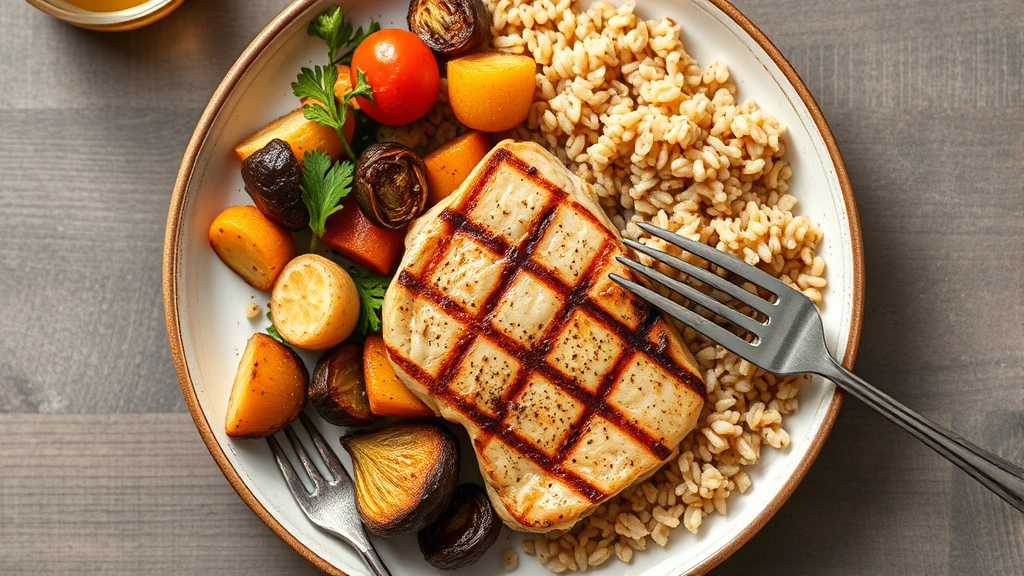
This is where understanding different protein sources becomes practical. Lean meats, fish, eggs, Greek yogurt, cottage cheese, and plant-based options like lentils and tofu all work. The best source is whichever one you’ll actually eat consistently. Some people do great with protein shakes as a convenient option, others prefer whole foods. Neither is inherently better—consistency beats perfection every time.
A helpful framework: aim for protein at every meal. This distributes your amino acid intake throughout the day, which is better for muscle protein synthesis than cramming it all into one meal. Breakfast with eggs, lunch with chicken, snack with Greek yogurt, dinner with salmon—you’re hitting your target without overthinking it.
” alt=”Fitness”/>
Smart Calorie Management for Dual Goals
The calorie question is where things get nuanced. For body recomposition to work, you can’t be in a massive deficit. If you’re eating 500 calories below your maintenance level, that’s aggressive—probably too aggressive if muscle building is part of your goal. A moderate deficit of 200-400 calories below maintenance is the sweet spot for most people. It’s enough to create fat loss without hammering your recovery and muscle-building potential.
How do you figure out your maintenance calories? Start with a rough estimate using your activity level and body weight, then track your weight and progress for 2-3 weeks. If it’s staying stable, you’ve found roughly your maintenance. If it’s going up or down consistently, adjust accordingly. This doesn’t require obsessive tracking forever—just enough to get calibrated.
Here’s the practical part: you don’t need to hit your calorie target perfectly every single day. Aiming for your target on average over a week is totally fine. Tuesday you’re 300 calories over? Cool. Wednesday you’re 200 under? That balances out. This takes the pressure off and makes nutrition sustainable instead of stressful.
For some people, especially those with a history of disordered eating, strict calorie counting can be unhelpful. In that case, focusing on basic nutrition principles—eating mostly whole foods, getting enough protein, and eating until you’re satisfied (not stuffed)—often works just as well. Your body gives you feedback. Use it.
Training Strategies That Work
The training part of body recomposition is where you actually stimulate muscle growth. This means resistance training—lifting weights, using machines, doing bodyweight exercises, whatever creates that stimulus. Cardio’s great for your heart and can contribute to your calorie deficit, but it’s not the primary driver of muscle building.
An effective program for body recomposition typically includes:
- Compound movements (squats, deadlifts, bench presses, rows) that work multiple muscle groups and create the biggest stimulus for growth
- Adequate volume (roughly 10-20 sets per muscle group per week) to drive adaptation
- Progressive overload (gradually increasing weight, reps, or difficulty) to keep challenging your muscles
- Frequency (hitting each muscle group 2-3 times per week) to maximize protein synthesis
You don’t need a fancy program. Simple works. Three days a week of full-body training with compound movements and some accessory work will absolutely drive body recomposition. Four days split between upper and lower body works too. The best program is the one you’ll actually do consistently.
Something important: progressive overload doesn’t mean adding 20 pounds to the bar every week. It means gradually increasing the challenge over time. Maybe you add 5 pounds, or hit one extra rep, or decrease rest periods. Small increments compound into serious progress over months and years.
If you’re new to training, consider working with a coach or following a beginner program from a reputable source like NASM or ACE. Getting the movement patterns right early saves you from bad habits that are hard to break later.
Recovery and Consistency Matter Most
Here’s the reality that nobody talks about enough: recovery is where the magic actually happens. You don’t grow in the gym—you grow when you’re resting. Muscle protein synthesis (the process of building new muscle tissue) is elevated for up to 48 hours after a good training session, but only if you’re giving your body what it needs to recover.
Sleep is non-negotiable. Aim for 7-9 hours per night. This is when your body releases growth hormone, consolidates memories (including movement patterns), and repairs tissue. You can’t out-train bad sleep, and you definitely can’t out-recover it. If sleep’s been rough, your training might suffer that day—and that’s okay. Listen to your body.
Stress management matters too. Chronic stress elevates cortisol, which can make fat loss harder and recovery slower. This doesn’t mean you need to live in a meditation retreat. It means taking walks, spending time with people you like, doing hobbies that aren’t fitness-related, and not obsessing about every workout or meal choice.
Consistency is where most people actually fail, not because the plan’s wrong but because life happens. You miss a week. You travel. You get sick. The people who succeed with body recomposition aren’t perfect—they’re just consistent over time. They get back on track after disruptions instead of using them as an excuse to quit.
Track your progress beyond the scale. Take photos every 4 weeks. Notice how your clothes fit. Pay attention to your strength—are you lifting more weight or hitting more reps? These are often more motivating than watching the scale, especially during body recomposition when visual changes can be dramatic while weight barely moves.

” alt=”Fitness”/>
FAQ
How long does body recomposition take?
It depends on your starting point, but most people see noticeable changes in 8-12 weeks of consistent training and nutrition. Body recomposition is slower than pure bulking or cutting, but the results look better and are more sustainable long-term.
Can I do body recomposition if I’m already fit?
Yes, but it’s slower. If you’ve been training for years, your newbie advantage is gone. You might need to be in a smaller deficit or even at maintenance calories to build muscle while losing fat. This is where working with a coach can be really valuable to dial in your specific situation.
Do I need supplements for body recomposition?
No. Protein powder, creatine, and basic vitamins can be helpful for convenience or performance, but they’re not necessary. Getting your nutrition from whole foods is totally sufficient. The fundamentals (training, protein, calories, sleep) matter way more than any supplement.
What if I’m not seeing results?
First, give it at least 8 weeks. Your body needs time to adapt. Then, check your basics: Are you actually training hard? Getting enough protein? Being consistent? Is your sleep decent? Usually, one of these is the bottleneck. If you’ve nailed the fundamentals for 8-12 weeks with no progress, then it’s time to adjust—maybe your calories need tweaking, or your training needs more volume.
Is body recomposition realistic for women?
Absolutely. Women can absolutely build muscle while losing fat. The process is the same—resistance training, adequate protein, moderate calorie deficit, and consistency. Hormonal differences might mean slightly different rates of progress, but the fundamentals apply equally.


