
Building Sustainable Fitness Habits: The Real Talk About Long-Term Success
Let’s be honest—you’ve probably started a fitness routine before. Maybe you crushed it for two weeks, felt amazing, and then… life happened. Work got busy, motivation tanked, or you just got bored. Sound familiar? You’re not alone. The difference between people who transform their fitness and those who keep restarting isn’t superhuman willpower or genetics. It’s about building habits that actually stick, not just surviving another January resolution.
The fitness industry loves to sell you the fantasy: six-pack abs in 90 days, transformations that defy physics, or the one “secret” move that changes everything. But here’s what actually works—and what I’ve seen succeed over years of training—is something way less sexy: consistency, self-compassion, and systems that fit your real life. Not the life you think you should have, but the one you actually live.
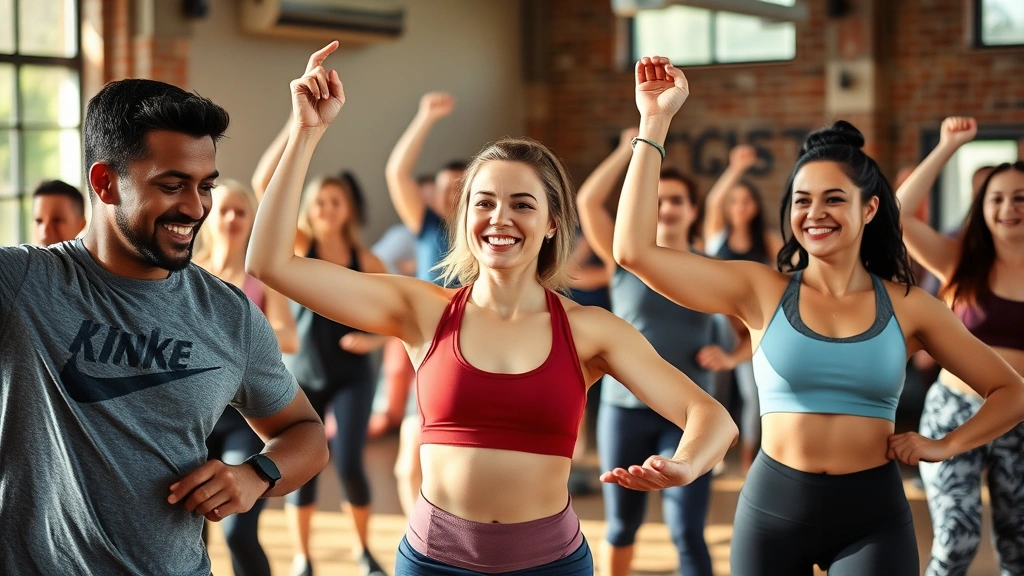
Why Most Fitness Habits Fail (And It’s Not Your Fault)
You know what the biggest problem is with most fitness advice? It’s designed by people who already love working out. They’re trying to sell you on the same intensity, frequency, and approach that works for them—someone who’s already obsessed. But you’re not them. You’re someone with a job, responsibilities, probably some days where you’re exhausted just from existing, and zero desire to make fitness your entire personality.
Here’s what research from the American College of Sports Medicine (ACSM) consistently shows: the best workout is the one you’ll actually do. Not the one with the coolest name, the most impressive weight on the bar, or the one your fit friend won’t shut up about. The one you’ll show up for when it’s raining, when you’re tired, and when Netflix is calling your name.
Most people fail because they’re trying to go from zero to hero overnight. They pick a routine that’s too intense, nutrition rules that are too restrictive, or a schedule that requires them to be a morning person when they’re decidedly not. Then, when they inevitably miss a day or eat pizza, they spiral into “I’ve already failed” thinking and quit entirely.
The solution? Start so small that it feels almost silly. We’ll get into that next, but first—understand that every successful person you see didn’t start where they are now. They started exactly where you are: confused, probably a little skeptical, and wondering if they could actually pull this off.

The Science Behind Habit Formation
Habits work through something called a habit loop: cue, routine, reward. Your brain recognizes a trigger (the cue), performs a behavior (the routine), and gets a payoff (the reward). When you repeat this loop enough times, your brain starts craving the reward and automatically triggers the behavior when it sees the cue.
According to research published in PubMed, habits typically take 66 days to form on average, though it can range from 18 to 254 days depending on the complexity and the person. But here’s the thing people miss: it’s not about the number of days. It’s about consistent repetition, even when it’s imperfect.
This is why your approach to starting stupid small matters so much. You’re not trying to become a fitness fanatic overnight. You’re creating a cue-routine-reward loop that your brain will eventually run on autopilot. Your cue might be “I get home from work.” Your routine is “I change into workout clothes and do 10 minutes of movement.” Your reward is “I feel more energized and proud of myself.”
The ACSM emphasizes that adherence is everything. A mediocre workout you do consistently beats the perfect workout you do once and never again. Your nervous system also needs time to adapt to new movement patterns, so there’s actual science supporting the “slow and steady” approach. When you overdo it early, you’re setting yourself up for injury, burnout, and that lovely soreness that makes stairs feel like a personal betrayal.
Building Your Foundation: Start Stupid Small
I’m going to say this plainly: if you’re currently doing zero workouts, your first habit isn’t “go to the gym five days a week.” It’s something smaller. Maybe it’s a 10-minute walk. Maybe it’s doing 5 minutes of stretching in your living room. Maybe it’s one strength training session per week. The goal here is to build the habit of showing up, not to maximize results.
Think about how you approach sustainable fitness habits. You’re not sprinting a marathon; you’re building a foundation that’ll support you for years. This means your first month should feel almost too easy. That’s the point. You’re training your brain to associate “this thing” with “something I do regularly,” not “something that hurts and makes me miserable.”
Here’s a practical framework:
- Week 1-2: Just show up. Do the minimum version of what you want to build. Walk around the block. Do five bodyweight squats. Stretch for five minutes. The goal is consistency, not intensity.
- Week 3-4: Add a tiny bit more volume or slightly increase intensity. Maybe you walk for 12 minutes instead of 10. Maybe you do 8 squats instead of 5. Still nothing dramatic.
- Week 5-8: Now you can start being more intentional about progression. Your habit is locked in. Now you can actually work toward results.
This approach might feel slow, and it is. But you know what’s slower? Starting and stopping every three months because you burned out. The people who transform their bodies over years aren’t the ones with the most willpower. They’re the ones who never stopped showing up.
Progressive Overload Without Burnout
Once you’ve got your habit locked in, you can start thinking about actual progress. This is where progressive overload comes in—the principle of gradually increasing the demands on your body during exercise.
Progressive overload doesn’t mean lifting heavier every week or running faster every session. It means strategically increasing one variable at a time: weight, reps, sets, volume, density, or range of motion. The key word is “strategically.” You’re not trying to break your personal record every week. You’re creating a sustainable upward trajectory.
Here’s what this actually looks like: if you’ve been doing three sets of 10 squats with your bodyweight, next week you might do three sets of 12. The week after, maybe you add a light weight. Then you increase reps again. This micro-progression doesn’t feel dramatic, but over months, it compounds into real strength and muscle gains.
The National Academy of Sports Medicine (NASM) recommends increasing intensity by 5-10% at a time to minimize injury risk while maintaining progress. This isn’t sexy, but it works. And more importantly, it doesn’t destroy your body or your motivation.
Recovery matters just as much as the workout itself. When you’re pushing harder, you need to pay attention to sleep, nutrition, and mobility work. Skipping these things is like trying to build a house on sand—it might look good for a while, but it’ll collapse.
Nutrition as a Habit, Not a Restriction
Here’s where most people sabotage themselves: they separate fitness and nutrition like they’re two different things. They’ll crush their workouts but eat like garbage, then wonder why they’re not seeing results. Or they go all-in on some restrictive diet, white-knuckle it for a month, and then binge on everything they’ve been denying themselves.
Instead, think about nutrition for fitness goals as building habits, not following rules. What does this look like in practice? Pick one or two nutrition habits to start with. Maybe it’s “drink more water” or “eat protein with every meal.” Not “never eat carbs” or “meal prep every Sunday like a fitness influencer.”
The Mayo Clinic fitness resources emphasize that sustainable nutrition is about balance and consistency, not perfection. You don’t need to be 100% dialed in. You need to be 80% consistent most of the time. That means you can have pizza, dessert, or whatever without derailing your progress. It’s one meal, not a lifestyle choice.
Build your nutrition habits the same way you build your workout habits: small, sustainable, and built into your existing routine. If you hate meal prepping, don’t do it. If you’re not a breakfast person, don’t force yourself to eat breakfast. Work with your life, not against it.
Recovery: The Underrated Game-Changer
Nobody gets a tattoo of their favorite sleep schedule, but recovery is legitimately where the magic happens. Your muscles don’t grow in the gym. They grow when you’re resting, eating, and sleeping. This is why recovery and rest days aren’t optional extras for elite athletes—they’re fundamental to progress for everyone.
Sleep is non-negotiable. When you’re sleep-deprived, your cortisol (stress hormone) goes up, your testosterone goes down, your hunger hormones get weird, and your body holds onto fat. You also make worse decisions about food and are way more likely to skip workouts. Prioritize 7-9 hours of sleep like it’s a workout itself.
Rest days aren’t punishment for not being disciplined enough. They’re when your body adapts to the stress you’ve put it under. You come back stronger. Without them, you’re just accumulating fatigue and increasing injury risk. And honestly? You’ll probably enjoy your workouts more if you’re actually recovered.
Mobility and stretching are also part of recovery. You don’t need 30-minute yoga sessions (though if you like that, go for it). Even 5-10 minutes of gentle stretching or foam rolling can make a huge difference in how you feel and how your body moves.
Tracking Progress Beyond the Scale
The scale is a liar. It doesn’t tell you about muscle gain, fat loss, water retention, hormonal fluctuations, or how much you ate yesterday. It just tells you how much you weigh right now, which is influenced by dozens of variables you can’t control.
If you only track the scale, you’ll drive yourself insane. And you’ll miss out on celebrating actual progress. This is why measuring fitness progress means looking at multiple metrics:
- Performance: Can you do more reps, lift more weight, run faster, or go longer than before? This is the most reliable indicator of progress.
- How you look: Not just the scale. Are your clothes fitting differently? Do you look more muscular in photos? Do you have more definition?
- How you feel: More energy? Better sleep? Less back pain? These count as wins.
- Measurements: Sometimes the scale doesn’t move, but your waist gets smaller and your shoulders get bigger. That’s progress.
- Consistency: Did you stick to your habit? That’s the biggest win of all.
Track whatever keeps you motivated. For some people, it’s a simple calendar where they mark off days they worked out. For others, it’s a detailed spreadsheet of weights and reps. For others, it’s progress photos. There’s no wrong answer as long as it helps you see your progress and stay committed.
FAQ
How often should I work out if I’m just starting out?
Start with 2-3 days per week of consistent, moderate-intensity activity. This could be walking, strength training, or a combination. Once this becomes a solid habit (around 4-6 weeks), you can increase frequency if you want. The goal is consistency, not volume.
Should I focus on cardio or strength training?
Both matter, but for most people starting out, strength training should be the priority. It builds muscle, improves metabolism, protects bone density, and makes you feel strong. Cardio is great for heart health and can be part of your routine, but don’t skip resistance training.
What if I miss a workout? Does that ruin everything?
No. Missing one workout doesn’t matter. Missing a week matters. Missing a month definitely matters. The goal is consistency over time, not perfection. You’ll have days you can’t work out, and that’s fine. Just get back to it the next day without drama.
How long before I see results?
You’ll feel different (better sleep, more energy, improved mood) within a few weeks. Visible changes typically show up around 4-6 weeks of consistent training combined with decent nutrition. Significant body composition changes take 8-12 weeks. Patience is part of the process.
Can I build muscle while losing fat?
Yes, especially if you’re new to training or returning after a break. Eat adequate protein, do strength training, and create a small caloric deficit if you’re trying to lose fat. You won’t transform as quickly as someone doing one or the other, but you’ll make progress in both directions.
What’s the best time of day to work out?
The best time is whenever you’ll actually do it. If that’s 6 AM, great. If it’s 6 PM, also great. Consistency matters way more than timing. That said, most people find they have more energy in the afternoon, so if you have flexibility, that’s worth trying.


