Table of Contents
Introduction
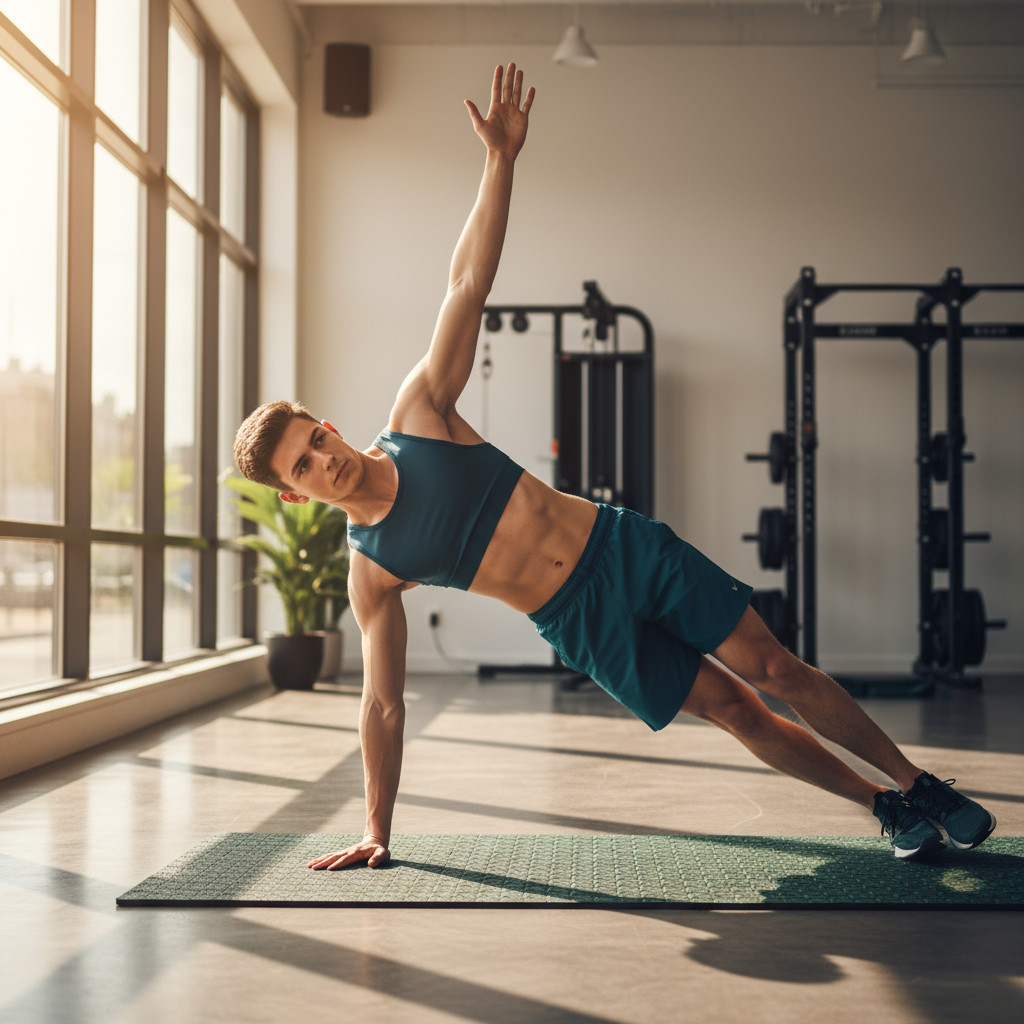
Imagine a workout that not only strengthens your muscles but also prepares your body for real-life movements that make everyday tasks easier and safer. Functional fitness workouts are rapidly gaining popularity because they focus on training your body to perform activities efficiently and effectively, whether you’re lifting groceries, climbing stairs, or playing with your kids. This approach to fitness taps into natural movements that align with how our bodies are designed to function, making it an appealing and practical form of exercise for people of all ages and fitness levels.
In recent years, more people are seeking workout routines that go beyond traditional gym exercises. The rise of functional fitness reflects a growing awareness that health and fitness are about quality of life, not just aesthetics. According to industry research, the global functional fitness market is expanding as individuals look for workouts emphasizing strength, balance, and mobility. This trend underscores the importance of functional training in enhancing overall wellbeing and performance in daily life. While many fitness programs focus on isolated muscle groups, functional fitness integrates whole-body movements, helping reduce injury risks and improve coordination.
Functional fitness workouts are rooted in movements that mimic everyday actions, which help bridge the gap between gym training and practical application. For example, exercises like squats, lunges, and push-ups train muscles in patterns that people use in daily activities. Beyond mere muscle building, this approach focuses on improving joint stability, core strength, and posture, vital components for maintaining mobility and independence as you age. The ability to move freely and perform tasks without pain or difficulty can significantly boost confidence and mental wellbeing.
Many individuals struggle with the question of how to begin or structure functional fitness workouts effectively. Whether you’re a fitness enthusiast or new to exercise, understanding the foundational principles can help tailor a program that suits your goals. Additionally, maintaining proper technique and addressing personal limitations is essential for safety and maximizing benefits. This guide aims to clear the confusion and provide practical, evidence-based insights to support your journey toward improved functional fitness.
What You’ll Learn in This Guide
This comprehensive guide covers the essential aspects of functional fitness workouts to help you get started and progress confidently. Whether you’re aiming to enhance daily functionality or improve athletic performance, this guide offers practical advice and expert tips.
- Understanding the Basics: We break down what functional fitness is, how it differs from traditional exercise, and the core principles behind functional movements to give you a solid foundation.
- Key Benefits: Explore the physical, mental, and lifestyle advantages of functional training, such as improved balance, strength, mobility, and stress reduction, highlighting why it’s worth incorporating into your routine.
- Effective Exercises and Equipment: Get to know common functional fitness exercises like squats, lunges, and kettlebell swings, along with the equipment options available to suit different fitness levels and preferences.
- Creating Your Workout Plan: Learn how to design a balanced and safe functional fitness workout plan with clear goals, warm-up and cool-down strategies, and sample routines to keep you motivated and progressing safely.
In the sections that follow, we will delve deeper into what defines functional fitness and why it matters in today’s active lifestyles. You’ll gain insights into specific workouts and equipment that can be adapted to any fitness level or age group. Additionally, we’ll discuss how to personalize your workout plan to suit your individual goals and ensure maximum safety and effectiveness.
By exploring various exercises and training methods, this guide aims to empower you to incorporate functional fitness into your life seamlessly. The practical tips and techniques covered will help you build a routine that enhances your strength, coordination, and confidence in everyday movements. Whether you’re working out at home, in a gym, or outdoors, functional fitness principles can fit your lifestyle and help you achieve lasting health benefits.
So, get ready to embark on a journey toward a fitter, more capable you. As we move forward, you will discover how functional fitness workouts can be the key to unlocking a healthier and more active lifestyle. By the end of this guide, you’ll have the knowledge and tools to confidently create your own functional fitness routine and enjoy the many rewards it offers.

Functional fitness workouts have gained tremendous popularity recently as more people seek practical, effective ways to improve their overall physical health and daily movement capabilities. Unlike traditional workouts that often isolate specific muscle groups, functional fitness focuses on exercises that mimic real-life movements and activities. This functional approach not only enhances strength but also improves balance, coordination, and mobility, making everyday tasks easier and reducing injury risks. This discussion will delve deeper into the essential elements of functional fitness, its benefits, and how to create effective workout plans tailored to individual needs.
Benefits of Functional Fitness Workouts
Functional fitness workouts offer a range of physical and mental benefits that extend beyond conventional exercise routines. By training movements that the body naturally performs daily, this type of workout enhances muscle synergy, joint stability, and overall body control. Improved balance and strength directly translate into better performance in sports and smoother execution of everyday activities like lifting, bending, and reaching. Additionally, functional fitness encourages better posture and mobility, which are key to preventing injuries and managing chronic pain as one ages.
Mental and lifestyle benefits also play a significant role in the appeal of functional fitness. Engaging in these workouts has been shown to improve focus, reduce stress levels, and build confidence in one’s physical abilities. Participating regularly can promote a positive mindset by fostering a sense of accomplishment and empowerment. Unlike monotonous gym exercises, functional workouts often incorporate dynamic and varied movements, which helps maintain interest and motivation over time.
Physical Benefits Explained
When incorporating functional fitness into your routine, the physical benefits are numerous and well-documented. Consider these key physical advantages:
- Improved Balance and Coordination: Functional exercises challenge the body to stabilize itself, enhancing neuromuscular control which is crucial for preventing falls and maintaining stability during complex movements.
- Enhanced Strength Across Muscle Groups: Instead of isolating muscles, functional workouts engage multiple muscles in coordinated action, leading to more efficient movement patterns and overall strength gains.
- Increased Mobility and Flexibility: By incorporating dynamic stretches and varied ranges of motion, functional fitness promotes joint health and flexibility, which are essential for long-term musculoskeletal wellness.
- Injury Prevention: Better body awareness and strengthened stabilizing muscles reduce the likelihood of strains and sprains, making functional fitness an excellent preventative strategy.
How to Create a Functional Fitness Workout Plan
Designing an effective functional fitness workout plan involves understanding your personal goals, assessing your current fitness level, and incorporating a variety of exercises that develop strength, cardio endurance, and flexibility. A well-structured plan balances these elements to optimize performance and health benefits without overtraining or risking injury. Starting with clear objectives—such as improving daily mobility, increasing muscle strength, or enhancing athletic performance—helps guide exercise selection and progression.
Warm-up and cool-down phases are integral parts of any fitness routine and especially vital in functional training. These segments prepare the body for movement, increase circulation, and promote recovery after exercise, reducing soreness and injury chances. Mixing cardio and strength training within functional workouts also encourages cardiovascular health while building muscular endurance, creating a comprehensive fitness regimen that supports holistic wellbeing.
Planning Tips for Effective Workouts
Mapping out your functional fitness routine can be straightforward with these essential planning tips to keep in mind:
- Set Clear Goals: Define what you want to achieve, whether it’s enhanced everyday performance or specific strength milestones. Clear goals provide motivation and measurable progress checkpoints.
- Assess Fitness Level: Knowing your starting point helps tailor exercises to your capabilities, ensuring safety and effectiveness while preventing overexertion or injury.
- Include Warm-Up and Cool-Down: Prepare your body for the workout with dynamic warm-ups and support recovery with gentle cool-down stretches to maintain flexibility and reduce muscle stiffness.
- Balance Exercise Types: Integrate strength, cardiovascular, and flexibility exercises for a well-rounded program that optimizes overall fitness and endurance.

Conclusion
Functional fitness workouts offer a comprehensive approach to enhancing your ability to perform daily activities with greater ease and safety. Unlike traditional exercise routines that isolate muscle groups, functional fitness training integrates natural movement patterns involving multiple muscles and joints. This holistic method improves balance, strength, coordination, and mobility—key components that help lower the risk of injuries and support longevity in an active lifestyle. Beyond the physical advantages, engaging in functional fitness can boost your mental health by reducing stress, sharpening focus, and building confidence as you master new movements and see tangible progress.
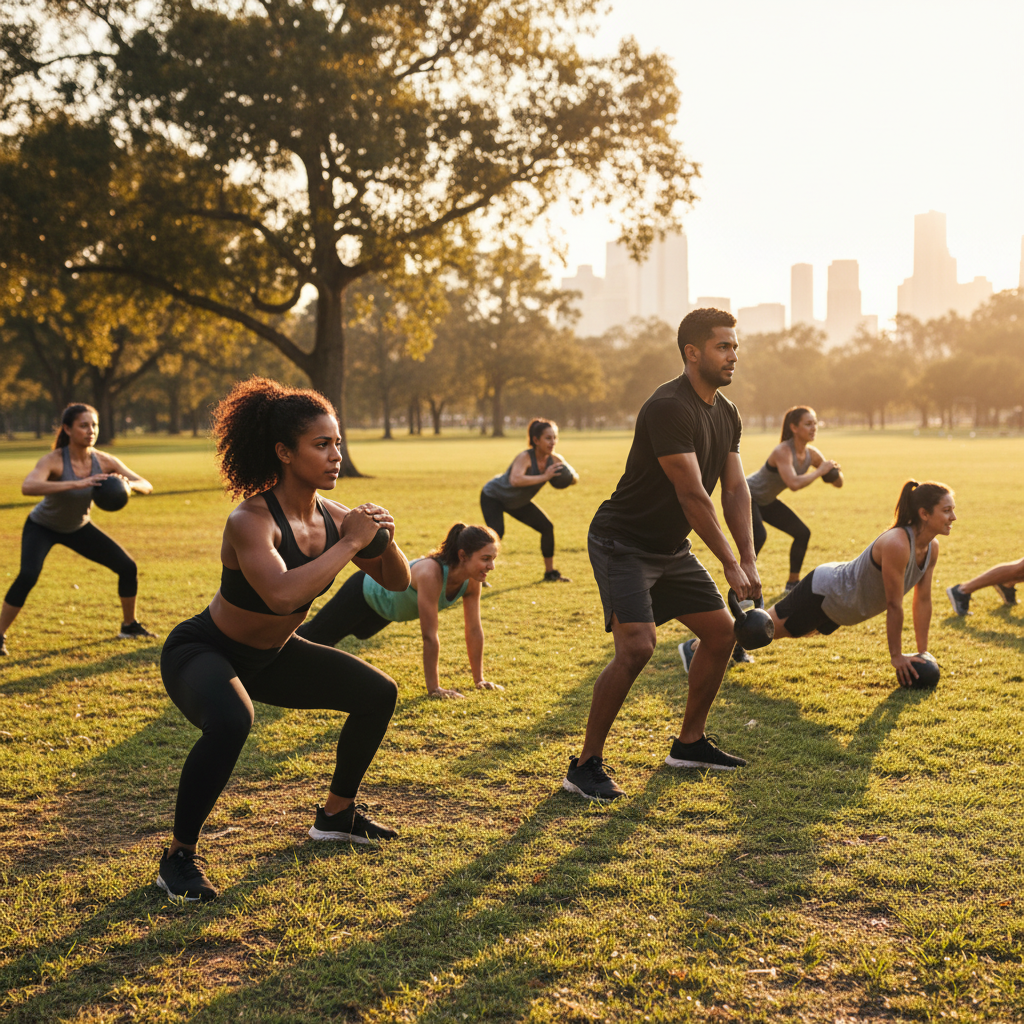
One of the most appealing aspects of functional fitness is its accessibility and adaptability for people of all ages and fitness levels. Whether you prefer using simple equipment like kettlebells, resistance bands, or just your own body weight, functional workouts can be tailored to match your current capabilities and goals. The variety of exercises—from squats and lunges to push-ups and medicine ball throws—keeps routines fresh and engaging. Community-driven environments, both in-person and online, foster motivation and accountability, making it easier to stay consistent and committed to your fitness journey.
To begin your functional fitness journey, start by assessing your current fitness level and setting clear, achievable goals based on your day-to-day life needs. Designing a balanced workout plan that blends strength, cardio, and flexibility exercises will help you progress safely and effectively. Don’t forget to include warm-up and cool-down phases to prepare your body and aid recovery. Utilizing instructional resources, such as online videos or local classes, can ensure proper technique and minimize injury risk. Gradually increase intensity through additional repetitions or added weight as you grow stronger and more confident.
Consistency and mindful progression are crucial for maximizing the benefits of functional fitness. Celebrate small victories like improved posture, easier stair climbing, or less fatigue during daily tasks to keep motivation high. Remember, functional fitness is not just a workout—it’s an investment in your overall health, independence, and quality of life. If you want to dive deeper into creating effective routines or explore more exercises, consider looking into expert guides and resources tailored to functional training principles.
Embrace the powerful possibility of functional fitness workouts to transform how you move and feel every day. With dedication, proper guidance, and a willingness to engage in purposeful movements, you’ll cultivate a stronger body and sharper mind that serve you well beyond the gym. Start today and enjoy the journey to a healthier, more capable you.