Table of Contents
Introduction
Let’s be honest—thinking about starting a fitness routine can feel pretty intimidating. Where do you even begin? How do you stay motivated when Netflix is calling your name? Here’s the thing: you’re not alone in feeling this way. Whether you want to get healthier, build some muscle, or just have more energy to keep up with your kids, fitness challenges might be exactly what you need to kickstart your journey.
Think of fitness challenges as your personal training wheels. They’re everywhere these days, and for good reason—they work. Instead of diving headfirst into some crazy workout routine that’ll leave you sore and discouraged, challenges give you bite-sized goals that actually feel doable. You build momentum one day at a time, and before you know it, you’ve developed habits that stick around long after the challenge ends.
Now, here’s something cool: you don’t need to torture yourself with burpees and mountain climbers (unless that’s your thing). Some of the most effective workouts are functional fitness workouts that basically teach your body to handle real-life stuff better. You know—picking up groceries, playing with your dog, or moving furniture without throwing out your back. When you weave these movements into a challenge format, you’re not just getting fitter; you’re preparing your body for actual life.
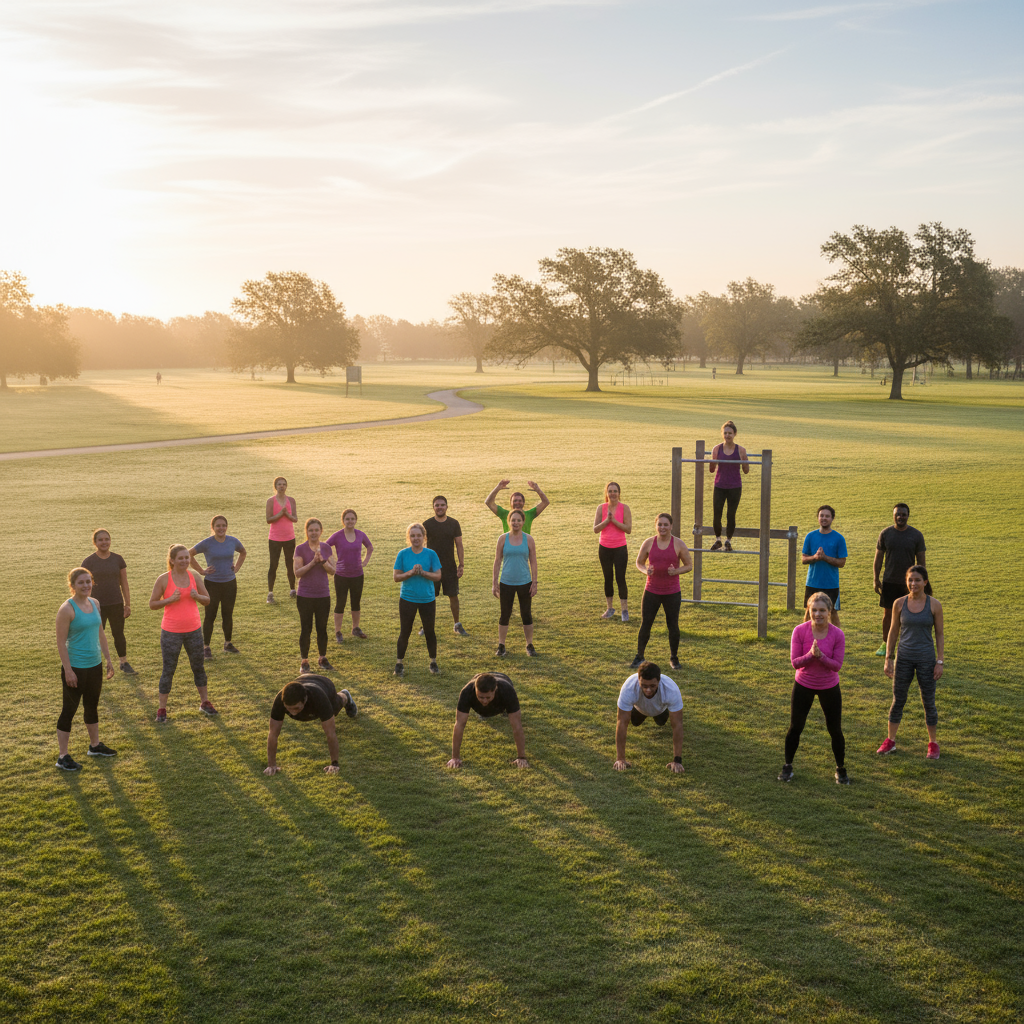
But wait—there’s more to this than just getting physically stronger. Ever notice how much better you feel after a good workout? That’s not just in your head. Exercise genuinely helps dial down anxiety and stress while boosting your mood. And if you really want to maximize these benefits, combining your workouts with solid stress management techniques is like hitting the jackpot for your mental health. Plus, when you join a challenge, you’re suddenly part of a community—and having people cheer you on makes all the difference.
What You’ll Learn in This Guide
We’re going to walk through everything you need to know about fitness challenges, especially if you’re just starting out or getting back into the swing of things. By the time you’re done reading, you’ll have a clear roadmap to begin your first challenge with confidence.
- Understanding the Basics of Fitness Challenges: We explain what fitness challenges are, how they work, and why they are an effective tool for beginners to stay motivated and committed to exercising regularly.
- Popular Beginners’ Fitness Challenges: Discover easy and approachable challenges such as the 30-day walking challenge, beginner bodyweight exercises, and plank holding progressions designed to build stamina and strength gradually.
- Benefits of Joining a Challenge: Explore the various physical, mental, and social advantages that come with participating in fitness challenges, helping you understand the value beyond just exercise.
- Tips for Success and When to Seek Professional Help: Learn how to choose the right challenge based on your fitness level and interests, track your progress effectively, stay motivated, and know when consulting a fitness professional or doctor is necessary for safe practice.
As we dive deeper, you’ll discover practical ways to choose challenges that actually fit your life—not some idealized version of yourself that wakes up at 5 AM every day. We’ll also help you sidestep the common mistakes that trip up beginners and show you how to build the kind of consistency that leads to real results.
Coming up, we’ll break down some fantastic beginner-friendly challenges that anyone can tackle. Take the 30-day walking challenge—it’s brilliant because it focuses on showing up consistently rather than pushing yourself to exhaustion. Then there’s the bodyweight challenge, which introduces you to the fundamental moves (squats, push-ups, lunges) that form the backbone of strength training. No gym required. And the plank challenge? It’s perfect for building that core strength that supports everything else you do.
We’ll also cover the nitty-gritty stuff: how to honestly assess where you’re starting from, set goals that won’t overwhelm you, and pick challenges that you’ll actually enjoy (because if it’s not at least a little fun, you won’t stick with it). You’ll learn smart ways to track your progress, find your people for support, and most importantly, how to listen to your body and adjust when needed. Ready to take that first step toward a stronger, healthier you? Let’s do this together!

So you’re ready to take the next step? Perfect. Let’s talk about fitness challenges—specifically the ones designed for people just like you who are starting their fitness journey. Here’s what I love about these challenges: they turn what could feel like a mountain to climb into a fun, manageable game. Instead of staring at some overwhelming fitness plan, you get clear daily goals that actually make sense.
Understanding Fitness Challenges and Their Role in Motivation
Think of fitness challenges as your personal trainer, but without the intimidation factor. They’re basically structured activities with specific goals and timeframes—usually lasting a few weeks to a month—that give you daily tasks to complete. The magic happens because these tasks start small and gradually get a bit more challenging. No overwhelming workouts that leave you questioning your life choices.
What makes these challenges brilliant for beginners? They break everything down into bite-sized pieces. You’re not thinking “I need to get fit”—you’re thinking “I need to do today’s challenge.” That’s a completely different mindset. The daily wins add up, and before you know it, you’re actually looking forward to your next workout. For a deeper dive into the types of exercises often included in these challenges, check out functional fitness workouts, which focus on movements that actually help you in real life.
Here’s something interesting: the motivation doesn’t just come from the exercise itself. It comes from the progress you can actually see and measure. Completed another day? Check. Walked more steps than yesterday? Win. Built a streak you don’t want to break? That’s powerful stuff right there. Plus, many of these challenges come with communities where people share their wins and struggles—and honestly, knowing you’re not alone in this makes all the difference. If you’re curious about how fitness benefits different groups, this guide on fitness for various demographics shows just how adaptable these approaches can be.
Key Components of Fitness Challenges for Beginners
Now, what actually makes a fitness challenge work for beginners? There are four key ingredients that separate the great challenges from the ones that leave you frustrated:
- Clear and Manageable Daily Goals: Forget vague advice like “exercise more.” Good challenges give you specific targets—walk 5,000 steps, do 10 push-ups, hold a plank for 30 seconds. These aren’t random numbers; they’re stepping stones that build your confidence one day at a time.
- Progressive Difficulty: Smart challenges don’t throw you in the deep end. They start where you are and gradually ask for a little more. Maybe it’s 5 extra steps or 5 more seconds of planking. Your body adapts without feeling shocked, and you avoid that “I can’t do this” moment that derails so many people.
- Engagement Through Variety: Let’s be real—doing the same thing every day gets boring fast. The best challenges mix things up with walking, bodyweight exercises, stretching, or core work. Your body stays engaged, different muscles get attention, and your brain doesn’t check out from boredom.
- Motivational Support Structures: This is where the magic often happens. Whether it’s an online group, a buddy system, or just sharing your progress on social media, having that support network can be the difference between giving up after day three and finishing strong.
Once you understand these building blocks, choosing the right challenge becomes much easier. You’ll know what to look for and what questions to ask yourself before committing.
Popular Fitness Challenges Suitable for Beginners
Ready to get specific? Let’s talk about the challenges that beginners actually stick with and see results from. The big three that consistently work are the 30-Day Walking Challenge, Beginner Bodyweight Exercises Challenge, and the Plank Challenge. Each one tackles fitness from a different angle, so you can pick based on what appeals to you most—or what feels least intimidating right now.
The beauty of these challenges? You don’t need a gym membership, expensive equipment, or even much time. Most can be done at home, and many fit into busy schedules better than traditional workout routines. If you want more options for home-based fitness, these home workout plans provide excellent complementary resources that work hand-in-hand with challenge-based approaches.
Popular Fitness Challenge Formats for Beginners
Here’s the breakdown of the most popular beginner challenges, along with why they work so well:
- 30-Day Walking Challenge: This one’s as simple as it sounds—walk a certain number of steps each day, gradually increasing your target. No special skills required, no equipment needed, and you can do it anywhere. It builds your cardio foundation and creates a sustainable habit that most people can maintain long-term.
- Beginner Bodyweight Exercises Challenge: Think squats, push-ups (even modified ones), and lunges—movements your body was designed to do. These challenges typically start with just a few reps and build up gradually. You’re strengthening muscles you use in everyday life, which means real-world benefits beyond just looking good.
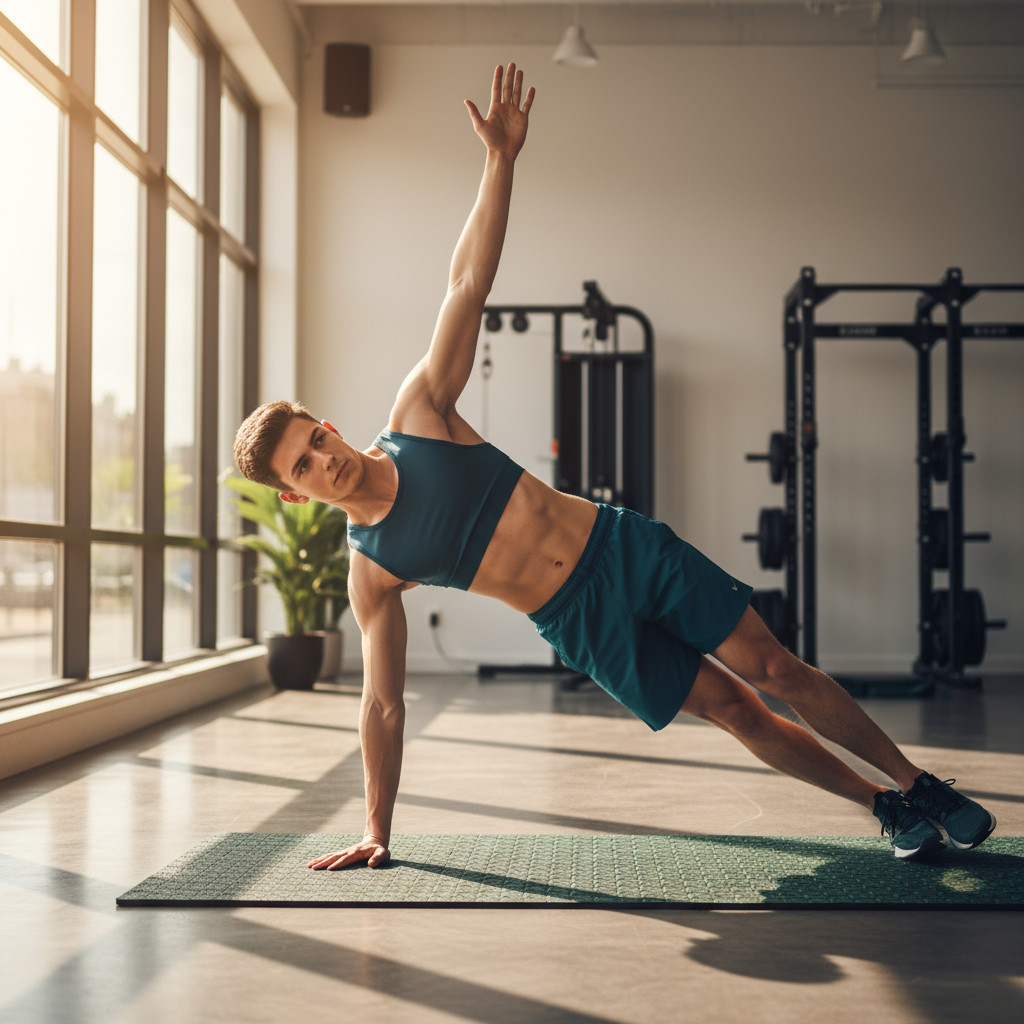
- Plank Challenge: Core strength in its simplest form. Start with holding a plank for 20 seconds, add a few seconds each day, and watch your entire midsection get stronger. Strong core equals better posture, less back pain, and feeling more stable in everything you do.
- Combination and Variety: Can’t choose just one? Many people mix and match these challenges or rotate between them. Some weeks focus on walking, others on strength. The key is finding a rhythm that keeps you engaged without overwhelming your schedule or recovery capacity.
Now that you know what’s out there, the next step is figuring out which challenge fits your life, your goals, and your current fitness level. Because the best challenge isn’t necessarily the most popular one—it’s the one you’ll actually complete.
Here’s the truth about fitness challenges—they’re probably one of the smartest ways to ease into exercise, especially if you’re feeling intimidated by all those intense workout routines out there. Think about it: instead of diving headfirst into something overwhelming, you’re breaking everything down into bite-sized daily tasks that actually feel doable. A 30-day walking challenge? Totally manageable. Learning to hold a plank for longer each day? You’ve got this. The beauty is in how these small wins start stacking up, creating real momentum that sticks around long after the challenge ends.
But the benefits go way beyond just getting stronger or more flexible. (Though those are pretty great too.) When you start moving regularly, your stress levels drop. Your mood improves. Those natural endorphins kick in and suddenly you’re feeling better about everything. And here’s something you might not expect—the social side of challenges can be a total game-changer. Whether you’re sharing progress with friends or joining an online community, having people cheer you on makes all the difference. Sometimes that encouragement is exactly what you need to keep going when motivation dips.
Ready to jump in? Start by taking an honest look at where you’re at right now. No judgment—just awareness. Then pick something that genuinely interests you and feels achievable. Maybe it’s committing to a daily walk around the block, or trying some basic bodyweight exercises in your living room. Keep it simple at first. If you want more structure and variety, check out these home workout plans that work perfectly alongside any challenge format. And definitely track your progress—whether that’s through an app, a journal, or just checking off days on a calendar. Trust me, seeing those wins add up is incredibly motivating.
As you get more comfortable with regular movement, you might want to explore functional fitness workouts that focus on movements you actually use in real life. (Because being able to carry groceries up the stairs without getting winded? That’s the good stuff.) And if you’re juggling fitness goals with a busy, stressful life—which, let’s be honest, most of us are—learning some solid stress management techniques can round out your wellness approach beautifully.
So here’s where you stand: fitness challenges aren’t just effective—they’re actually enjoyable. You’ve got the information, the resources, and hopefully some excitement about what’s possible. The secret sauce? Consistency and listening to what your body tells you. Celebrate every small win along the way because each one is building toward something bigger. Don’t wait for Monday or next month or when you “have more time.” Start today, and get ready for some pretty amazing changes.
Frequently Asked Questions
-
How long should a beginner’s fitness challenge last?
- Typically, 30 days is a practical timeframe that provides enough structure to build habits without feeling overwhelming.
-
What if I miss a day during a challenge?
- Missing a day is normal and not a failure. Simply resume where you left off without guilt to maintain momentum.
-
Can fitness challenges help with weight loss?
- Yes, fitness challenges encourage regular activity and healthy habits that can contribute positively to weight loss goals.
-
Do I need special equipment for beginner challenges?
- Most beginner fitness challenges use bodyweight exercises or simple activities that require minimal to no equipment.
-
Should I consult a doctor before starting a fitness challenge?
- Consulting your healthcare provider is advisable if you have existing health conditions or concerns to ensure safety during your fitness journey.