
Let’s be real—starting a fitness journey can feel overwhelming. You’re scrolling through social media, seeing people with six-packs and wondering if you’ll ever get there. The truth? Most of those transformations didn’t happen overnight, and they definitely didn’t happen by following some magic formula. What actually works is consistency, smart training, and understanding what your body needs. That’s what we’re diving into today.
Whether you’re brand new to the gym or you’ve been training for years, the fundamentals matter. You need a solid plan, proper form, and the mental toughness to show up even when motivation is low. The good news? You don’t need to be perfect. You just need to be intentional.
Building Your Foundation: The Core Principles of Effective Training
Before you even think about which exercises to do, you need to understand the fundamentals. A solid training foundation is built on three pillars: consistency, progressive challenge, and proper form. These aren’t sexy or Instagram-worthy, but they’re the difference between someone who gets results and someone who just looks busy at the gym.
Consistency means showing up regularly—not perfectly, but regularly. Three solid workouts per week beats five mediocre ones. It’s about building a habit that sticks, and that only happens when you’re realistic about what you can actually maintain. If you hate running, don’t force yourself to run. If you love lifting, lean into that. Your best workout is the one you’ll actually do.
When you’re starting out, focus on compound movements. These are exercises that work multiple muscle groups at once: squats, deadlifts, bench presses, rows, and overhead presses. They’re efficient, they build functional strength, and they create the hormonal response your body needs for growth. If you’re unsure about form, check out our guide on mastering proper exercise technique or consider working with a coach initially.
The principle of progressive overload is non-negotiable. Your muscles adapt quickly, so you need to gradually increase the challenge. That might mean adding weight, doing more reps, or reducing rest periods. Without progression, you plateau—and plateaus are where progress goes to die.
Progressive Overload and Why It Actually Matters
Progressive overload isn’t complicated, but it’s where most people get stuck. Basically, you need to do more over time. More weight, more reps, more volume, more intensity—something has to increase, or your body stops adapting.
Here’s the thing though: it doesn’t have to be dramatic. Adding five pounds to your lift or squeezing out one extra rep counts. These small increments compound over weeks and months. Six months from now, you won’t recognize what you’re capable of lifting compared to today. That’s the power of progressive overload.
Track your workouts. Seriously. You don’t need a fancy app (though they’re helpful). Even jotting down sets, reps, and weight in your phone’s notes app works. When you know exactly what you did last week, you can intentionally do more this week. It’s that simple, and that effective.
Many people make the mistake of ego lifting—jumping to heavy weight before they’re ready. That’s how you get injured. Progressive overload means respecting the process. You’re building strength, not proving anything to anyone. The person in the gym who matters is you, and you know whether you’re actually pushing or just going through the motions.
If you want to understand the science behind muscle adaptation, the American College of Sports Medicine has excellent resources on how muscles respond to training stimulus.
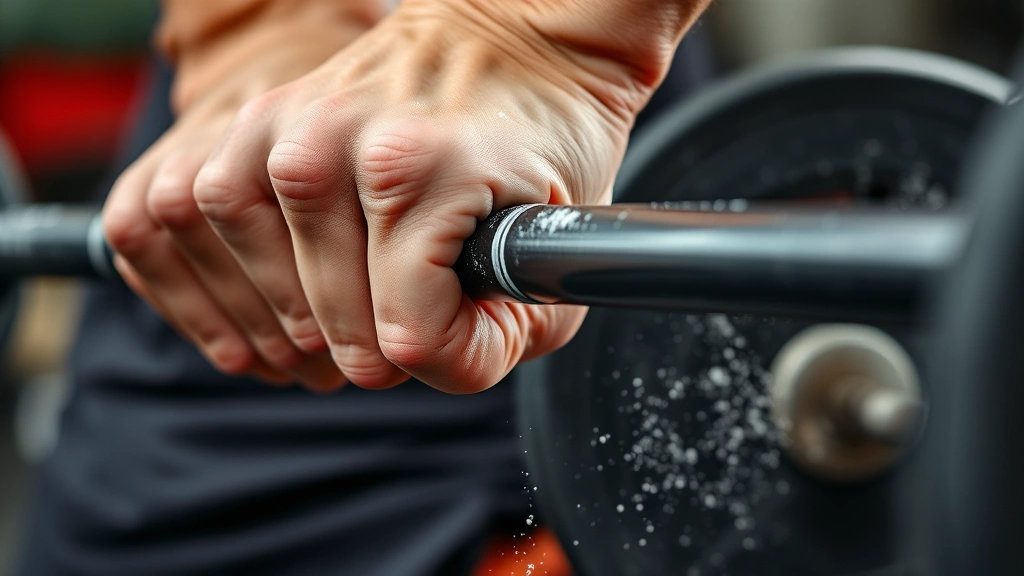
” alt=”Person performing a compound lift with proper form in a well-equipped gym, showing muscle engagement and controlled movement during a strength training session.”>
Nutrition: Fueling Your Workouts and Recovery
You can’t out-train a bad diet. I know you’ve heard this before, but it bears repeating because so many people ignore it. Training is the stimulus, but nutrition is where the actual growth happens. Your muscles repair and rebuild during recovery, and they need proper fuel to do that.
You don’t need to be obsessive about macros, but you do need to understand the basics. Protein is essential—it’s the building block of muscle tissue. Aim for roughly 0.7 to 1 gram per pound of body weight daily. That sounds like a lot, but it’s doable with intentional eating: chicken, fish, eggs, Greek yogurt, cottage cheese, legumes, and protein powder all count.
Carbs aren’t the enemy. They’re your energy source, especially for intense training. They replenish glycogen stores in your muscles, which means better performance and better recovery. Focus on whole grains, oats, rice, sweet potatoes, and fruit. Time them around your workouts for maximum benefit.
Fats are crucial for hormone production and overall health. Include healthy sources like olive oil, avocados, nuts, and fatty fish. Don’t fear fat—your body needs it.
Hydration matters too. You lose water during training, and even mild dehydration tanks your performance. Drink consistently throughout the day, not just during workouts. A general rule: drink enough that your urine is light yellow. If it’s dark, you need more water.
For detailed nutrition guidance tailored to fitness goals, the National Academy of Sports Medicine offers evidence-based nutrition information for athletes and fitness enthusiasts.
The Role of Rest and Recovery
Here’s where people mess up: they think more training equals faster results. It doesn’t. Your muscles don’t grow during the workout—they grow during recovery. The workout is just the signal telling your body to adapt.
Sleep is non-negotiable. Aim for seven to nine hours nightly. This is when your body releases growth hormone, repairs muscle tissue, and consolidates the neural adaptations from training. If you’re not sleeping, you’re not recovering, and you’re not progressing. Period.
Rest days aren’t lazy. They’re productive. Your nervous system needs to recover just as much as your muscles do. Constant high-intensity training without adequate recovery leads to overtraining syndrome—burnout, illness, injury, and performance decline. That’s the opposite of what you want.
Active recovery is great too. On rest days, go for a walk, do some light stretching, swim, or do yoga. Movement without intensity aids blood flow and recovery without taxing your system. It’s the middle ground between total inactivity and hard training.
Nutrition during recovery is crucial. Within a couple hours of training, eat protein and carbs. This kickstarts muscle protein synthesis and replenishes glycogen. You don’t need some magical post-workout window, but eating something sensible after training is smart.
Check out our article on optimizing your recovery routine for more detailed strategies and learn about how sleep impacts your fitness progress.
Common Mistakes That Hold You Back
Let’s talk about what actually stops people from getting results. It’s rarely a secret—it’s usually one of these common mistakes.
Doing too much too soon: You’re excited, you hit the gym hard, and then your body is destroyed for a week. You skip workouts because you’re sore and unmotivated. Start conservatively. You can always add more, but recovering from injury takes months. Patience wins.
Inconsistency: Jumping between programs every two weeks, missing workouts, taking long breaks—this kills progress. Commit to a plan for at least 8-12 weeks. Give it time to work. Your body needs consistency to adapt.
Ignoring form for weight: Loading up the bar and doing half-reps with terrible form doesn’t build muscle effectively. It just builds bad habits and injury risk. Check out our guide on exercise form fundamentals and consider filming yourself or asking experienced lifters for feedback.
Not eating enough: You can’t build muscle in a caloric deficit (well, not efficiently). If you’re training hard, you need to eat. This doesn’t mean junk food, but you do need adequate calories and protein.
Comparing your beginning to someone else’s middle: This might be the biggest one. That person who looks amazing? They’ve been training for years. You’re not supposed to look like them yet. You’re supposed to look better than you did last month, and you should focus on that.
Neglecting mobility and flexibility: Tight muscles limit your range of motion, which limits your gains and increases injury risk. Spend 5-10 minutes daily stretching and mobilizing. It matters.

” alt=”Diverse group of people of different ages and fitness levels exercising together in a gym, showing encouragement and community support during training.”>
Creating a Sustainable Long-Term Plan
Here’s the truth nobody wants to hear: this is a lifelong thing. There’s no finish line where you’re “done” with fitness. The good news? Once you build the habit, it becomes part of your identity. It stops being something you have to do and becomes something you want to do.
Design a program you actually enjoy. If you hate the gym, try CrossFit, martial arts, swimming, or cycling. If you hate cardio, build your program around strength training. Sustainability beats optimization every single time. A program you’ll stick with for years beats the “perfect” program you’ll quit in three months.
Set realistic goals. Not “get abs in 30 days”—that’s not realistic for most people. Think bigger picture: “get stronger,” “build muscle,” “improve my conditioning,” “feel better.” These are sustainable goals that drive real change.
Track progress beyond the scale. Take photos monthly, measure body parts, track your lifts, notice how clothes fit. The scale fluctuates based on water, food, hormones, and a dozen other factors. It’s one data point, not the whole picture.
Build community. Training with others is motivating and keeps you accountable. Find a gym buddy, join a class, or connect with online communities. You’re less likely to skip workouts when people are counting on you.
Understand that progress isn’t linear. Some weeks you’ll feel strong and crush your workouts. Other weeks you’ll feel flat and weak. That’s normal. The trend over months and years is what matters, not individual workouts.
For creating science-backed training plans, the American Council on Exercise provides excellent resources and certifications for fitness professionals who can help you design sustainable programs.
Remember, you’re not trying to be perfect. You’re trying to be consistent, intentional, and patient. Those three things, applied over time, create remarkable transformations. Not the kind that happen in 12 weeks for Instagram, but the kind that last a lifetime because they’re built on real principles and sustainable habits.
FAQ
How often should I train per week?
For most people, three to five workouts per week is ideal. This gives you enough stimulus for progress while allowing adequate recovery. More isn’t always better—consistency and quality matter more than quantity.
Do I need to go to a gym, or can I train at home?
Either works. The gym offers equipment variety and community, but home training is convenient and cost-effective. The best option is whichever one you’ll actually do consistently. Many people combine both—home workouts during busy weeks and gym sessions when they have time.
How long before I see results?
You’ll feel stronger within 2-3 weeks. Visible muscle changes typically take 6-8 weeks of consistent training and proper nutrition. Body composition changes take longer. Patience is part of the process.
Should I do cardio and strength training?
Yes, ideally. Strength training builds muscle and bone density. Cardio improves heart health and conditioning. You don’t need hours of cardio—20-30 minutes of moderate intensity a few times weekly is solid. Learn more about balancing cardio and strength training.
What if I’m sore after my first few workouts?
That’s normal—it’s called DOMS (Delayed Onset Muscle Soreness). It’s not a sign you damaged yourself; it’s a sign your muscles aren’t used to the stimulus. It’ll decrease as your body adapts. Light movement, stretching, and proper nutrition help manage soreness.
Can I build muscle while losing fat?
Yes, especially if you’re new to training or returning after a break. It’s called “body recomposition.” Eat adequate protein, train with progressive overload, and be patient. The scale might not change, but your body will transform. For more on this, check our article about achieving body recomposition.


