Table of Contents
Introduction
Here’s something that might surprise you: cycling isn’t just about getting from point A to point B anymore. Sure, it started that way, but somewhere along the line, it became something much bigger—a fitness powerhouse that’s quietly transforming lives everywhere. Picture this: you’re cruising through your neighborhood, wind in your hair, actually enjoying yourself, and your body is getting an incredible workout without you even realizing it. That’s the magic of cycling.
Fitness enthusiasts everywhere have caught on to what cyclists have known for years—this is one of the smartest ways to get in shape. Why? It’s gentle on your joints (your knees will thank you), but tough enough to give your heart and muscles a real challenge. Whether you’re just starting your fitness journey or you’re already crushing it at the gym, cycling fits right in. And if you’re wondering where to begin, checking out how to start a fitness routine or diving into some fitness challenges for beginners can give you that extra push to get rolling.
But wait—there’s more to this story. (And I’m not talking about some late-night infomercial here.) The mental health benefits? They’re real, and they’re spectacular. You know that feeling when you’re stressed out of your mind, and then something just… clicks? That’s your brain on cycling. Those endorphins flooding your system, washing away the day’s frustrations. It’s like hitting a reset button for your mood. The research on mental health and exercise benefits backs this up—cycling doesn’t just work your body, it works wonders for your mind too.
And here’s something cool: every time you pedal, you’re giving your lungs a workout too. Think of it like cross-training for your respiratory system. Better lung function means more oxygen flowing through your body, which translates to more energy throughout your day. (Who couldn’t use more of that?) If you’re curious about boosting your breathing game even further, there’s some solid advice on how to improve lung capacity. Pair that with smart eating—like the strategies outlined in nutrition for athletes—and you’ve got yourself a recipe for feeling amazing.
What You’ll Learn in This Guide
Ready to discover why cycling might just be the best decision you make for your health this year? This guide breaks down everything you need to know about turning those wheels into your personal wellness machine.
- Physical Health Benefits: Learn how cycling improves cardiovascular fitness, muscle strength, and endurance. Discover why it’s an effective full-body workout that suits various fitness levels.
- Mental Health Advantages: Understand how cycling helps reduce stress, enhance mood, and improve cognitive function, leading to overall better mental wellness.
- Getting Started and Staying Motivated: Find tips on how to begin your cycling journey with confidence, including advice on setting goals and maintaining consistency for lasting success.
- Maximizing Your Workouts: Explore techniques such as varying intensity and incorporating functional training to get the most out of each ride.
The best part? Cycling grows with you. Start with a gentle ride around the block, and before you know it, you’ll be tackling hills that once seemed impossible. We’ll dig into the real benefits, share some game-changing techniques, and cover the safety stuff that matters. Plus, if you want to round out your fitness routine, exploring functional fitness workouts can add that extra strength and balance training that makes every ride even better.
What I love most about cycling is how welcoming it is. Doesn’t matter if you haven’t been on a bike since you were twelve, or if you’re already running marathons—there’s a place for you here. Start small, build gradually, and watch what happens. The trick is staying motivated (we’ve all been there), and that’s where understanding how to stay motivated to exercise becomes your secret weapon for keeping those wheels turning toward your goals.
And here’s the cherry on top: you’re not just doing your body a favor—you’re helping the planet too. Whether you’re exploring new trails, commuting to work, or joining that local cycling group you’ve been thinking about, you’re opening doors to experiences you never expected. Ready to see how cycling can change everything? Let’s ride.
Now that we’ve covered the basics of cycling as a fitness powerhouse, let’s dig into what really makes this activity special. We’re talking about benefits that go way beyond just getting your heart pumping—though that’s definitely part of it. Cycling works for pretty much everyone, whether you’re just starting your fitness journey or you’re already crushing your workout goals. You’ll get stronger, feel better, and yes, you might even shed some pounds along the way. But here’s what really gets me excited: cycling doesn’t just transform your body. It works magic on your mind too, melting away stress and sharpening your focus in ways that might surprise you. So let’s break down exactly how cycling can become your secret weapon for both physical and mental fitness—plus some smart strategies to make every ride count.
Physical Health Benefits of Cycling
Here’s the thing about cycling: it’s basically a cardiovascular party your heart actually enjoys. Unlike some exercises that feel like punishment, cycling gets your blood flowing in the best possible way. Your heart starts working more efficiently, your lungs get stronger, and before you know it, you’re climbing stairs without getting winded. (Trust me, that moment when you realize you can sprint up three flights of stairs? Pure gold.)
But wait—there’s more happening under the hood. Every time you pedal, you’re firing up some serious muscle groups. Your quads and hamstrings are doing the heavy lifting, your glutes are getting activated, and your core is working overtime to keep you balanced. It’s like getting a full lower-body workout without even thinking about it. And because you’re building lean muscle while torching calories, cycling becomes this perfect storm for weight management. Your metabolism gets a boost, your joints stay happy (hello, low-impact exercise!), and you’re setting yourself up for long-term health wins.
Key Aspects of Physical Health Benefits
Let’s break down the heavy hitters when it comes to cycling’s physical perks. These are the game-changers you can expect:
- Cardiovascular Fitness: Think of your heart as a muscle that gets stronger with training. Cycling gives it that perfect workout—steady, consistent, and sustainable. You’ll build stamina that carries over into everything else you do, while cutting your risk of heart disease and high blood pressure.
- Muscle Strength and Tone: You’re not just building bigger muscles—you’re building smarter ones. Stronger legs, a more stable core, and better balance all add up to moving through life with more confidence. Plus, as we age, this strength becomes our insurance policy against falls and injuries.
- Weight Management: Cycling burns serious calories, and it does it efficiently. Pair it with smart eating choices, and you’ve got a sustainable way to reach and maintain a healthy weight. No crash diets, no extreme measures—just consistent, enjoyable exercise.
- Joint-Friendly Exercise: Got cranky knees or achy hips? Cycling’s got your back. It gives you all the benefits of exercise without beating up your joints. That means you can stay active even when other workouts feel off the table.
These physical benefits are impressive on their own, but they’re just part of cycling’s story. Because here’s where things get really interesting—what cycling does for your mind might be even more powerful than what it does for your body.
Mental Health Benefits of Cycling
Ever notice how a good bike ride can completely flip your mood? There’s actual science behind that feeling. When you cycle, your brain releases endorphins—nature’s own happiness chemicals. It’s like having a built-in pharmacy that specializes in making you feel amazing. And unlike that third cup of coffee or that stress-eating session, this mood boost actually makes you healthier.
But the mental benefits don’t stop at feeling good in the moment. Cycling helps reset your sleep patterns, especially if you’ve been tossing and turning lately. There’s something about the physical tiredness from a good ride that helps you drift off naturally and sleep more deeply. Better sleep means better everything—more energy, sharper focus, and way more patience for life’s daily challenges. And speaking of focus, cycling increases blood flow to your brain, which is like giving your cognitive function a tune-up. Better memory, quicker thinking, clearer decision-making—it’s all connected.
Key Aspects of Mental Health Benefits
The mental health perks of cycling work on multiple levels. Here’s what you can expect:
- Stress Reduction: Cycling literally changes your brain chemistry for the better. Those endorphins we talked about? They’re stress-busters in disguise. Plus, the rhythmic nature of pedaling has this almost meditative quality that helps quiet racing thoughts.
- Improved Sleep: Your body’s internal clock loves routine, and cycling helps establish that rhythm. Physical tiredness from exercise leads to deeper, more restful sleep—and better sleep makes everything else in life easier to handle.
- Cognitive Benefits: More blood flow to the brain equals better brain performance. You’ll notice improvements in memory, concentration, and problem-solving. It’s like upgrading your mental operating system.
- Connection and Mood Enhancement: Whether you’re riding solo and enjoying nature or cycling with friends, you’re feeding your social and emotional needs. Fresh air, sunshine, and maybe some good company? That’s a recipe for mental wellness right there.
When you put it all together—the physical strength, the mental clarity, the stress relief, the better sleep—cycling becomes so much more than just exercise. It’s a complete system for feeling your best, inside and out. And the best part? You don’t need to be a professional athlete to get these benefits. You just need to hop on a bike and start pedaling.

Here’s the thing about cycling—it’s one of those rare activities that actually delivers on all its promises. Your heart gets stronger, your legs get more powerful, and somehow you feel better about everything. The physical benefits? They’re real. Your cardiovascular system thanks you, your core gets engaged (even when you’re not thinking about it), and those calories start disappearing. But here’s what I love most: unlike running on concrete or jumping around in high-impact classes, cycling is gentle on your joints. That means you can keep doing it for decades.
And let’s talk about what happens in your head. You know that feeling when you’re pedaling and your mind just… clears? That’s not your imagination. The rhythm of cycling actually triggers endorphin release—nature’s own mood booster. Plus, if you’re cycling outdoors (which I highly recommend), you’re getting natural light that helps reset your sleep cycle. Better sleep equals better everything else.
Want to know the secret to making cycling work for you long-term? It’s all about finding your rhythm and building from there. Maybe you start with gentle neighborhood rides. Perfect. Or perhaps you’re ready to tackle some hills and intervals. Also perfect. The beauty of cycling is that it grows with you. Beginners can cruise at their own pace, while seasoned riders can push limits and chase personal records. Every ride teaches you something new about what your body can do.
Now, let’s get practical about maximizing your cycling experience. First, your posture matters more than you think—a good bike fit prevents those nagging aches that can derail your progress. (Trust me, I learned this the hard way.) If you want to boost your cardiovascular fitness quickly, try mixing in some interval training. Ride hard for a minute, recover for two, repeat. And consistency? That’s your secret weapon. Even 20 minutes three times a week beats one epic weekend ride.
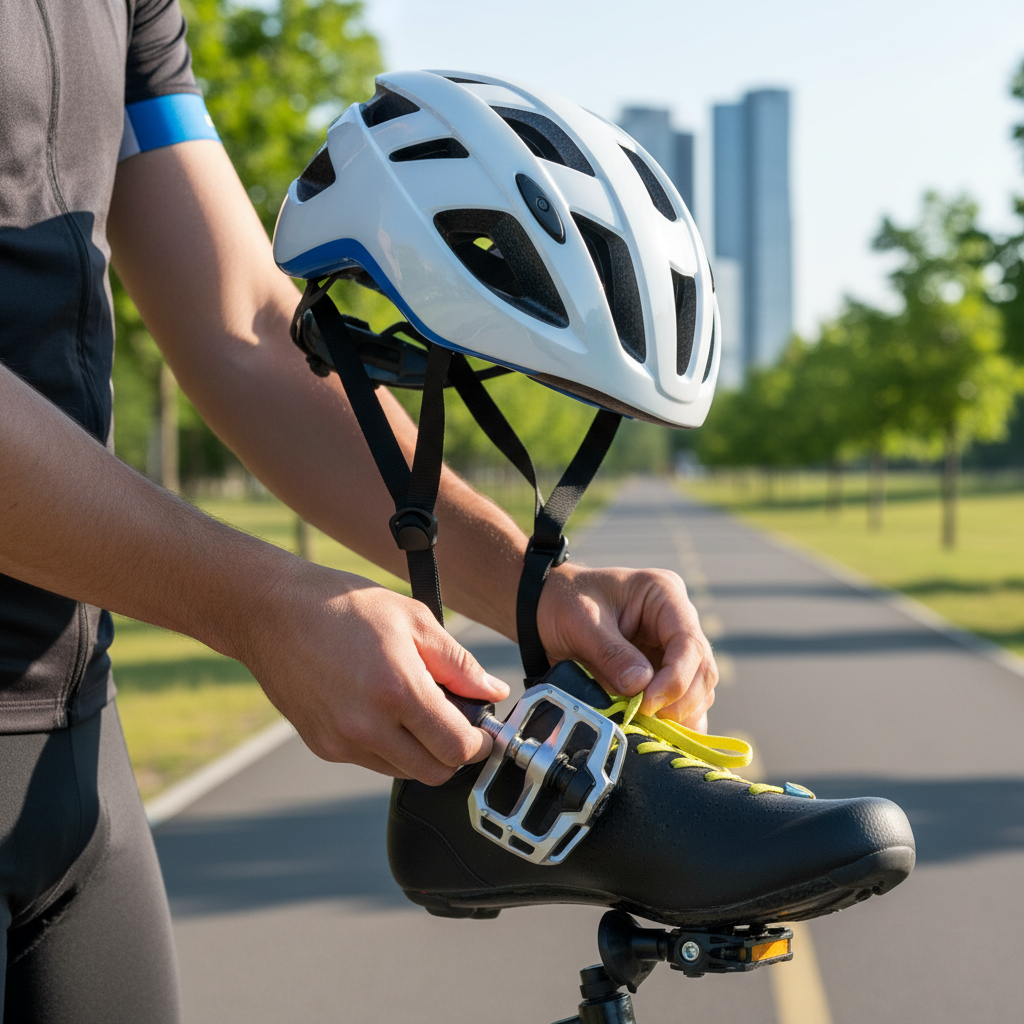
Safety isn’t negotiable, though. Wear your helmet—your brain is irreplaceable. Keep your bike maintained because nothing ruins a good ride like a chain that decides to quit mid-journey. These aren’t fun extras; they’re the foundation that lets you enjoy cycling for years to come.
Ready to actually start? Don’t overthink it. Begin with some beginner-friendly challenges that build both strength and confidence—our fitness challenges for beginners guide breaks this down perfectly. You’ll also want to complement your cycling with exercises that strengthen your whole body. Check out our functional fitness workouts for moves that improve mobility and keep injuries at bay.
If shedding some pounds is part of your plan, cycling is fantastic for that—but pairing it with smart nutrition makes all the difference. Our fitness tips for weight loss show you how to blend cardio, strength training, and eating well without making it complicated. And speaking of nutrition, understanding nutrition for athletes can transform how you fuel your rides and recover afterward.
Look, cycling isn’t just another workout you check off your list. It’s a gateway to feeling genuinely good in your own skin. The physical changes happen, sure—but what really gets people hooked is the mental shift. That confidence you feel after conquering a challenging route? It spills over into everything else.
Motivation will ebb and flow (it happens to all of us), so bookmark our guide on how to stay motivated to exercise. When the initial excitement fades, you’ll have practical strategies to keep moving forward. Remember: you don’t need to be perfect. You just need to be consistent.
The best time to start was yesterday. The second-best time? Right now. Grab your helmet, hop on that bike, and go discover what your body is capable of. Your future self will thank you.
Frequently Asked Questions
-
How often should I cycle for fitness?
- Aim for 3-5 cycling sessions per week, lasting 30-60 minutes each. This gives you the sweet spot for building fitness without burning out.
-
Can cycling help with weight loss?
- Absolutely. Cycling burns serious calories, especially when you mix in some hills or intervals. Pair it with smart eating habits and you’ll see results.
-
Is cycling suitable for all fitness levels?
- That’s the beauty of cycling—it scales with you. Beginners can start with gentle rides, while experienced cyclists can push intensity and distance as much as they want.
-
What should I do if I experience pain while cycling?
- Stop immediately and rest. If the pain continues, see a healthcare professional. Better to take a few days off than deal with a serious injury later.