
Building Sustainable Fitness Habits That Actually Stick
Let’s be real—most people start a fitness journey with fire in their eyes and quit within three weeks. You’ve probably been there. That gym membership you swear you’ll use, the workout plan you downloaded, the supplements you bought because someone on social media said they’re game-changers. Then life happens, motivation fades, and suddenly you’re back where you started.
Here’s the thing though: it doesn’t have to be that way. The difference between people who transform their fitness and those who bounce around from trend to trend isn’t some secret genetic advantage or unlimited willpower. It’s about building habits that actually fit into your real life—not the Instagram version of your life, but the messy, busy, sometimes exhausting reality you’re actually living.
This guide breaks down exactly how to create fitness habits that last, backed by actual science and real-world experience. We’re talking practical strategies, not motivational fluff.
Why Most Fitness Habits Fail (And What You’re Doing Wrong)
You probably started your fitness journey the same way most people do: with a huge goal and zero strategy. “I’m going to work out six days a week and transform my body in 12 weeks.” Sound familiar? That approach fails because it ignores how your brain actually works.
According to research on habit formation, the average habit takes 66 days to stick—but that’s only if you’re consistent. The problem is most people expect instant results and quit when they don’t see them within two weeks.
Another massive failure point? Starting too aggressively. If you’ve been sedentary for months, jumping into intense training five days a week isn’t ambitious—it’s setting yourself up for burnout, injury, or both. Your body needs time to adapt, and your brain needs time to rewire itself around this new behavior.
The third reason habits fail is ignoring your environment. You can’t out-willpower a poorly designed life. If your gym clothes are in a hard-to-reach bin, if your home is full of processed snacks, if your friends always suggest late-night activities that trash your sleep—you’re fighting against yourself.

The Foundation: Understanding How Habits Actually Work
Before you build new fitness habits, you need to understand the habit loop. Every habit has three parts: the cue (what triggers the behavior), the routine (the behavior itself), and the reward (what your brain gets out of it). This framework matters because you can’t just rely on willpower—willpower’s finite and exhausting. You need to build systems.
When you’re working toward setting realistic fitness goals, you’re really designing new habit loops. Maybe your cue is finishing your morning coffee. Your routine becomes a 20-minute workout. Your reward is that endorphin rush and the satisfaction of checking it off before work even starts.
The Mayo Clinic’s framework on habit formation emphasizes that consistency matters more than intensity. A 15-minute walk you actually do every day beats a 60-minute workout you do once a month.
Starting Small (And Why Bigger Isn’t Better)
This is where most people mess up. You’re excited, motivated, ready to change your life—so you commit to an hour at the gym every day. Or you overhaul your entire diet overnight. Or you decide to run a half-marathon when you haven’t run in five years.
Stop. Seriously.
Start with something so small it feels almost silly. If you’re not currently exercising, your first habit isn’t “workout five days a week.” It’s “put on workout clothes after breakfast three days a week.” That’s it. You don’t even have to exercise yet. You’re just building the cue and the routine.
Once that feels automatic—and it will, usually within 2-3 weeks—you add the next layer. Now you put on workout clothes and walk for 10 minutes. Not 30. Not 45. Ten minutes. When that’s solid, you gradually increase.
This approach feels slow, and that’s exactly why it works. Your nervous system adapts gradually. Your schedule can actually accommodate it. Your motivation doesn’t need to be sky-high because you’re not asking much of yourself.
Consider how beginner workout routines should be structured with this principle in mind—they’re designed to build momentum, not exhaust you.
Environment Design: Make It Easier Than Not Doing It
You’ve probably heard this before, but it bears repeating: you’re not lazy or weak-willed if you fail to stick with habits in a poorly designed environment. You’re just human.
Here’s how to redesign your environment to make fitness the easy choice:
- Prepare the night before: Lay out your workout clothes, pack your gym bag, prep your breakfast. Remove friction from the morning decision.
- Make healthy food visible and convenient: Keep cut vegetables at eye level in the fridge. Put fruit in a bowl on the counter. Make junk food inconvenient—if you want it, you have to work for it.
- Schedule workouts like non-negotiable appointments: Put them in your calendar. Tell a friend. Commit publicly (even if it’s just to one person). The social commitment is powerful.
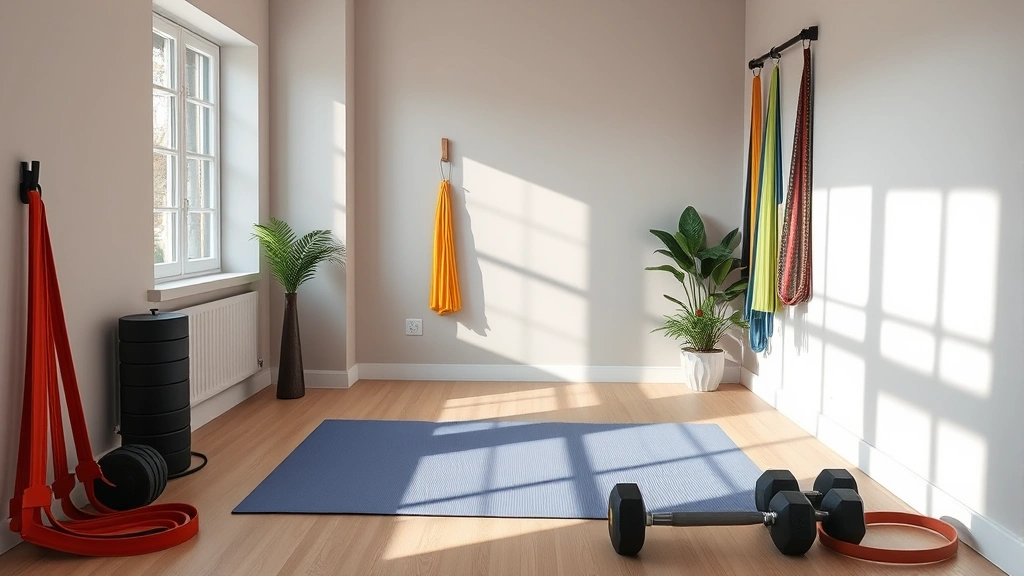
- Create a dedicated space: You don’t need a fancy home gym. A corner with a mat, some dumbbells, and a yoga block is enough. The point is having a space that cues the behavior.
- Remove barriers to movement: Park further away. Take the stairs. Stand while working. These micro-habits add up.
Understanding the principles of progressive overload also matters here—your environment should support gradual increases in difficulty, not sudden jumps.
Consistency Over Perfection: The Real Secret Sauce
One of the most liberating things you can do for your fitness is accept that perfection isn’t the goal. Consistency is.
Miss a workout? Doesn’t matter. You’re building a habit, not training for the Olympics. What matters is that you get back on track the next day. The person who works out four days a week, sometimes three, for a full year beats the person who works out six days a week for three months then quits.
This applies to nutrition too. You don’t need to eat perfectly to see results. You need to eat reasonably well most of the time. If you’re eating well 80% of the time and enjoying food 20% of the time, you’re way more likely to stick with it long-term than if you’re following some restrictive diet.
The research backs this up. Studies on behavior change show that people who expect to be imperfect and plan for it actually succeed more often than perfectionists. You’re not failing if you have a slice of pizza or skip a workout. You’re just being human.
Tracking and Accountability Without Obsession
Tracking can be incredibly motivating—there’s something satisfying about checking off a completed workout or logging your meals. But it can also become obsessive and unhealthy, especially with social media comparison.
Here’s the sweet spot: track in a way that informs your decisions without controlling your life. A simple calendar where you mark off days you exercised works. A notes app where you jot down how you felt. A spreadsheet tracking your weights if you’re strength training. The medium doesn’t matter—consistency does.
For accountability, find one person who actually cares about your progress. Not an internet stranger, not someone who’ll judge you, but someone who’ll check in and genuinely support you. Text your friend after your workout. Tell your partner about your nutrition goal. Join a local group or class where you see the same people regularly.
When you understand effective recovery strategies, you realize that tracking recovery is just as important as tracking workouts—and this accountability keeps you honest about sleep and stress management.
Building Nutrition Habits That Support Your Goals
Fitness habits aren’t just about exercise. In fact, if you’re trying to change your body composition, nutrition habits matter more than workouts.
The same principles apply here: start small, design your environment, focus on consistency.
Instead of overhauling your entire diet, pick one habit to build first. Maybe it’s drinking a glass of water with every meal. Or eating protein with breakfast. Or having vegetables with dinner. One habit, until it’s automatic, then add another.
The cue matters. When you open the fridge, what do you see? If it’s processed snacks, that’s your cue. If it’s vegetables and protein, that’s your cue. You’re not fighting temptation—you’re removing it from the equation.
When you’re combining this with strength training benefits, proper nutrition becomes even more critical—your muscles need fuel to recover and grow.
Recovery and Sleep: The Overlooked Habit Multiplier
Here’s what nobody tells you: recovery is where the actual progress happens. You don’t get stronger during your workout. You get stronger while you sleep, while you rest, while your body rebuilds.
Yet most people obsess over their workouts and completely neglect sleep. That’s backwards.
Building a sleep habit is one of the highest-impact things you can do for your fitness. Aim for consistent sleep and wake times, even on weekends. Dark, cool room. No screens an hour before bed. These aren’t optional—they’re foundational.
When you’re sleeping well and recovering properly, everything else gets easier. Your workouts feel better. Your nutrition choices improve. Your motivation is higher. You’re more likely to stick with your habits because you’re not fighting fatigue.
The American College of Sports Medicine emphasizes that recovery is a fundamental component of any training program, not an afterthought.
Beyond sleep, active recovery matters too. Easy walks, stretching, foam rolling—these aren’t wasting time. They’re building the habit of movement while allowing your body to truly recover.
FAQ
How long does it really take to build a fitness habit?
The research says 66 days on average, but it depends on the habit and the person. Something simple like a daily walk might stick in 3-4 weeks. A complex habit like consistent strength training might take 8-12 weeks. The key is that you’re consistent during that window. Missing days resets the clock.
What if I miss a workout? Am I starting over?
No. One missed workout doesn’t erase your progress or your habit. What matters is getting back on track the next day. If you miss multiple days in a row, you might need to simplify your goal, but a single miss is normal and expected.
Can I build multiple fitness habits at once?
Technically yes, but it’s harder. Most people succeed better by building one habit until it’s solid, then adding another. If you’re ambitious, you can stack two related habits—like adding a 10-minute walk and drinking more water—but don’t try to overhaul your entire life at once.
How do I stay motivated when I’m not seeing results yet?
Shift your definition of results. Early wins aren’t about physical changes—they’re about consistency. You showed up. You did the thing. That’s the win. Physical results come later, but they will come if you stay consistent. Celebrate the habit, not just the outcome.
What if my schedule keeps changing?
Build flexibility into your habit. Instead of “workout at 6 AM,” your cue might be “after my morning coffee” or “before dinner.” Instead of a specific workout, have a few options that take similar time. The consistency matters more than the exact time or type.
Is it ever too late to start building fitness habits?
Never. Your body responds to training and movement at any age. Start where you are, be patient with yourself, and focus on consistency. You’re not trying to look like you did at 25—you’re trying to be stronger and healthier than you are today.


