
Build Muscle Without the Gym: Effective Home Strength Training for Real Results
Let’s be honest—not everyone has access to a fully equipped gym, and that’s totally okay. Whether you’re dealing with a packed schedule, budget constraints, or just prefer the comfort of your own space, building muscle at home is absolutely achievable. I’ve seen people transform their physiques using nothing but bodyweight, resistance bands, and a little creativity. The secret? Consistency beats equipment every single time.
The fitness industry loves to make you think you need a $200/month membership and a garage full of dumbbells to see results. That’s marketing talk. Your body doesn’t know the difference between a fancy barbell and a water jug—it only knows tension, progressive overload, and recovery. In this guide, we’re breaking down exactly how to build real muscle at home, no excuses required.
Why Home Workouts Actually Work for Muscle Growth
Muscle growth happens through three main mechanisms: mechanical tension, muscle damage, and metabolic stress. None of these require a commercial gym. When you create tension on your muscles—whether that’s with a barbell, resistance band, or your own bodyweight—your body responds by building more muscle tissue to handle that load. It’s basic physiology.
The real advantage of home training? You control the variables. You can adjust rest periods, exercise selection, and intensity without waiting for equipment or feeling self-conscious. This means you’re more likely to actually do the work consistently, and consistency is literally everything for muscle growth. A mediocre home program you’ll stick to beats a perfect gym program you’ll abandon after three weeks.
Research from the American College of Sports Medicine (ACSM) confirms that resistance training—regardless of equipment type—produces significant muscle hypertrophy when volume and intensity are adequate. Your home becomes a legitimate training environment the moment you commit to progressive overload.
Essential Equipment You Actually Need
Here’s where I’ll be real with you: you don’t need much. But a few strategic investments make everything easier and more effective.
- Resistance Bands: These are your secret weapon. They’re cheap, durable, and create constant tension throughout the entire range of motion. Grab a set with varying resistance levels—you’ll use them for everything from chest presses to leg curls.
- Adjustable Dumbbells or Kettlebells: If you can swing it budget-wise, even one set of adjustable dumbbells opens up dozens of exercises. They’re space-efficient and let you progress weight over time.
- Pull-up Bar: Mounted in a doorway, this is non-negotiable for upper body development. Pull-ups and chin-ups build serious back and arm muscle.
- Bench or Sturdy Chair: For dips, step-ups, and incline work. Nothing fancy—stability matters more than aesthetics.
- Yoga Mat or Padding: Protects your joints and makes floor work more comfortable during longer sessions.
Total investment? You can get started for under $200. That’s less than two months of gym membership, and you own the equipment forever. If budget’s tight, start with just bodyweight and a pull-up bar. That alone will take you remarkably far.
Progressive Overload Without a Gym
Here’s the thing most people miss: progressive overload isn’t just about adding weight. It’s about making your muscles work harder over time, and there are tons of ways to do that at home.
Increase Reps: Start with 8 reps of an exercise and work up to 12-15. Once you hit your target, increase difficulty.
Add Resistance: Layer resistance bands, use heavier household items, or invest in adjustable weights. Even small increments matter.
Decrease Rest Periods: Shorter rest between sets increases metabolic stress and work density. Drop from 90 seconds to 60 seconds and watch your muscles respond.
Improve Range of Motion: Deeper push-ups, full-range pull-ups, and controlled tempos create more tension and damage to muscle fibers.
Add Volume: More total sets and reps per week drives growth. This is why NASM (National Academy of Sports Medicine) recommends 6-12 reps per exercise for hypertrophy—you’re managing volume strategically.
Track your workouts. Write down exercises, reps, sets, and how you felt. When you can see progress on paper, it’s real—and it’s motivating as hell.
The Best Home Strength Exercises
These are the movements that’ll build serious muscle without leaving your living room.
Upper Body:
- Push-ups (standard, incline, diamond, archer variations) – chest, shoulders, triceps
- Pull-ups and Chin-ups – back, biceps, grip strength
- Dumbbell or Band Rows – back thickness and strength
- Pike Push-ups or Handstand Work – shoulders and core
- Dips (using a chair or bench) – chest and triceps
- Bicep Curls with Bands or Dumbbells – arm development
- Overhead Press – shoulders and core stability
Lower Body:
- Bodyweight Squats – work up to pistol squats for serious quad development
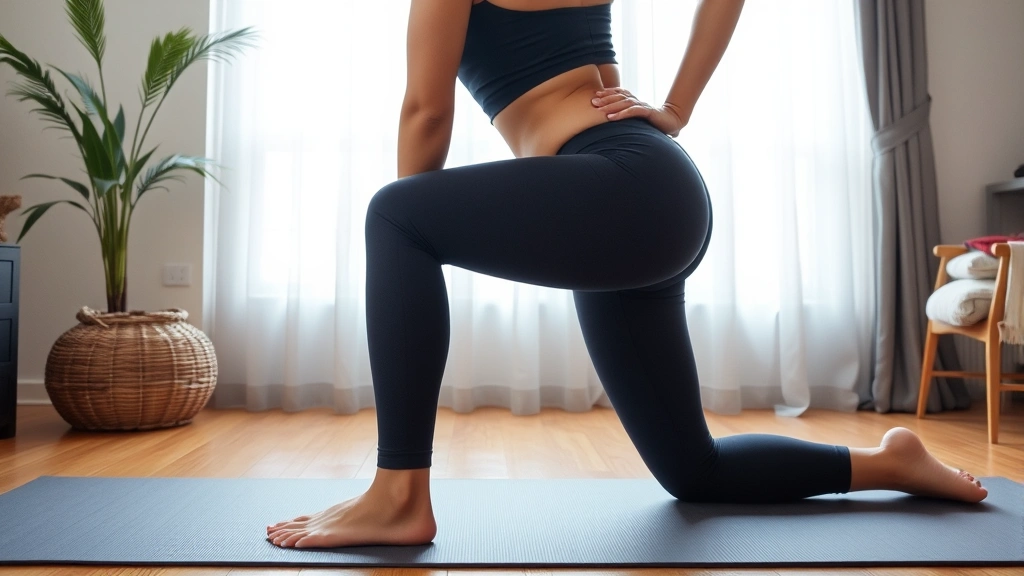
- Lunges and Split Squats – unilateral leg strength and balance
- Glute Bridges and Hip Thrusts – glute activation and posterior chain
- Step-ups – single-leg strength and functional movement
- Calf Raises – often overlooked, but they respond well to high reps
- Resistance Band Leg Curls – hamstring isolation
Core:
- Planks (standard, side, dynamic) – stability and endurance
- Dead Bugs – core control and anti-rotation strength
- Mountain Climbers – dynamic core work plus cardio
- Ab Wheel Rollouts (if you have one) – advanced core development
These movements create the mechanical tension necessary for muscle hypertrophy documented in peer-reviewed exercise science research. They’re not fancy, but they work.
Sample Home Workout Program
Here’s a realistic 4-day split you can run at home. It balances frequency, recovery, and progressive overload.
Day 1: Upper Body Push
- Push-ups: 4 sets x 8-12 reps
- Dumbbell or Band Overhead Press: 3 sets x 8-10 reps
- Dips: 3 sets x 6-12 reps
- Resistance Band Lateral Raises: 3 sets x 12-15 reps
- Tricep Extensions: 3 sets x 10-12 reps
Day 2: Lower Body
- Goblet Squats or Weighted Squats: 4 sets x 8-12 reps
- Bulgarian Split Squats: 3 sets x 10 reps per leg
- Glute Bridges: 3 sets x 12-15 reps
- Resistance Band Leg Curls: 3 sets x 12 reps
- Calf Raises: 3 sets x 15-20 reps
Day 3: Upper Body Pull
- Pull-ups or Chin-ups: 4 sets x 5-12 reps
- Dumbbell or Band Rows: 4 sets x 8-12 reps
- Face Pulls (with band): 3 sets x 12-15 reps
- Bicep Curls: 3 sets x 8-12 reps
- Dead Bugs: 3 sets x 10 reps per side
Day 4: Lower Body + Core
- Jump Squats or Pistol Squat Progression: 4 sets x 8-10 reps
- Walking Lunges: 3 sets x 10 per leg
- Single-Leg Hip Thrusts: 3 sets x 10 per leg
- Planks: 3 sets x 45-60 seconds
- Mountain Climbers: 3 sets x 20 reps
Rest 48 hours between hitting the same muscle groups. If you can’t train 4 days weekly, a 3-day full-body routine works great too—just adjust volume accordingly. The key is showing up consistently and pushing progressively harder over weeks and months.
Need help structuring your overall fitness journey? Check out our guide on creating a sustainable workout routine that actually fits your life.
Nutrition for Home-Based Muscle Building
You can’t out-train a bad diet. Muscle growth requires adequate protein, calories, and micronutrients. You’re literally building new tissue—your body needs raw materials.
Protein: Aim for 0.7-1 gram per pound of bodyweight daily. Chicken, fish, eggs, Greek yogurt, cottage cheese, legumes, and protein powder all work. Your muscles need amino acids to repair and grow after training.
Calories: You need a slight surplus to build muscle efficiently. This doesn’t mean eating everything in sight—aim for 300-500 calories above maintenance. Too aggressive and you’ll gain excessive fat; too conservative and muscle growth stalls.
Carbs: They fuel your workouts and replenish glycogen. Don’t fear them—they’re essential for performance and recovery.
Fats: Important for hormone production and overall health. Include sources like olive oil, nuts, avocados, and fatty fish.
Track your intake for a week or two to establish baseline awareness. You don’t need to obsess forever, but understanding your nutrition foundation is crucial. For detailed guidance, the Mayo Clinic fitness and nutrition resources offer evidence-based recommendations.
Hydration matters too. Drink water consistently throughout the day—your muscles are roughly 75% water, and dehydration tanks performance and recovery.
Recovery and Consistency
Here’s where most people fail: they kill it for three weeks then ghost. Muscle growth happens during recovery, not during the workout. Your training is just the stimulus.
Sleep: Aim for 7-9 hours nightly. Growth hormone peaks during deep sleep, and that’s when your body repairs muscle damage. Skimp on sleep and you’re literally leaving gains on the table.
Rest Days: Take at least one full rest day weekly. Your nervous system needs recovery too, not just your muscles. Active recovery (walking, light stretching, yoga) on off days is fine, but don’t train hard every single day.
Manage Soreness: Delayed onset muscle soreness (DOMS) is normal after new stimulus. It doesn’t mean you’re making progress—it means you did something different. It usually subsides after a few days.
Consistency Over Perfection: Missing one workout doesn’t kill progress. Missing every workout does. Build a routine you can sustain for months and years, not weeks. Life happens—adapt and keep moving forward.
If you’re struggling with motivation, remember why you started. Building muscle takes time, but the confidence, strength, and health benefits are absolutely worth it. You’re not just changing your body—you’re proving to yourself that you can commit to something difficult.
Want more on staying consistent? Our article on building sustainable fitness habits digs into the psychology of long-term success.
FAQ
Can you actually build muscle with just bodyweight?
Yes, absolutely. Bodyweight training creates sufficient mechanical tension for muscle growth, especially when you’re progressing difficulty through variations (archer push-ups, pistol squats, handstand work). You’ll eventually plateau without added resistance, but you can build a solid foundation and good strength-to-weight ratio with bodyweight alone.
How long until you see results at home?
Most people notice visible changes within 4-6 weeks of consistent training and proper nutrition. Strength improvements happen faster—often within 2-3 weeks. Real muscle growth takes months and years, but you’ll feel and see differences relatively quickly if you’re consistent.
Do you need a lot of space to train at home?
Nope. A corner of your bedroom or living room is enough. Most exercises need just enough space to lie down and extend your arms. Even apartment dwellers can build serious muscle with smart exercise selection and minimal equipment.
Is home training as effective as gym training?
When variables are controlled—same volume, intensity, and frequency—home and gym training produce similar results. The gym has advantages (more equipment variety, easier progressive overload with heavy weights), but home training wins on consistency and accessibility. Better to do a good home workout you’ll actually complete than skip a gym session.
How do you progress without heavy weights?
Increase reps, decrease rest, add resistance bands, improve range of motion, increase frequency, or layer difficulty through exercise variations. Progressive overload isn’t just about slapping more weight on the bar—it’s about making your muscles work harder over time, and home training offers plenty of ways to achieve that.
What if you don’t have a pull-up bar?
Resistance bands can substitute for pulling movements, though they’re not identical. Inverted rows under a sturdy table work well too. A pull-up bar is worth the $30-50 investment though—it’s the single most effective upper back and lat builder available for home training.


