
Let’s be real—building muscle is one of those fitness goals that sounds simple until you’re actually doing it. You hit the gym, lift heavy things, eat protein, and boom—you’re supposed to wake up jacked, right? Not quite. The truth is, muscle building is a science, and understanding how your body actually works is what separates people who see results from those who just spin their wheels for months.
Whether you’re a complete beginner picking up dumbbells for the first time or someone who’s been training but hitting a plateau, this guide breaks down everything you need to know about building muscle effectively. We’re talking progressive overload, recovery, nutrition, and the kind of programming that actually works—without the toxic “go hard or go home” mentality that burns people out.
The good news? Your body is literally designed to adapt and build muscle. You just need a plan that respects both the science and your actual life.
How Muscle Growth Actually Works
Before we dive into the how-tos, let’s talk about the why. Your muscles don’t grow in the gym—they grow when you’re resting. Sounds backward? It’s not.
Here’s the mechanism: when you lift weights, you create microscopic tears in your muscle fibers. Your body then repairs these tears by fusing muscle fibers together, which increases muscle mass and strength. This process is called muscle protein synthesis, and it’s the foundation of everything we’re about to discuss.
According to research from the American College of Sports Medicine (ACSM), muscle growth requires three things: mechanical tension (lifting heavy stuff), muscle damage (pushing your muscles), and metabolic stress (that pump you feel). You don’t need all three in equal measure every single workout, but they all matter over time.
The key insight? Consistency beats intensity every single time. One killer workout won’t build muscle. Fifty solid workouts will.
If you’re new to this, check out our guide on beginner strength training programs to understand how to structure your first few weeks. And if you’re already training, understanding how to increase strength safely will help you progress without injury.

Progressive Overload: The Non-Negotiable
This is the secret that isn’t really a secret. Progressive overload is the principle of gradually increasing the demands placed on your muscles during exercise. Without it, your body has no reason to adapt and build muscle.
Progressive overload doesn’t always mean adding weight to the bar. You can:
- Add more reps (8 reps → 10 reps with the same weight)
- Add more sets (3 sets → 4 sets)
- Decrease rest periods (90 seconds → 60 seconds between sets)
- Improve form and range of motion
- Add weight (the classic approach)
- Increase training frequency (training a muscle group 2x per week instead of 1x)
The National Academy of Sports Medicine (NASM) emphasizes that progressive overload should be gradual. A 5-pound increase on your bench press is better than jumping 20 pounds and getting injured. Track your workouts—seriously, write them down or use an app. You can’t progress what you don’t measure.
Most people plateau because they stop progressing. They do the same weight, same reps, same sets for months. Your muscles adapt. They get comfortable. And comfortable muscles don’t grow.
Nutrition for Muscle Building
You can’t out-train a bad diet. This isn’t motivation talk—it’s biology. Your muscles need raw materials to rebuild themselves after training.
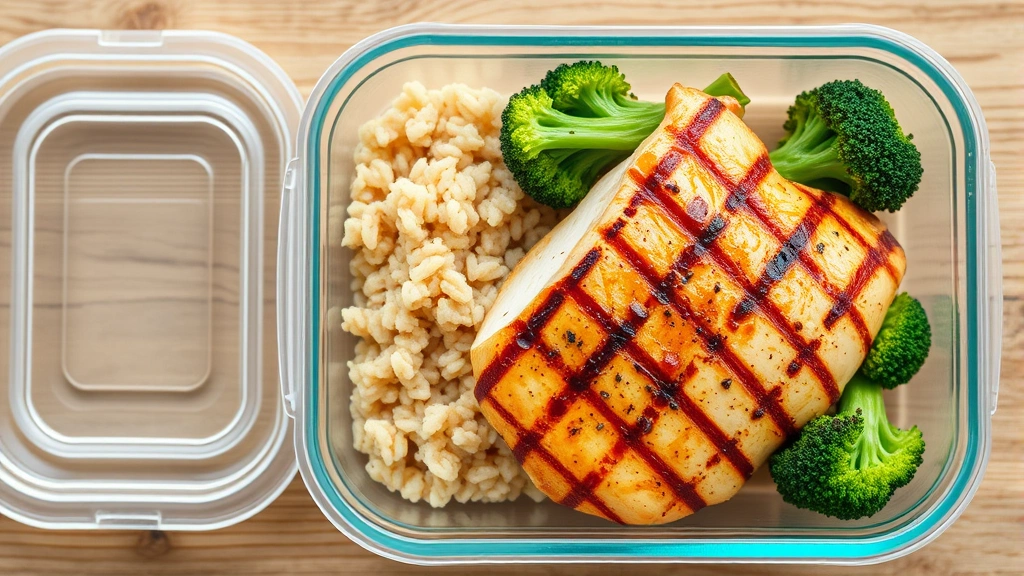
Protein is non-negotiable. Research consistently shows that adequate protein intake supports muscle growth. Most evidence suggests aiming for 0.7–1 gram of protein per pound of body weight daily. If you weigh 180 pounds, that’s 125–180 grams of protein per day.
Where does that protein come from?
- Chicken, turkey, lean beef (25–35g per 3-4 oz serving)
- Fish and seafood (20–25g per 3-4 oz serving)
- Eggs (6g per egg)
- Greek yogurt (15–20g per serving)
- Cottage cheese (14g per half-cup)
- Legumes and tofu (10–18g per serving)
- Protein powder (20–30g per scoop)
But protein isn’t the whole story. You also need:
Carbohydrates: They fuel your workouts and replenish muscle glycogen. Don’t fear carbs—they’re your training partner.
Fats: They support hormone production, including testosterone, which is crucial for muscle growth. Aim for 0.3–0.4 grams per pound of body weight daily.
Calories: You need a slight surplus to build muscle (300–500 calories above maintenance). Your body can’t build muscle from nothing. If you’re eating too little, your body breaks down muscle for energy instead of building it.
If you’re unsure about your nutrition, check out our resource on post-workout nutrition timing and how to calculate your macros for muscle building. These aren’t sexy topics, but they’re what actually moves the needle.
A practical tip: eat most of your protein spread throughout the day rather than pounding 100g in one meal. Your body can only synthesize about 20–40g of protein per meal effectively.
Recovery and Rest Days Matter
Here’s where a lot of people mess up: they think more training = more muscle. It doesn’t work that way.
Muscle growth happens during recovery, not during the workout itself. When you train, you’re creating the stimulus. When you sleep, eat well, and rest, you’re actually building. Skipping rest days isn’t dedication—it’s counterproductive.
Sleep is non-negotiable. Aim for 7–9 hours per night. During sleep, your body releases growth hormone and repairs muscle tissue. If you’re getting 5 hours and wondering why you’re not growing, that’s your answer. The Mayo Clinic emphasizes sleep’s role in muscle recovery and adaptation.
Active recovery matters too. On rest days, light movement like walking, yoga, or easy swimming can increase blood flow to your muscles, which aids recovery without adding stress.
If you’re training hard, aim for at least one full rest day per week. Some people do two. There’s no shame in that. Your muscles don’t know the difference between Monday’s workout and Saturday’s workout—they know how much total volume you’re handling and how much time you have to recover.
Overtraining is real, and it looks like: persistent fatigue, decreased performance, elevated resting heart rate, mood issues, and getting sick more often. If you’re experiencing these, pull back. Training is a stress on your body. Too much stress without recovery breaks you down instead of building you up.
Programming That Works
Now let’s talk structure. There’s no single “best” program, but there are principles that work.
Volume and Frequency Matter
Research from the American Council on Exercise (ACE) suggests that training each muscle group 2–3 times per week with sufficient volume produces better results than once-weekly training. This is why full-body workouts or upper/lower splits often work better for beginners than body-part splits.
Sample Beginner Program (3 days per week)
This is a full-body approach that hits every muscle group each session:
- Day 1: Squat 4×6, Bench Press 4×6, Barbell Row 4×6, Accessories
- Day 2: Deadlift 3×5, Overhead Press 4×6, Pull-ups 4×6–8, Accessories
- Day 3: Squat 4×8, Incline Bench 4×8, Barbell Row 4×8, Accessories
Rest at least one day between sessions. This approach gives you compound lift practice, adequate volume, and recovery time.
Once you’ve trained consistently for 6–12 months, you might move to an upper/lower split routine or explore periodized programming. But honestly? Most people can build serious muscle with consistent full-body training for years.
Compound Movements Are Your Foundation
Squats, deadlifts, bench press, rows, and overhead press should be the foundation of your program. These movements work multiple muscle groups, allow you to lift heavy weight, and produce the most muscle-building stimulus per unit of time.
Isolation exercises (bicep curls, leg extensions, lateral raises) are helpful accessories, but they’re not the main event. Think of them as supplementary work after you’ve done your main lifts.
Rep Ranges and Sets
The myth: “Heavy weight builds strength, moderate weight builds muscle.” The reality: any rep range from 6–30 reps can build muscle if you’re pushing close to failure and getting enough volume. A set of 6 reps and a set of 12 reps can both build muscle—they just feel different.
That said, most people find 6–12 reps to be the sweet spot. It allows you to lift relatively heavy, control the weight, and accumulate good volume without it taking forever.
Common Mistakes and How to Avoid Them
You don’t have to learn these lessons the hard way.
Mistake 1: Not Eating Enough You can’t build muscle in a calorie deficit. If you’re training hard but not gaining weight after 4 weeks, eat more. Simple as that.
Mistake 2: Doing Too Much Volume Too Fast Starting with 20 sets per muscle group per week is a recipe for burnout and injury. Start with 10–12 sets and add gradually.
Mistake 3: Neglecting Weak Points We all love training what we’re already good at. But your weak points are where you’ll make the most progress. If your squat is weak, prioritize it.
Mistake 4: Switching Programs Every Month Your body needs time to adapt. Give a program at least 8–12 weeks before judging it. Consistency matters more than perfection.
Mistake 5: Ignoring Pain Signals There’s a difference between muscle burn and joint pain. If something hurts in your joint, stop. Muscle soreness is fine; pain is a signal to back off.
FAQ
How long does it take to see muscle growth?
You’ll likely see strength gains within 2–3 weeks. Visible muscle growth usually takes 6–8 weeks of consistent training and proper nutrition. Patience is your friend here.
Can you build muscle without lifting heavy weights?
Yes, but it’s harder. Higher rep ranges (15–30 reps) can build muscle if you’re pushing close to failure and getting enough total volume. Most people find lifting moderate-to-heavy weight more efficient.
Do I need supplements to build muscle?
No. Protein powder is convenient, but you can get all the protein you need from food. Creatine is the only supplement with strong evidence for muscle building, but it’s optional. Focus on the fundamentals first.
What if I don’t have access to a gym?
Bodyweight training, resistance bands, and household items (water jugs, backpacks) can all build muscle. Progressive overload still applies—do more reps, add resistance, decrease rest periods.
Should I do cardio if I’m trying to build muscle?
Light cardio (walking, easy cycling) won’t interfere with muscle building. Excessive cardio (running 10+ miles per week) can make building muscle harder because it burns calories and creates additional recovery demands. Keep it moderate.


