
The Real Talk Guide to Building Sustainable Fitness Habits That Actually Stick
Let’s be honest—you’ve probably started a fitness routine before. Maybe you crushed it for three weeks, felt amazing, and then… life happened. Work got busy, motivation tanked, or you just got bored. You’re not alone. The difference between people who transform their fitness isn’t some secret genetic lottery. It’s about building habits that don’t feel like punishment, and that’s exactly what we’re breaking down today.
This isn’t your typical “go hard or go home” fitness manifesto. We’re talking real strategies that work for real people with real lives. Whether you’re a complete beginner or you’ve been spinning your wheels for years, you’ll find actionable steps to make fitness a genuine part of who you are—not just something you “should” do.
Why Fitness Habits Matter More Than Willpower
Here’s the thing about willpower: it’s finite. You wake up with a full tank, but every decision you make—from what you eat for breakfast to whether you hit snooze—drains it. By the time 5 PM rolls around and someone offers you a donut, your willpower is running on fumes. That’s why relying on motivation alone is basically setting yourself up to fail.
Habits, though? They’re different. Once something becomes a habit, it requires way less mental energy. Think about brushing your teeth. You don’t wake up and think, “Today I’m going to practice willpower and brush my teeth.” You just do it. That’s the power of habit. According to research from PubMed studies on habit formation, it takes an average of 66 days for a behavior to become automatic, though it can range from 18 to 254 days depending on the complexity and individual factors.
The key is creating an environment and routine that makes fitness the path of least resistance. When your gym clothes are already laid out, when your workout time is blocked on your calendar like a meeting, when you’ve got a solid workout plan—you’re not relying on motivation anymore. You’re relying on structure.
Building Your Fitness Foundation
Before you jump into advanced training splits or start chasing Instagram fitness goals, you need a foundation. This is non-negotiable, and honestly, it’s where most people mess up. They want the fancy stuff before they’ve got the basics locked in.
Your foundation consists of three things:
- Consistency over intensity: Showing up three times a week, every week, beats crushing yourself once and disappearing for a month. Your body adapts to what you do regularly, not what you do sporadically.
- Movement quality: Learning proper form might seem boring compared to loading up the barbell, but it prevents injuries and ensures you’re actually working the muscles you think you are. Check out resources on ACE Fitness certification standards for movement quality guidelines.
- Recovery capacity: Your body doesn’t adapt during the workout—it adapts during rest. If you’re not sleeping, managing stress, and taking rest days seriously, you’re leaving gains on the table.
Start with what you can sustain. If you’re new to training, three days a week of strength training combined with daily movement (walking, light activity) is perfect. Don’t jump into six-day splits or two-a-days. You’ll burn out, and then you’ll quit. We’re playing the long game here.
Progressive Overload: The Secret Sauce
Progressive overload sounds like gym jargon, but it’s actually the most important concept for seeing results. It simply means doing a little bit more over time. More weight, more reps, more sets, shorter rest periods, better form—any of these counts.
Here’s why it matters: your body is incredibly smart. It adapts to stress. If you do the same workout at the same intensity forever, your body says, “Yeah, I’ve got this,” and stops changing. But if you consistently challenge it slightly more, it has to keep adapting. That’s where progress lives.
You don’t need massive jumps. Adding five pounds to your lifts or one extra rep per week is enough. Over a year, that’s 260 extra pounds you’re moving or 52 extra reps. That’s significant. The American College of Sports Medicine (ACSM) recommends progressive resistance training as the foundation of effective strength development.
Track your workouts. Use your phone, a notebook, whatever—just write down what you did. This isn’t vanity. It’s your roadmap. When you can look back and see that you did eight reps last month and now you’re doing ten, that’s concrete proof of progress. That’s motivating.
Nutrition as Your Fitness Fuel
You can’t out-train a bad diet. Full stop. Your workouts are the stimulus, but your nutrition is what allows your body to actually recover and build muscle. Think of it like this: you wouldn’t put cheap gas in an expensive car and expect it to run well. Your body deserves the same respect.
You don’t need to be perfect or follow some restrictive diet. You need three things:
- Enough protein: Aim for about 0.7-1 gram per pound of bodyweight if you’re training regularly. Protein is what your muscles use to repair and grow. Whether it comes from chicken, fish, beans, tofu, or protein powder doesn’t matter—hit your target.
- Enough calories to support your goals: If you want to build muscle, you need to eat enough. If you want to lose fat, you need a modest deficit (not starvation). Your nutrition plan should match your goals, not fight them.
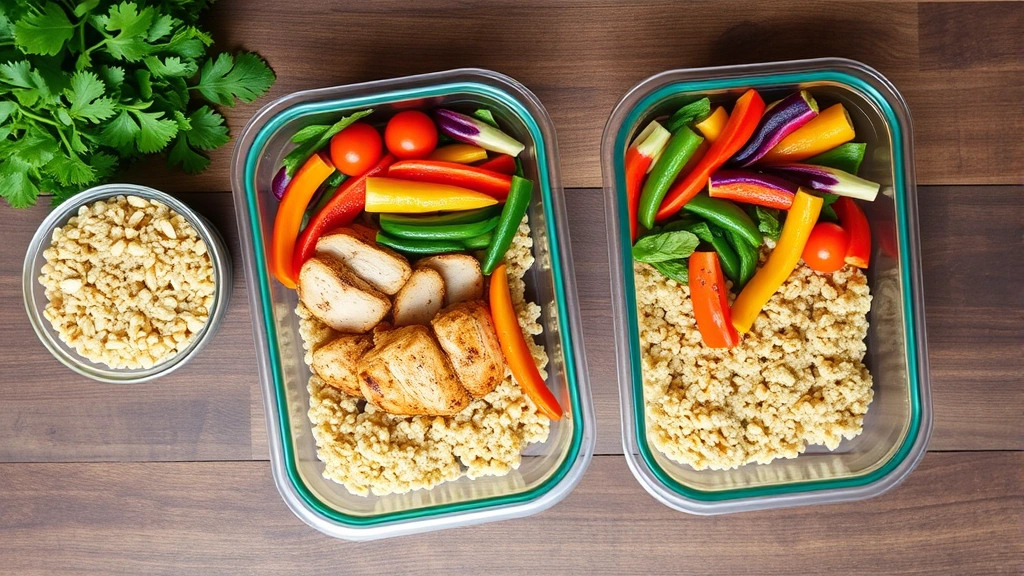
- Mostly whole foods: Vegetables, fruits, whole grains, lean proteins, healthy fats. These should make up 80-90% of your diet. The other 10-20%? Enjoy whatever you want. This is sustainable. This is real life.
The best diet is the one you’ll actually stick to. If you hate chicken and broccoli, don’t eat chicken and broccoli. Find proteins and vegetables you actually enjoy. If you love carbs, don’t do keto. Nutrition is personal, and the science backs this up—Mayo Clinic nutrition resources emphasize individual dietary needs over one-size-fits-all approaches.
One more thing: hydration. Drink water. Not energy drinks, not excessive coffee. Water. Your muscles are 75% water. Your performance, recovery, and results all depend on proper hydration.
The Recovery Game Changer
This is where the magic actually happens, and it’s why so many people plateau. They’re doing everything right in the gym, but they’re sabotaging themselves outside of it.
Recovery includes:
- Sleep: Aim for 7-9 hours. This is where growth hormone is released, where muscle repair happens, where your nervous system resets. Skimp on sleep, and you’re basically throwing away your workouts.
- Rest days: You need at least one full rest day per week, and honestly, two is better. Active recovery (light walking, stretching, yoga) on these days is great, but the point is you’re not hammering your body.
- Stress management: Chronic stress elevates cortisol, which can interfere with muscle growth and recovery. Find what works for you—meditation, time in nature, time with friends, whatever makes you feel calm.
- Mobility work: Spend 10-15 minutes a few times a week on stretching and mobility. This isn’t just about flexibility. It improves movement quality, reduces injury risk, and helps you feel better day-to-day.
Recovery isn’t boring or lazy. It’s where your body actually builds the muscle and strength you’re working for in the gym. Treat it like it matters, because it does.
The Mental Game Nobody Talks About
Your mind is just as important as your muscles. Maybe more so. Because your mind is what keeps you going when you don’t feel like it, what helps you push through plateaus, and what reminds you why you started when motivation is gone.
Here’s the real talk: you’re going to have days where you don’t want to work out. Days where you’re tired, stressed, or just not feeling it. That’s normal. The difference is what you do on those days. Show up anyway, even if it’s just a 20-minute session instead of your planned hour. The momentum of consistency matters more than the intensity of any single workout.
Also, celebrate the wins. Did you add five pounds to your lift? That’s huge. Did you stick to your nutrition for a whole week? Amazing. Did you take your rest day seriously? Perfect. These small wins compound. Over months and years, they become transformations.
Get rid of the comparison trap while you’re at it. Social media is full of people showing their best moments. You’re not seeing their bad days, their struggles, or the fact that some of them have been training for ten years. Your fitness journey is yours. It doesn’t need to look like anyone else’s.
Tracking Progress Without Obsessing
Data is powerful. It keeps you accountable and shows you that you’re making progress even when you can’t feel it yet. But there’s a line between tracking and obsessing, and I want to help you stay on the right side of it.
Track these things:
- Workouts: Exercises, weights, reps, sets. This shows your strength progression.
- Body measurements: Once a month, not daily. These show body composition changes.
- How you feel: Energy levels, sleep quality, mood, performance. These are huge indicators of progress that numbers don’t capture.
- Progress photos: Every 8-12 weeks. You won’t see the change day-to-day, but month-to-month? It’s obvious.
Don’t obsess over the scale. Weight fluctuates based on water retention, hormones, time of day, and food in your stomach. If you’re building muscle while losing fat, the scale might not move much, but your body is changing dramatically. That’s why taking measurements and progress photos is so valuable.

The goal is to create a system where you’re aware of your progress without letting it consume your life. Check your data weekly or monthly, not daily. Let it inform your decisions, not dictate your mood.
FAQ
How long until I see results?
You’ll feel results (more energy, better sleep, improved mood) in 2-3 weeks. You’ll see visible physical changes in 6-8 weeks if you’re consistent. Major transformations take 3-6 months. Be patient with yourself. You didn’t get where you are overnight, and you won’t transform overnight either. But you will transform.
Do I need a gym membership to build sustainable fitness habits?
Nope. A gym is convenient and helpful, especially for strength training, but you can build serious fitness with bodyweight, resistance bands, or even just consistent walking and movement. The best workout is the one you’ll actually do.
What if I miss a workout or fall off track?
You’re human. It happens to everyone. The key is not letting one missed workout become a week of missed workouts. Just get back on track at your next scheduled session. Progress isn’t linear, and one workout (or lack thereof) doesn’t erase your progress.
How do I stay motivated when progress slows down?
This is where habits matter more than motivation. You don’t rely on motivation; you rely on your routine. Also, plateaus are normal and temporary. Change up your exercises, try different rep ranges, or focus on form and mind-muscle connection. Progress doesn’t always mean more weight on the bar.
Can I build sustainable fitness habits if I have a busy schedule?
Absolutely. You don’t need an hour at the gym. Three 30-minute sessions per week is plenty. Twenty minutes of focused training beats zero minutes of perfect training. Make it fit your life, not the other way around.
Should I hire a personal trainer or coach?
If you can afford it and it helps you stay accountable, it’s worth considering. But you can absolutely succeed on your own with good information, consistency, and honesty about your effort. A coach accelerates progress, but it’s not required.


