
Let’s be real: starting a fitness journey can feel overwhelming. You’re bombarded with conflicting advice, miracle supplements, and workout programs that promise the world but deliver disappointment. But here’s the thing—fitness doesn’t have to be complicated. It’s not about being perfect; it’s about being consistent, showing up for yourself, and celebrating the small wins along the way.
Whether you’re just starting out, coming back after a break, or looking to level up your current routine, the fundamentals remain the same. You need a solid plan, the right mindset, and an understanding of what actually works for your body. That’s what we’re diving into today.
Understanding the Fitness Foundation
Before you even step foot in a gym or unroll a yoga mat, you need to understand what fitness actually means. It’s not just about looking a certain way—though that’s totally a valid goal. Real fitness is about building strength, improving cardiovascular health, increasing flexibility, and creating a body that feels good and performs well in daily life.
According to the American College of Sports Medicine, a well-rounded fitness program includes aerobic exercise, strength training, and flexibility work. That’s your foundation. You’re not picking one and ignoring the rest; you’re building a balanced approach that addresses all aspects of physical health.
The key insight here? Your fitness journey is deeply personal. What works for your best friend might not work for you, and that’s completely okay. Some people thrive on group fitness classes, others prefer solo workouts. Some love running; others would rather do anything else. The best workout is the one you’ll actually do consistently.
If you’re new to this, start by assessing where you’re at right now. Can you walk up stairs without getting winded? How’s your flexibility? Can you do a single push-up? Be honest with yourself—not in a judgmental way, but in a factual, baseline kind of way. This is your starting point, and it’s perfect exactly as it is.
Building Your Perfect Workout Plan
Here’s where most people go wrong: they jump into an advanced program they found online without considering their current fitness level. Then they burn out, get injured, or simply quit because it’s too hard. Don’t be that person.
Start with a plan that matches your current abilities. If you’re a complete beginner, you might spend 2-3 weeks doing basic movement patterns and bodyweight exercises. That’s not “easy mode”—that’s smart training. You’re building the neural pathways, establishing good form, and proving to yourself that you can show up.
Your workout plan should include:
- Strength training (2-3 days per week): Focus on compound movements like squats, deadlifts, push-ups, and rows. These work multiple muscle groups and give you the most bang for your buck.
- Cardiovascular exercise (2-3 days per week): This could be running, cycling, swimming, or even brisk walking. The goal is to elevate your heart rate and build aerobic capacity.
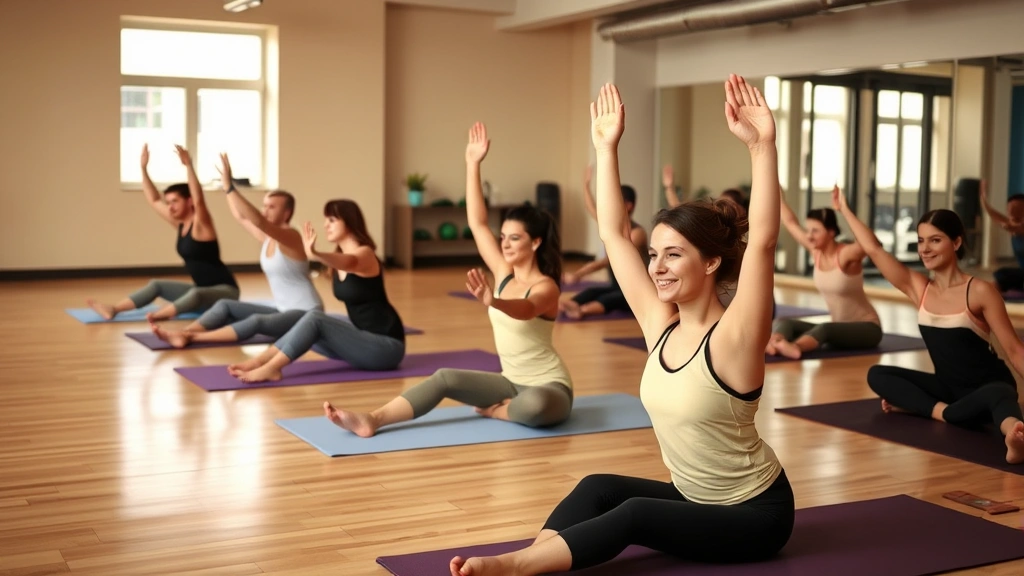
- Flexibility and mobility work (3-5 days per week): Yoga, stretching, or foam rolling. This keeps you feeling good and prevents injuries.
According to NASM certification standards, beginners should focus on movement quality over intensity. You want to nail your form before you add weight or complexity. This might feel slow, but it’s the fastest way to long-term progress.
Consider working with a certified personal trainer for at least a few sessions, even if it’s just to learn proper form. This investment pays dividends by preventing injuries and ensuring you’re actually working the muscles you think you’re working.
Nutrition: Fuel Your Progress
You can’t out-train a bad diet. We’ve all heard this, and it’s absolutely true. Your workouts are creating the stimulus for change, but your nutrition is where the actual adaptation happens.
You don’t need to be perfect or obsessive about food. You don’t need to count every calorie or eliminate entire food groups. What you do need is a basic understanding of macronutrients and how to fuel your body appropriately.
Protein is non-negotiable if you’re doing strength training. It helps repair and build muscle tissue. Aim for about 0.7-1 gram per pound of body weight. That could be chicken, fish, eggs, Greek yogurt, beans, or plant-based options—whatever works for you.
Carbohydrates aren’t the enemy, despite what diet culture tells you. They’re your primary fuel source, especially for workouts. Focus on whole grains, fruits, and vegetables.
Fats are essential for hormone production and overall health. Include sources like avocados, nuts, seeds, and olive oil.
The Mayo Clinic’s fitness nutrition guidelines recommend eating whole foods most of the time, staying hydrated, and not using food as a reward or punishment for workouts. That last one is huge—your relationship with food matters as much as the food itself.
Meal timing matters too, but not in the way some people make it sound. You don’t need to eat protein within 30 minutes of working out. Just make sure you’re eating enough total protein throughout the day and fueling your workouts with adequate carbs and hydration.
Recovery and Rest Days Matter
This is where the magic actually happens. Your workouts break down muscle tissue and stress your system. Recovery is when your body adapts and gets stronger. Skip recovery, and you’ll plateau or get injured.
Rest days aren’t laziness—they’re part of your training. On rest days, you’re not doing intense workouts, but you might do light stretching, walking, or mobility work. The point is that you’re not adding additional stress to your system.
Sleep is absolutely critical. This is when your body releases growth hormone, repairs muscle tissue, and consolidates memories (including motor memories from your workouts). Aim for 7-9 hours per night. If you’re not sleeping well, your fitness results will suffer, no matter how hard you’re training.
Stress management matters too. Chronic stress elevates cortisol, which can interfere with recovery and make it harder to build muscle or lose fat. This is where practices like meditation, time in nature, or hobbies come in. They’re not separate from fitness—they’re part of your complete health picture.
Nutrition during recovery is important too. After a workout, your muscles are primed to accept nutrients. Within a couple of hours, eat something with protein and carbs. This could be as simple as a sandwich or a Greek yogurt with fruit.
Tracking Progress Without Obsessing
You can’t improve what you don’t measure, but you also can’t obsess over every metric without losing your mind. Find a middle ground.
The most reliable metrics are:
- Strength gains: Can you lift more weight or do more reps? This is a clear, objective measure of progress.
- Performance: Can you run farther, faster, or longer? Can you hold a plank longer? These matter.
- How you feel: Do you have more energy? Better sleep? Less joint pain? These are real wins that don’t show up on a scale.
- Body composition changes: How your clothes fit matters more than the number on the scale. Muscle weighs more than fat, so you could be getting leaner while the scale stays the same.
Weigh yourself once a week if you want to track that metric, but don’t obsess over daily fluctuations. Take progress photos every 4-6 weeks. These often show changes that the scale doesn’t capture.
Keep a workout journal. Write down what you did, how you felt, and what you lifted. This gives you accountability and helps you spot patterns in your progress.

Overcoming Common Obstacles
Every fitness journey hits bumps. Knowing how to navigate them separates people who succeed from people who quit.
The motivation dip: You’ll have weeks where you don’t feel like working out. That’s normal. This is where discipline comes in. Motivation is great, but discipline is what gets you to the gym when motivation is on vacation. Start with just showing up for 10 minutes. You’ll usually stay longer once you get started.
Plateaus: Your body adapts. After 4-6 weeks of the same routine, progress slows. This is your cue to change something—add weight, increase reps, try a different exercise, or adjust your training split. You don’t have to overhaul everything, just introduce enough variation to challenge your body in new ways.
Injuries: They happen. When they do, don’t try to push through serious pain. Get it checked out by a professional. In the meantime, work around it. Can’t do bench press? Try dumbbell work or machines. Most injuries don’t mean you have to stop training entirely; you just have to be smart about it.
Life getting busy: Work deadlines, family obligations, and unexpected events will disrupt your routine. That’s life. Have a backup plan for when you can’t get to the gym—bodyweight exercises at home, a 20-minute run, or even just stretching. Something is always better than nothing.
Comparing yourself to others: Social media shows highlight reels, not reality. Someone’s Instagram post doesn’t show the years of training, the genetics, the professional coaching, or the fact that they’re probably not looking like that in their everyday life. Compare yourself only to who you were yesterday.
According to PubMed research on exercise adherence, the people who succeed long-term are those who build fitness into their lifestyle rather than treating it as a temporary project. They find activities they enjoy, they’re flexible when life happens, and they focus on how fitness makes them feel rather than just how it makes them look.
FAQ
How long before I see results?
You’ll feel better within 2-3 weeks. You’ll have more energy, better sleep, and improved mood. Visible physical changes typically take 4-8 weeks, depending on your starting point and consistency. Strength gains can happen even faster—you might notice yourself lifting more weight within 2-3 weeks.
Do I need to go to a gym?
Nope. You can build an amazing physique with bodyweight exercises, resistance bands, and minimal equipment. A gym is convenient and offers variety, but it’s not required. What matters is that you have a plan and you execute it consistently.
Is it ever too late to start?
Absolutely not. People start fitness journeys in their 40s, 50s, 60s, and beyond. Your body can adapt and improve at any age. You might progress differently than a 20-year-old, but you’ll still progress. That’s what matters.
Should I do cardio or strength training first?
If you’re doing both in the same session, do strength training first when you’re fresh and can focus on form. Then do cardio after. If you’re doing them on separate days, it doesn’t matter.
How do I stay consistent?
Make it easy and enjoyable. Schedule workouts like you’d schedule a meeting. Find a gym buddy or a community. Choose activities you actually like. Track your progress. Celebrate small wins. And remember that consistency beats perfection every single time.


