
Table of Contents
Introduction
Picture this: you’ve been hitting the gym consistently, putting in the work, and building strength—but when you look in the mirror, your muscles seem to be playing hide-and-seek under a layer of softness. Sound familiar? You’re definitely not alone. The quest for muscle definition is one of those fitness goals that seems straightforward until you realize there’s way more to it than just lifting heavy weights.
Here’s the thing about muscle definition—it’s not just about having big muscles. (Though that doesn’t hurt!) It’s actually a beautiful dance between building solid muscle mass and stripping away the fat that’s covering up all your hard work. Think of it like sculpting a statue: the masterpiece was always there, but you need to chip away the excess marble to reveal it. Your body fat percentage, muscle size, how well you’re staying hydrated, and what you’re putting on your plate all work together to create that sharp, defined look you’re after.
Ever wonder how those fitness models and athletes maintain those incredibly crisp muscle lines? The secret isn’t really a secret at all—they’ve mastered the art of balancing muscle-building workouts with smart fat loss strategies. The right workouts become your best friend here, combining movements that build muscle with ones that torch fat. It’s like having your cake and eating it too, except the cake is gainz and the eating is… well, you get the idea.
Now, let’s address the elephant in the room. There are some seriously misleading myths floating around about muscle definition that can send you down the wrong path entirely. Some people think they can just lift heavy and call it a day (spoiler alert: that’s only half the equation). Others swing too far the other way and focus only on cardio, wondering why they’re getting smaller but not more defined. The reality? You need both sides of the coin working together.
Full-body strength training is your foundation—it’s what builds the muscle you want to show off. But strategic cardio? That’s what helps reveal it. And here’s something that might surprise you: hydration plays a sneaky but important role in how full and defined your muscles look. When you’re properly hydrated, your muscles appear fuller and more pronounced. It’s one of those simple things that can make a noticeable difference. Learning about effective resistance training exercises and pairing them with fat-burning cardio creates this perfect storm for muscle definition.
But wait—there’s more to this puzzle. (I know, I know, it keeps getting more complex!) Your nutrition game needs to be on point too. This isn’t about crash dieting or cutting out entire food groups. It’s about being smart with your macronutrients. Protein becomes your muscle-building superhero, helping repair and grow those fibers you’re working so hard to develop. Carbs and healthy fats? They’re your energy sources, making sure you have the fuel to crush those challenging workouts without your body storing excess as fat.
Timing matters too. What you eat before and after your workouts can seriously impact how your muscles respond to training. And staying consistently hydrated? It optimizes everything from your workout performance to how defined your muscles appear. The key here is patience and consistency—muscle definition isn’t an overnight transformation. It’s more like tending a garden: you plant the seeds (consistent training), water them regularly (proper nutrition), and eventually, you get to enjoy the harvest. If you’re struggling with staying motivated through this process, checking out these tips on exercise motivation can be a game-changer for keeping you on track.
What You’ll Learn in This Guide
This guide will give you everything you need to increase your muscle definition effectively. We’re going to dive deep into training strategies, nutrition tactics, recovery methods, and the lifestyle habits that make all the difference.
- Understanding Muscle Definition: We’ll break down what muscle definition means biologically and the critical factors that influence it, helping you grasp the science behind your goals.
- Effective Workout Strategies: Learn about the best resistance and cardiovascular exercises that target muscle growth and fat loss, including sample routines and expert tips.
- Nutrition for Muscle Definition: Discover how to balance your macronutrients, meal timing, and hydration to fuel fat loss while supporting muscle repair and growth.
- Additional Tips and Lifestyle Changes: Explore the importance of rest, consistency, progress monitoring, and patience as you work toward sustainable muscle definition results.
Throughout this article, we’re going to map out a practical approach to developing a training program that hits all the right notes. We’ll focus on resistance exercises that build dense, strong muscle while incorporating cardiovascular work that efficiently burns fat—without sacrificing your hard-earned muscle mass. The nutrition section will show you exactly how to fuel your body to reveal those muscles you’ve been working so hard to build.
By the time you finish reading, you’ll have a clear roadmap for creating your own customized plan. No more guessing, no more conflicting advice from random internet sources. Just a solid strategy that balances exercise, nutrition, and recovery to help you show off more defined, attractive muscles that reflect all the effort you’re putting in.
Want to dive even deeper? Consider exploring how to maintain muscle mass through nutrition and discover core exercises for improved posture and stability. These topics complement everything we’ll cover and help you build a truly well-rounded fitness approach.
Ready to transform your physique and boost your confidence? With the right information and genuine dedication, muscle definition isn’t just achievable—it’s inevitable. Let’s dive in and turn your fitness goals into your fitness reality.
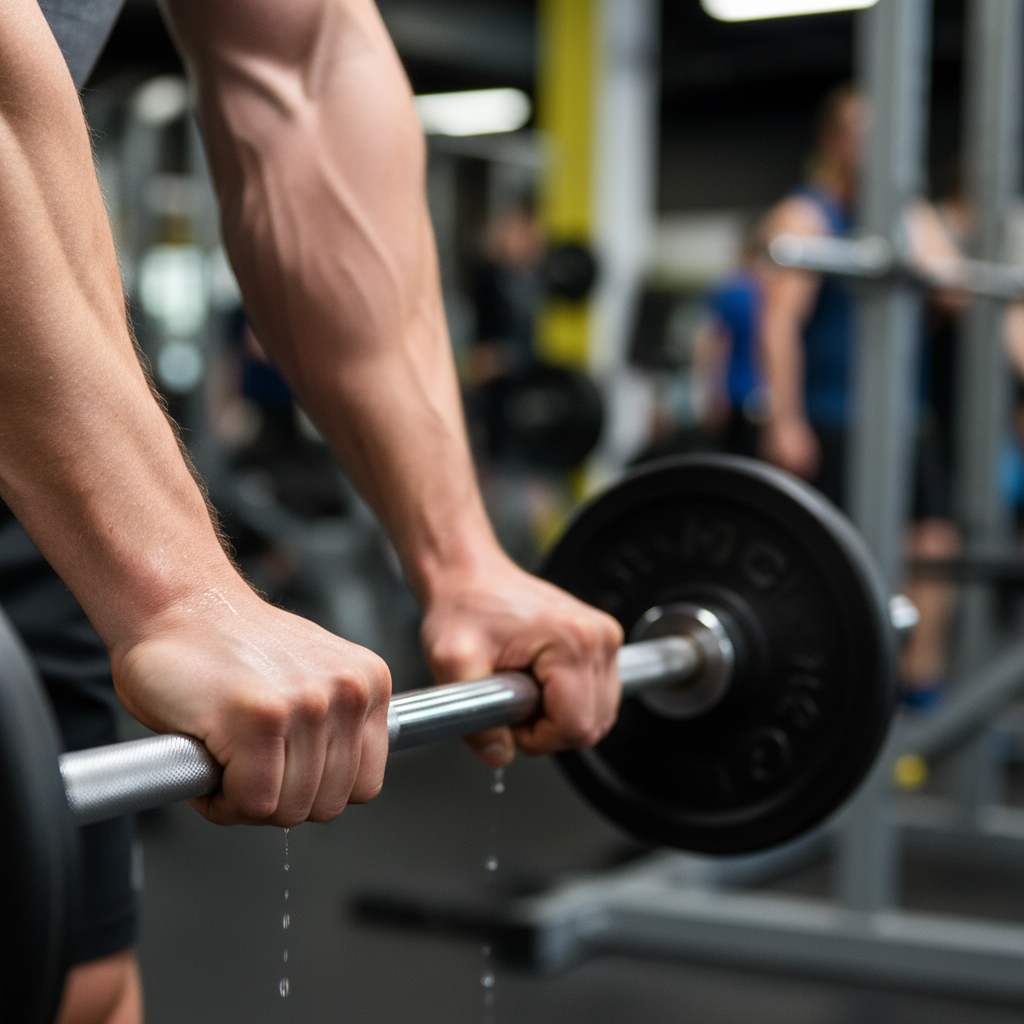
So you want muscle definition? Let’s talk about what that actually means—and why it’s trickier than most people think. Muscle definition isn’t just about having big muscles (though that helps). It’s about creating that sculpted, toned look where you can actually see the individual muscles and the lines that separate them. Think of it like this: you might have incredible muscles hiding under there, but if they’re covered by a layer of fat, nobody’s going to see them. That’s where things get interesting.
Understanding the Core Elements Influencing Muscle Definition
Here’s the thing most people get wrong about muscle definition—it’s not just about pumping iron until your arms hurt. Sure, building muscle matters. But the real game-changer? Getting rid of the fat that’s hiding your hard work.
Picture your muscles like a sculpture that’s been covered with a blanket. The sculpture might be amazing, but until you pull that blanket away, you’ll never see it. That blanket is your body fat, and reducing it is what reveals those muscle fibers you’ve been working so hard to build.
But here’s where it gets more complex (and more interesting). Muscle size and density play huge roles too. Denser muscles with less fat coverage don’t just look good—they look incredible. They have that carved-from-stone appearance that turns heads at the beach.
And there’s another factor most people overlook: hydration. Well-hydrated muscles look fuller, healthier, and more defined. Dehydrated muscles? They look flat and lifeless, no matter how much work you’ve put in. It’s like the difference between a plump grape and a raisin—same fruit, completely different appearance.
Now, you might be thinking, “Okay, so I just need to lift weights and do some cardio, right?” Not quite. This is where understanding the science becomes your secret weapon. Your body fat percentage directly impacts muscle visibility, which means you need a smart combination of cardiovascular training and resistance work. You’re not just burning fat—you’re supporting muscle growth at the same time.
Want to know what really makes the difference? Proper hydration enhances muscle vascularity and fullness, giving you that pronounced definition that makes people ask, “What’s your secret?” And if you’re serious about developing muscle size and density effectively, you’ll want to check out the best resistance training exercises that target multiple muscle groups and maximize your time in the gym.
Key Aspects of Muscle Definition
Let’s break this down into the essentials—the four pillars that will make or break your muscle definition goals:
- Body Fat Percentage: This is the big one. You could have the most impressive muscles in the world, but if they’re hiding under a layer of fat, you’ll look soft instead of defined. Getting your body fat low enough means creating a calorie deficit through cardiovascular exercise and smart nutrition. It’s not always fun, but it’s absolutely essential.
- Muscle Size and Density: Bigger, denser muscles naturally stand out more. It’s simple physics—the more muscle mass you have, the more prominent it becomes under your skin. Progressive overload in your resistance training is key here. You need to consistently challenge your muscles to grow bigger and stronger.
- Hydration and Muscle Fullness: Here’s something that can transform your look overnight: proper hydration. Your muscle cells need water to maintain volume and create that full, vascular appearance. Skimp on water, and your muscles will look deflated no matter how hard you’ve trained.
- Nutrition and Recovery: Your muscles don’t grow in the gym—they grow when you’re recovering. Adequate protein supports muscle repair and growth, while quality sleep allows your body to rebuild stronger. During fat loss phases, this becomes even more critical for maintaining the muscle you’ve worked so hard to build.
Getting all four of these elements right isn’t just important—it’s everything. Miss one, and you’re fighting an uphill battle. Nail all four, and you’ll be amazed at how quickly you start seeing results.
Effective Workout Strategies to Enhance Muscle Definition
Ready to put theory into practice? Your workout strategy needs to be a carefully orchestrated balance of building muscle and revealing it. That means combining resistance training with cardio in a way that maximizes both muscle growth and fat loss.
Think of resistance training as your muscle-building engine. It’s what creates size, strength, and density. Cardiovascular workouts? They’re your fat-burning furnace, stripping away the layers that hide your progress. But here’s the crucial part—you need both working together, not competing against each other.
Rest and recovery aren’t just nice-to-haves; they’re when the magic actually happens. Your muscles repair, rebuild, and grow stronger during downtime. Skip recovery, and you’ll overtrain, plateau, or worse—lose the gains you’ve worked for.
Want a game-changer for your cardio routine? The fitness benefits of cycling go way beyond just burning calories. It’s an incredible way to improve cardiovascular health while being easier on your joints than running—meaning you can recover better for your next resistance session.
The key is designing a balanced schedule that gives you variety, prevents plateaus, and keeps you motivated. Compound movements, intensity changes, and high-intensity interval training create the perfect storm for muscle definition. And don’t underestimate the power of good sleep—it controls stress hormones that would otherwise encourage fat storage.
Key Aspects of Workout Strategies
Your workout plan should hit these four critical areas if you want to see real muscle definition:
- Resistance Training: This is your foundation—weightlifting and bodyweight exercises that force your muscles to grow. Focus on compound movements like squats, deadlifts, and bench presses. Why? They work multiple muscle groups at once, giving you more bang for your buck and creating that full-body muscle development that looks incredible.
- Cardiovascular Exercises: Mix it up with both steady-state cardio (like running or cycling) and HIIT sessions. This combination torches calories while preserving the muscle mass you’ve built. The result? Fat melts away while your muscles stay intact and visible.
- Rest and Recovery: Your muscles need time to repair and grow stronger. Plan rest days like you plan workout days—they’re that important. Quality sleep and stress management optimize your hormone balance, supporting both muscle growth and fat metabolism.
- Consistency and Progress Tracking: Show up regularly and track what’s working. Whether it’s measurements, photos, or performance markers, monitoring your progress helps you adjust your approach and stay motivated when results seem slow.

Getting muscle definition isn’t just about pumping iron until your muscles get bigger. There’s actually more to it than that. Think of it as a balancing act—you’re working to strip away body fat so your muscles can finally show through, while building them up to be stronger and denser at the same time. The winning combination? Keep your body fat low, build solid muscle through smart resistance training, stay hydrated (trust me, it makes a difference), and fuel your recovery with the right nutrition and enough sleep. Miss any of these pieces? You’re making it harder on yourself.
Here’s where the magic happens: your workout strategy. Resistance training is your best friend here—it’s what builds the muscle size, strength, and density you’re after. Focus on compound movements like squats, deadlifts, and presses. Why? Because they work multiple muscle groups at once, giving you the biggest bang for your buck. But don’t skip cardio—it’s what burns the fat covering those muscles you’re building. Mix things up with steady-state cardio and some high-intensity interval training (HIIT). This combo torches fat without eating away at your hard-earned muscle. And here’s something people overlook: rest days aren’t lazy days. They’re when your muscles actually repair and grow stronger. Skip them (or train too much), and you’re setting yourself up for burnout or injury.
Now let’s talk nutrition—because you can’t out-train a bad diet. Protein is non-negotiable for muscle repair and growth. But it’s not just about protein; you need to be strategic with your carbs and fats too. They fuel your workouts and support fat loss when you get the balance right. Timing matters, especially around your workouts—it can boost your gains and speed up recovery. Don’t forget about water either. Proper hydration doesn’t just help performance; it makes your muscles look fuller and more vascular. (That’s the defined look you’re going for.) The real secret sauce? Consistency. Results take time—we’re talking weeks to months, not days. Track your progress with body composition measurements and strength numbers. It keeps you honest and motivated when the mirror isn’t showing changes yet.
Ready to dive deeper? You’ve got the foundation—now let’s build on it. Check out our guide on best resistance training exercises to fine-tune your muscle-building approach. Struggling to stay consistent? (We’ve all been there.) Our article on how to stay motivated to exercise has practical strategies that actually work. Want to shake things up? Try some fitness challenges for beginners—they’re great for building muscle tone and endurance. And since nutrition is half the battle, understanding nutrition for athletes will help you fuel your body like a pro.
You’re already on the right path by learning about muscle definition. Every workout, every healthy meal, every rest day is moving you closer to that strong, defined physique you want. Be patient with the process—good things take time. When you need to level up your routine, our detailed guide on best strength training exercises has your back. Stay consistent, stay focused. Those defined muscles? They’re closer than you think.
Frequently Asked Questions
-
How long does it typically take to see muscle definition?
- Results vary based on individual factors, but with consistent training, nutrition, and fat loss efforts, noticeable muscle definition generally appears within several weeks to a few months.
-
Can I increase muscle definition without losing weight?
- Yes, by building muscle and managing body fat percentage through targeted resistance training and balanced nutrition, you can improve muscle definition without necessarily losing overall weight.
-
What foods help improve muscle definition?
- Foods rich in protein, healthy fats, and balanced carbohydrates support muscle repair, growth, and fat loss, which are essential for enhancing muscle definition.
-
Is cardio necessary for muscle definition?
- Cardiovascular exercise helps reduce body fat, which is essential to reveal the muscles you’ve built. Combining cardio with resistance training is the most effective approach.
-
How important is rest in gaining muscle definition?
- Rest allows muscles to recover and grow stronger. Without sufficient rest and quality sleep, progress stalls, and risk of injury increases, making it a critical component of muscle definition.