
Table of Contents
Introduction
Here’s something that might surprise you: there’s one type of workout that builds muscle, torches fat, speeds up your metabolism, strengthens your bones, AND helps prevent injuries. Sounds too good to be true? It’s not—it’s resistance training. And if you’re serious about getting healthier and stronger (who isn’t?), this is where the magic happens.
Now, when I say resistance training, I’m not just talking about grunting under heavy barbells. Sure, that’s part of it. But resistance training is actually this whole world of exercises that challenge your muscles using external resistance—free weights, machines, resistance bands, or even just your own body weight. What makes it so powerful? It doesn’t just make you stronger. It literally changes how your body works, boosting your metabolic rate and supporting bone density. (Trust me, your future self will thank you for this.) If you’re just getting started on your fitness journey, checking out how to start a fitness routine can give you the foundation you need to build consistency and see real results. And once you’re ready to take things up a notch? Functional fitness workouts are where things get really interesting—these exercises mimic real-world movements, so you’re not just gym-strong, you’re life-strong.
Speaking of taking things up a notch—ever heard of CrossFit? If you want something that’ll challenge every fiber of your being (in the best way possible), CrossFit workouts for beginners combine resistance training with high-intensity elements that’ll build your stamina, strength, and mental toughness all at once. It’s like getting a three-for-one deal on fitness benefits. But hey, maybe you prefer a more traditional approach? That’s totally fine too. The best strength training exercises will help you hit all the major muscle groups safely and effectively—no fancy moves required.
But here’s the thing—and this is crucial—you can’t out-train a bad diet. I know, I know, you’ve heard this before. But it’s true! Your muscles need proper fuel to grow and recover, especially when you’re putting them through their paces with resistance training. That’s where understanding nutrition for athletes comes into play. Even if you don’t consider yourself an “athlete” (yet), these nutrition principles will help fuel your workouts and speed up recovery. And if you’re plant-based or thinking about adding more plant foods to your diet, plant based protein sources can absolutely provide all the amino acids your muscles need to grow and repair.
What You’ll Learn in This Guide
Ready to dive in? This guide is your roadmap to mastering resistance training, from the ground up. Here’s exactly what we’ll cover:
- Understanding Resistance Training: We’ll break down what resistance training actually is, how it works to make you stronger, and why it’s such a game-changer for your overall health and fitness.
- Key Exercises and Variations: Get ready to explore different types of resistance exercises—bodyweight moves, free weights, machines, and resistance bands—with clear, step-by-step instructions you can actually follow.
- Designing Your Workout Plan: This is where the rubber meets the road. We’ll show you how to build a routine that actually works, with progression strategies and sample workouts for every fitness level.
- Staying Safe and Motivated: Because what good is a great workout if you get injured or burn out? We’ll cover essential safety tips, proper form techniques, and proven strategies to keep you motivated for the long haul.
As we go deeper into this guide, you’ll discover how to make resistance training work for YOUR specific goals and lifestyle. Want to lose fat? We’ve got you covered. Building muscle? Absolutely. Looking to get stronger for everyday activities? That too. And because staying motivated is often the biggest challenge, learning how to stay motivated to exercise will give you the mental tools to push through those inevitable tough days and plateaus.
The truth is, a well-designed resistance training program does more than just change how you look. It changes how you feel about yourself. It builds confidence that spills over into every area of your life. The exercises and principles you’ll learn here aren’t just about training harder—they’re about training smarter. When you combine these workouts with proper nutrition and recovery, your body will respond with increased strength, energy, and an overall sense of vitality that’s hard to put into words.
So are you ready to get started? This guide is going to be your companion as you master resistance training exercises that actually work for your body and your life. We’re going to build something here—a stronger, healthier, more confident version of yourself. Let’s do this together, starting right now.
Here’s the thing about resistance training—it’s one of those game-changers that delivers on every promise. Stronger muscles? Check. Better health? Absolutely. Overall fitness that actually makes daily life easier? You bet. Now that we’ve covered why it matters so much, let’s dive into the fun stuff: what your options actually look like and how to make them work for you. Whether you’re just starting out or you’ve been at this for years, knowing your exercise choices and understanding what makes training truly effective can help you build something that actually fits your life.
Types of Resistance Training Exercises
The beauty of resistance training? There’s no one-size-fits-all approach. You’ve got options—lots of them. Each type brings something different to the table, which means you can pick and choose based on what you have available, what you enjoy, and what your body needs right now. Think bodyweight moves, free weights, resistance bands, and those trusty gym machines. Mix and match these, and you’ll keep your muscles guessing while avoiding that dreaded workout plateau. If you’re new to this whole thing, bodyweight exercises for beginners are perfect—no equipment needed, just you and gravity.
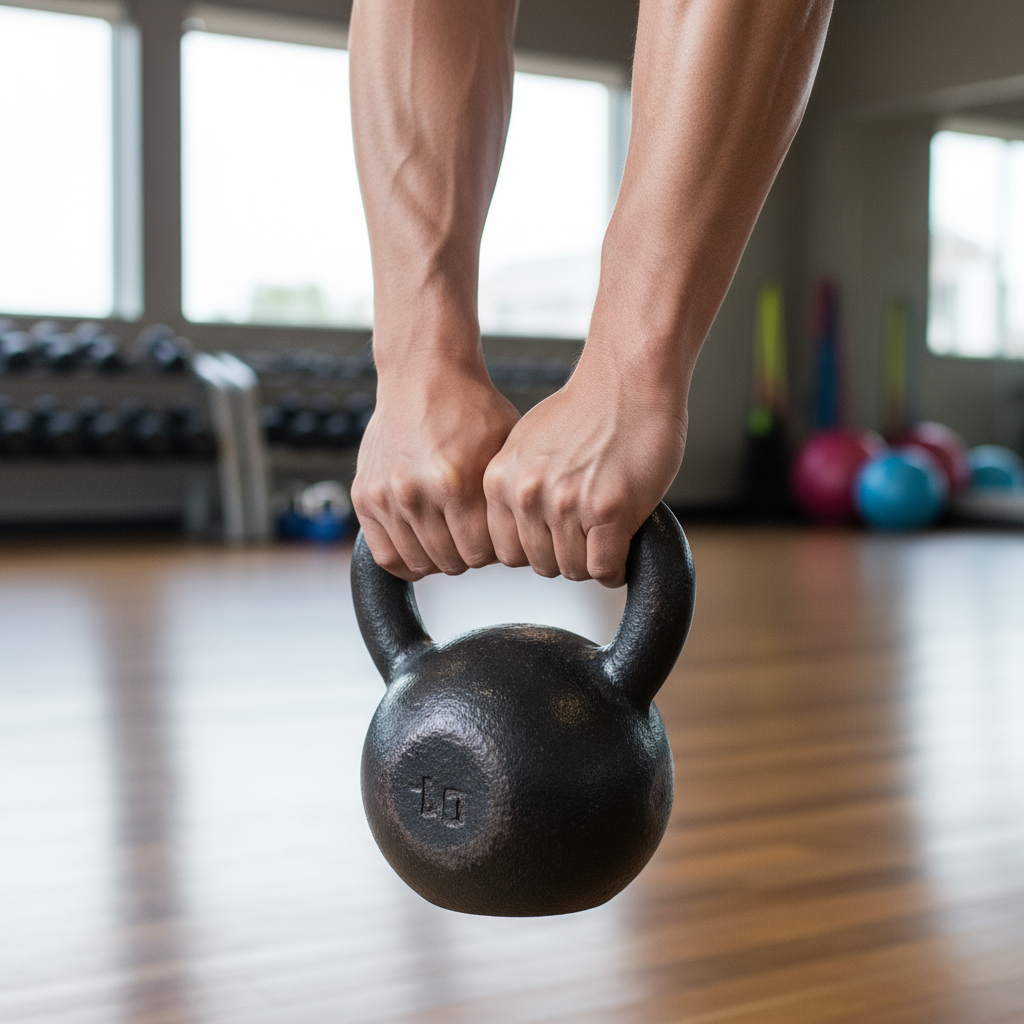
Free weights are where things get interesting. Dumbbells, barbells, kettlebells—they’re all about real-world movement patterns that translate to actual life. (Ever notice how picking up a heavy box feels easier after deadlifting for a while?) Kettlebells deserve special mention here because they’re basically cardio and strength training rolled into one sweaty package. Want the full scoop? Check out what experts say about kettlebell workouts. Resistance bands? Don’t let their simplicity fool you. They’re portable, versatile, and surprisingly tough when you need them to be. Perfect for hotel rooms or tiny apartments. And machines? They’re your steady, reliable friend—especially when you’re learning the ropes or working around an injury.
Key Aspects of Resistance Training Exercise Types
Each type has its sweet spot, and knowing when to use what can make all the difference. Here’s the breakdown:
- Bodyweight Exercises: Your body becomes the weight room. These moves build functional strength that actually helps in real life, and you can do them anywhere—your living room, a park, that tiny hotel room. Perfect for beginners who want to master movement before adding external weight.
- Free Weight Exercises: This is where you’ll see serious strength gains. Dumbbells, barbells, and kettlebells force your stabilizing muscles to work overtime, improving coordination and giving you endless ways to challenge yourself as you get stronger.
- Resistance Band Exercises: Don’t underestimate these stretchy powerhouses. They’re great for all fitness levels, travel like a dream, and work wonders for rehab, flexibility, and building that muscle-burning endurance through variable resistance.
- Machine-Based Exercises: Think of these as your training wheels (but in the best way). They guide your movement, let you focus on specific muscles, and offer a safer starting point for beginners or anyone coming back from injury.
Understanding what each brings to your fitness toolkit helps you build a routine that actually makes sense for where you are right now. Speaking of making sense—let’s talk about how to do this stuff effectively.
Tips for Effective Resistance Training
Want to know the secret to getting real results? It’s not about having the perfect gym or the most expensive equipment. It comes down to four things: showing up consistently, doing things right, challenging yourself progressively, and giving your body time to recover. Sounds simple, right? It is—but simple doesn’t always mean easy. Consistency might be the hardest part. Life gets crazy, motivation fades, and suddenly it’s been three weeks since you touched a weight. (We’ve all been there.) That’s why having strategies to stay motivated to exercise can be a total game-changer.
Here’s what really matters: your form has to be on point. I’d rather see you lift lighter with perfect technique than go heavy with sloppy form. Progressive overload is your best friend for continuous gains—basically, you need to keep challenging your muscles as they adapt. And recovery? Non-negotiable. Your muscles don’t actually get stronger during your workout—they get stronger during rest. If you want to dig deeper into structuring all this, the experts have some solid advice on best strength training exercises that works for everyone from complete beginners to seasoned lifters.
Key Aspects of Effective Training Practices
These four pillars will make or break your resistance training success:
- Consistency and Frequency: Aim for 2-4 sessions per week—your muscles need regular stimulation to adapt and grow. The magic happens when you stick with it long enough for those adaptations to really take hold.
- Proper Form and Technique: This is where you either set yourself up for success or injury. Learn the movements right from the start, use mirrors, ask for help, watch videos—whatever it takes to nail the technique before you worry about adding weight.
- Progressive Overload: Your muscles are smart—they adapt quickly. Keep challenging them by gradually adding weight, reps, or complexity. Track your progress so you know when it’s time to level up.
- Recovery and Rest: Rest days aren’t lazy days—they’re growth days. Your muscles repair and strengthen during recovery, so plan for it. And yes, sleep counts as part of your training program.

Here’s the thing about resistance training—it’s not just another fitness trend that’ll fade away next year. This stuff works. Whether you’re doing bodyweight squats in your living room, lifting free weights at the gym, or stretching resistance bands during your lunch break, you’re building something real. Stronger muscles, better metabolism, tougher bones, and a body that can handle whatever life throws at it. And honestly? The variety keeps things interesting. Your muscles never get bored (if that’s even possible), and you never stop seeing results.
But here’s what I love most about resistance training—it teaches you things beyond the physical stuff. You learn consistency. You develop discipline. You start paying attention to how your body moves and feels. Progressive overload becomes your best friend (trust me on this), helping you get stronger safely without overdoing it. Recovery days? They’re not lazy days—they’re when the magic actually happens. Skip your warm-ups or ignore proper form, and you’ll learn the hard way why these basics matter. It’s a journey that grows with you, whether you’re just starting with wall push-ups or you’re ready to tackle kettlebells and machines.
Ready to take things to the next level? I’ve got you covered. If you’re new to this whole resistance training thing, start with our comprehensive bodyweight exercises for beginners guide—no gym required. Want to level up your strength game? Check out our detailed breakdown of the best strength training exercises that actually deliver results. And if you’re curious about kettlebells (you should be—they’re incredible for both strength and cardio), our article on the benefits of kettlebell workouts will show you exactly why they’re worth your time. Oh, and since motivation can be tricky sometimes? Our guide on how to stay motivated to exercise has some game-changing strategies to keep you moving forward.
Look, resistance training isn’t just about getting swole or fitting into smaller jeans (though those are nice bonuses). It’s about investing in yourself—your health, your confidence, your ability to feel strong and capable every single day. You’ve got all the knowledge you need right here. The only thing left? Actually doing it. Progress takes time, and some days will be harder than others. But every rep counts, every session matters, and every small improvement is worth celebrating. Your stronger, healthier self is waiting. Time to get started.
Frequently Asked Questions
-
What are the best exercises for beginners?
- Simple bodyweight movements such as squats and push-ups provide a safe and effective way for beginners to build foundational strength without equipment.
-
How often should I do resistance training each week?
- Aiming for 2 to 3 sessions per week allows muscles adequate time to recover while providing the stimulation needed for steady strength gains.
-
Can resistance training help with weight loss?
- Absolutely. Resistance training boosts metabolism and muscle mass, which helps increase calorie burn even at rest, supporting effective weight loss.
-
Should I use machines or free weights?
- Both types have benefits: machines offer guided movement and safety for beginners, while free weights enhance functional strength and activate stabilizing muscles.
-
How do I avoid injury during resistance training?
- Maintain proper form, warm up thoroughly before workouts, progress gradually with weights, and listen to your body’s signals to prevent injury.