Table of Contents
Introduction
Your lower back’s aching again. Your posture looks like a question mark by 3 PM. And don’t even get me started on those moments when you nearly lose your balance getting out of bed. Sound familiar? Here’s the thing—your core might be trying to tell you something important.
Building a strong, stable core isn’t just about getting six-pack abs (though that’s a nice bonus). It’s about creating a foundation that supports everything you do. Think of your core as your body’s natural weightlifting belt—one that’s always on, always working, always protecting you.
So what exactly is core stability? It’s when all those muscles in your abdomen, lower back, pelvis, and hips decide to work as a team instead of going solo. When they’re firing together properly, magic happens. Your spine gets the support it needs. Your posture improves. Even simple things like picking up groceries or playing with your kids become easier and safer.
Here’s what really gets me excited about core training—it’s not just for athletes. Sure, if you’re looking to boost your performance, a solid core is non-negotiable. But even if your biggest athletic achievement is walking up two flights of stairs without getting winded, strengthening your core will change how you move through life. And if you’re just starting out? Check out these fitness challenges for beginners to ease into things without overwhelming yourself. Plus, functional fitness workouts are perfect for building the kind of core strength that actually translates to real-world activities.
Now, let’s talk about why bodyweight exercises are your best friend here. No fancy equipment needed—just you and gravity working together. The bodyweight exercises for beginners guide is a goldmine for building that foundation safely and effectively. But here’s something people don’t talk about enough: the mental health benefits. When your core is strong and stable, you carry yourself differently. You feel more confident. Tension melts away. It’s like your body finally remembers how good it feels to move properly.
And yes, what you eat matters too. Your muscles need fuel to grow and recover, which is where proper nutrition for athletes comes in handy. But beyond the physical stuff, there’s something magical about how exercise—especially core work—affects your mental state. The connection between mental health and exercise benefits is real, and you’ll feel it firsthand.
Building a resilient core? It’s honestly one of the best investments you can make in yourself. Picture this: you’re standing taller without thinking about it. That chronic lower back pain that’s been your constant companion? Gone. You’re not second-guessing every step you take because your balance is rock-solid.
Whether you spend your weekends hiking mountains or your days hunched over a computer (no judgment—we’ve all been there), your core affects everything. Every twist, every bend, every time you reach for something on a high shelf—your core is either helping you or letting you down. From your six-pack muscles to those deep stabilizers you can’t even see, each muscle group has a job to do. And when they’re all working together? That’s when you start feeling unstoppable.
The best part? You don’t need years to see results. With consistent training and some smart lifestyle tweaks, you’ll notice changes in just a few weeks. Your movements become more fluid. Your confidence grows. You start moving like the strong, capable person you actually are.
What You’ll Learn in This Guide
Ready to transform your core? This guide has everything you need to get started and keep progressing. Here’s what we’re covering:
- The Anatomy of the Core: We’ll break down exactly which muscles you’re working with—your abs, obliques, lower back, and pelvic floor—and why each one matters for keeping you stable and moving smoothly.
- Benefits of Core Stability: You’ll discover how a strong core fixes your posture, protects you from injury, supercharges your athletic performance, and gives you the balance and coordination to handle whatever life throws at you.
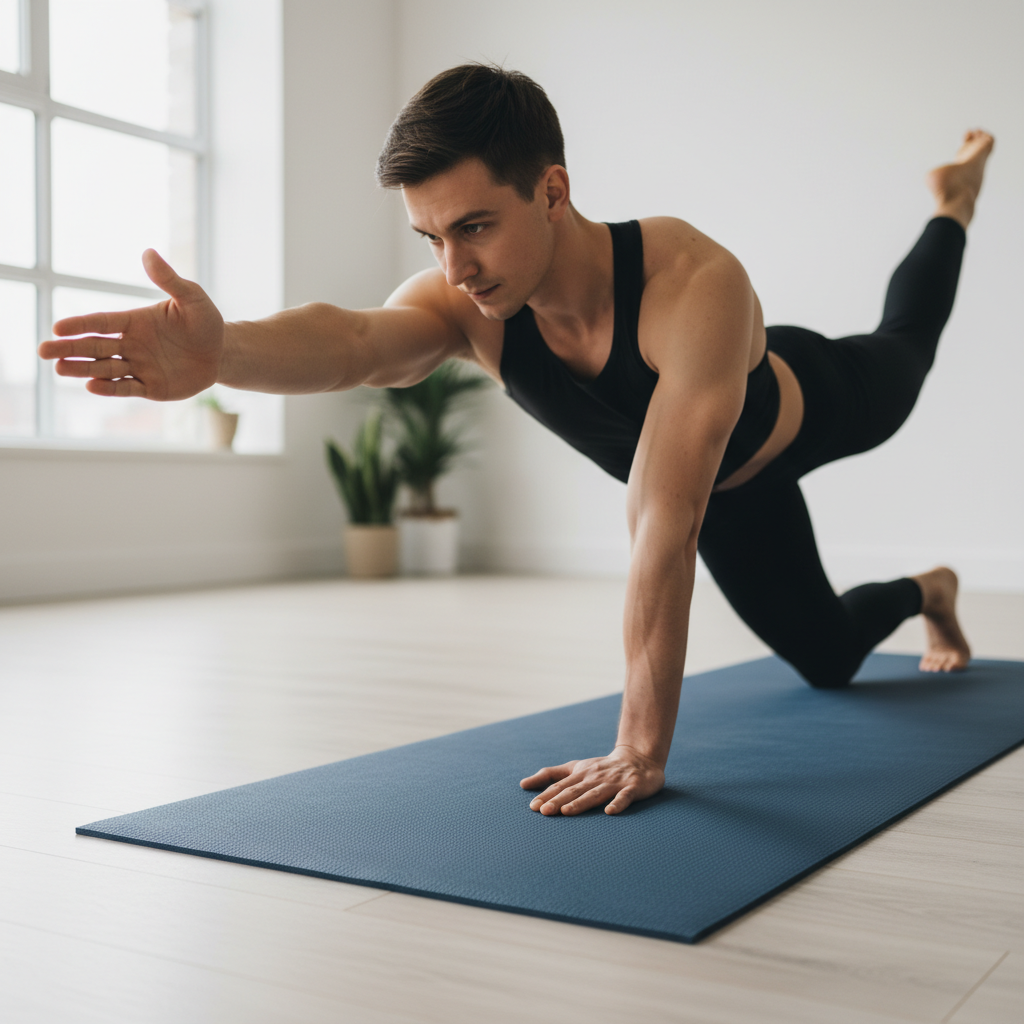
- Effective Exercises: From basic moves like planks and bird dogs (that actually work) to challenging exercises like Russian twists and stability ball workouts that’ll keep your core guessing and growing.
- Lifestyle Tips and Professional Guidance: Learn which daily habits support your core strength, what to eat for better results, and when it’s time to call in a professional for persistent pain or posture problems.
You’ll walk away with a game plan that actually makes sense for your life. We’re starting with the fundamentals—because you’ve got to crawl before you can sprint—then building up to more challenging workouts. And we’re not just talking exercise here. The lifestyle pieces matter just as much for long-term success.
As we go deeper, we’ll also explore some fantastic training options like the benefits of kettlebell workouts and beginner-friendly CrossFit workouts for beginners. These are perfect for taking your core work to the next level—combining strength, endurance, and functional fitness in ways that make you stronger in real life, not just in the gym.
So are you ready to stop settling for a weak core that’s holding you back? Let’s build something stronger together. Your future self will thank you.
Introduction
Here’s the thing about core stability—it’s way more important than most people realize. Think of your core as your body’s foundation. Just like you wouldn’t build a house on shaky ground, you can’t expect your body to move efficiently without a solid center. Your core supports literally everything you do, from picking up groceries to crushing that weekend hike. And when it’s strong? You’ll feel the difference in your posture, your confidence, and how your body handles whatever life throws at it. We’re going to dive deep into what core stability really means and show you exactly how to build the kind of strength that’ll change how you move through the world.
Understanding Core Stability and Its Impact on Health
So what exactly is core stability? Picture this: it’s your body’s ability to keep your spine and pelvis steady while you’re moving around (or even just standing still). Your core muscles work together like a well-coordinated team, giving your arms and legs a stable base to work from. Without this stability, you’re basically trying to shoot a cannon from a canoe—nothing’s going to go quite right. You’ll find yourself dealing with muscle strains, that nagging lower back pain, and posture that makes you look like you’re carrying the weight of the world on your shoulders. Your core isn’t just your abs, though. We’re talking about a whole network: your abdominals, obliques, lower back muscles, and even your pelvic floor. They all have to work together. If you want to see how this fits into the bigger picture of total body fitness, check out these functional fitness workouts that show you how everything connects.
Now here’s where it gets exciting. When you start building real core stability, the benefits ripple through everything you do. Your posture improves (goodbye, hunched shoulders). You’re less likely to get hurt during workouts or even mundane activities like moving furniture. Athletes notice better performance, but here’s what’s really cool—you’ll have better balance and coordination for everyday life. Ever notice how some people just seem more graceful? A lot of that comes down to core strength. There’s even a connection between your core and cardiovascular endurance. When your posture is on point during cardio, you breathe better and use energy more efficiently. If you’re just getting started on your fitness journey, don’t worry—everyone begins somewhere. Take a look at how to start a fitness routine for practical advice on building consistency.
Key Areas of Core Stability
Let’s break down the main players in your core stability team:
- Abdominal Muscles: Your abs are the stars of the show when it comes to bending forward and twisting your torso. But they’re also working behind the scenes to keep your spine stable. Strong abs take pressure off your lower back and help you maintain good posture whether you’re sitting at a desk or standing in line at the coffee shop.
- Obliques: These are your side muscles—the ones that help you twist and bend sideways. They’re crucial for any sport that involves rotation (think tennis or golf), but they also help you stay balanced when you’re reaching for something or carrying a heavy bag on one side.
- Lower Back Muscles: These muscles work hand-in-hand with your abs to keep your spine happy. They’re what help you stand up straight and arch backward. When your lower back is strong and your abs are engaged, you’ve got a winning combination for spinal health. For workouts that give you balanced strength throughout your entire body, including your back, explore these best strength training exercises.
- Pelvic Floor Muscles: These might be the most overlooked muscles in fitness, but they’re incredibly important. They support your pelvic organs and work with your deep core muscles to create stability from the inside out. A strong pelvic floor contributes to better bladder control and overall core endurance.
When you train all these muscles together—not just focus on getting six-pack abs—you build the kind of functional strength that actually makes a difference in your daily life. It’s about creating balance and preventing those muscle imbalances that can lead to injury down the road.
And here’s something worth noting: your lifestyle plays a huge role in all of this. The way you sit, stand, and move throughout the day either supports or undermines all the hard work you’re putting in at the gym. Small adjustments to your daily habits can make a surprisingly big impact.
Effective Exercises and Lifestyle Habits to Enhance Core Stability
Ready to actually build this core strength we’ve been talking about? The best approach combines targeted exercises with smart lifestyle choices. You don’t need to jump into advanced moves right away—start with exercises that teach you how to engage your core properly, then gradually work up to more challenging movements. Proper form beats impressive reps every single time. Trust me on this. If you’re new to bodyweight training, these bodyweight exercises for beginners will help you build confidence and nail your technique.
But exercise is only part of the equation. How you carry yourself throughout the day matters just as much. Good posture, staying active (even if it’s just taking the stairs instead of the elevator), and supporting your body with proper nutrition all contribute to core strength. Your muscles need the right fuel to repair and grow stronger. If you really want to maximize your results, you should also focus on how to improve posture as part of your overall core stability plan.
Key Techniques and Habits for Core Stability
Here’s what you need to focus on to build a rock-solid core:
- Consistent Core Activation: This is where most people go wrong—they think about their core only during “ab workouts.” Real core strength comes from learning to engage these muscles properly during every exercise. Draw your belly button gently toward your spine, keep your spine in neutral alignment, and resist the urge to compensate with other muscles when things get tough.
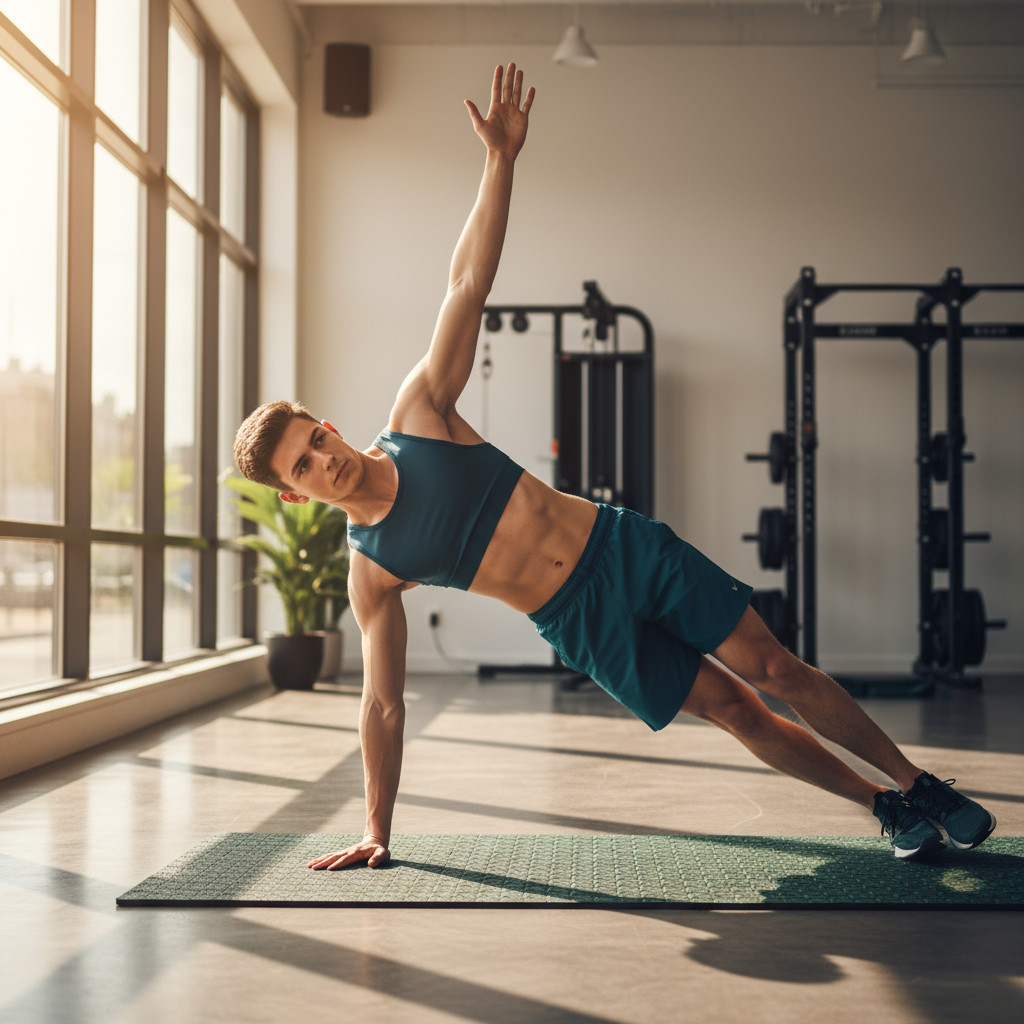
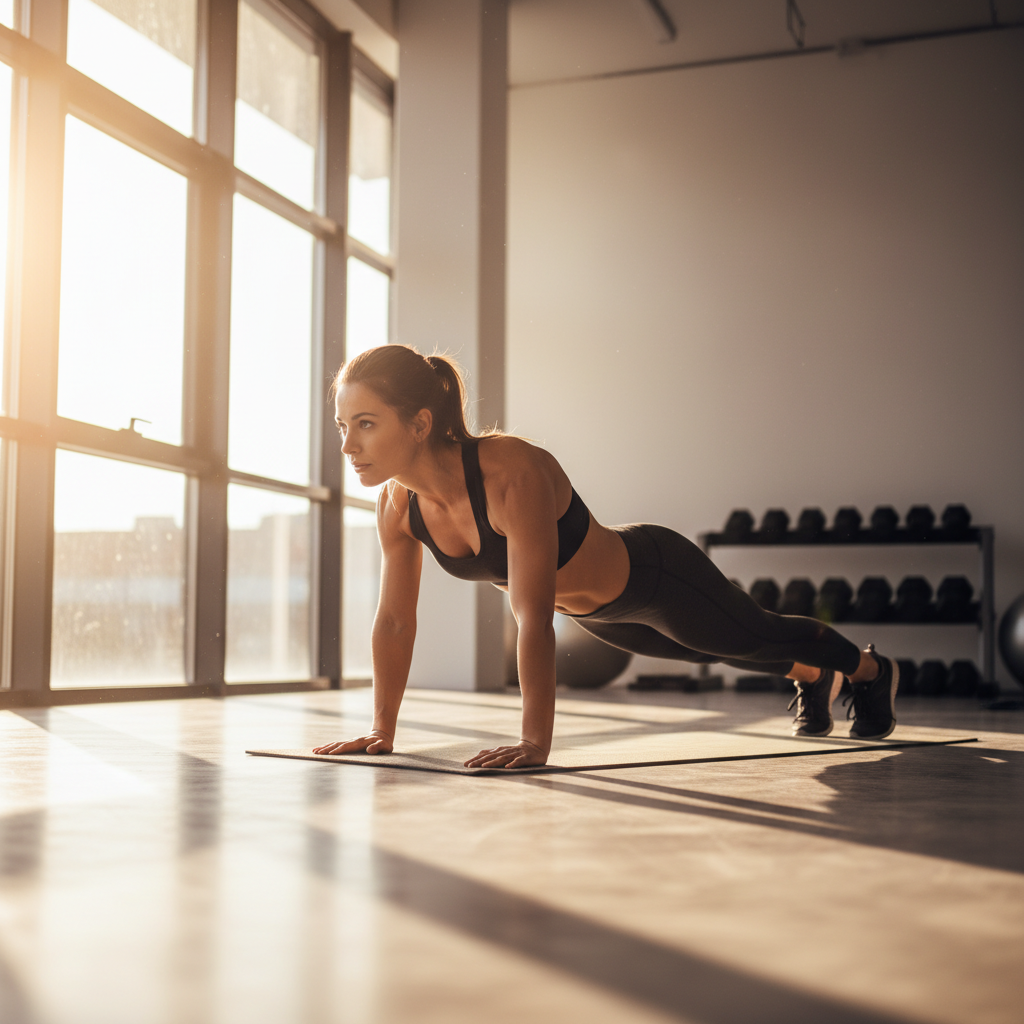
- Progressive Exercise Intensity: Start with the basics—planks, bridges, dead bugs. Master these before moving on to more dynamic exercises like Russian twists or medicine ball slams. Your core needs to learn stability before it can handle power and rotation. Build your foundation first.
- Maintain Proper Breathing and Alignment: Here’s something that trips up a lot of people: holding their breath during core exercises. Keep breathing steadily—it actually helps your muscles work better. Combine this with good posture and alignment, and you’ll get more out of every exercise while staying safe.
- Lifestyle Integration: Make your environment work for you. Set up your workspace ergonomically, take movement breaks throughout the day, and pay attention to how you’re sitting and standing. Your core is working (or should be working) all day long, not just during your 30-minute workout. And don’t forget about nutrition—your muscles need proper fuel to get stronger. For specific nutritional strategies that support your fitness goals, check out this guide on nutrition for athletes.

Here’s the thing about core stability—it’s not just about getting abs that look good in photos. (Though that’s a nice bonus!) A strong core is like having a built-in superhero suit for your spine. It keeps you balanced, helps you move better, and honestly? It makes pretty much everything easier. We’re talking about your abs, obliques, lower back, and pelvic floor all working together like a well-oiled machine. When they’re strong, you’ll notice the difference in how you feel every single day.
The best part? You don’t need to be a fitness guru to get started. Simple bodyweight exercises and paying attention to how you sit and stand can work wonders. Add some smart nutrition choices to fuel those muscles, and you’re golden. What I love about core training is that it spills over into everything else—carrying groceries becomes easier, your back doesn’t ache after long days, and you just feel more solid on your feet.
Ready to actually make this happen? Start with our bodyweight exercises for beginners guide—it’ll teach you the right way to engage those muscles without any fancy equipment. When you’re ready to level up, try our fitness challenges for beginners to keep things interesting. (Because let’s be honest, nobody wants to do the same routine forever.) If motivation starts to wane—and it happens to all of us—check out our tips on how to stay motivated to exercise. And don’t forget about nutrition! Our nutrition for athletes guide has everything you need to fuel your muscles properly.
Look, building core strength isn’t about perfection—it’s about showing up consistently and celebrating the small wins along the way. Your body is incredibly adaptable and wants to get stronger. Give it the right movements, fuel it well, and be patient with the process. Before you know it, you’ll be moving with more confidence and feeling more stable in everything you do. You’ve got all the tools you need right here. Time to put them to work.
Frequently Asked Questions
-
How long does it take to see improvement in core stability?
- Most people start feeling stronger and more stable within 2-3 weeks of consistent training. You might notice better posture and less back discomfort even sooner than that.
-
Can core stability exercises help with lower back pain?
- Absolutely! A strong core takes pressure off your lower back by providing better spinal support. Many people find their back pain decreases significantly with regular core work.
-
Is it necessary to use equipment for core stability training?
- Not at all. Your body weight provides plenty of resistance for effective core training. Equipment can add variety and challenge as you progress, but it’s definitely not required to get started.
-
How often should I train my core muscles?
- Aim for 3-4 times per week. Your core muscles recover relatively quickly, so you can train them more frequently than larger muscle groups without overdoing it.
-
Can poor posture affect core stability?
- Yes, poor posture and weak core muscles often go hand in hand. Improving one typically helps the other, which is why focusing on both posture awareness and core exercises works so well.