
Build Sustainable Fitness Habits That Actually Stick
Let’s be real—you’ve probably started a fitness routine before. Maybe you crushed it for two weeks, felt amazing, then life happened and you found yourself back on the couch wondering what went wrong. You’re not alone, and it’s not because you lack willpower or discipline. The truth is, most people approach fitness like it’s a sprint when it’s actually a marathon. Building sustainable fitness habits isn’t about finding the perfect workout or the most restrictive diet. It’s about creating a system that works with your life, not against it.
The difference between people who transform their fitness and those who don’t usually comes down to one thing: they’ve figured out how to make fitness a non-negotiable part of their routine, not something that feels like punishment. This guide will walk you through the science and the practical strategies that actually work for creating habits that last. No toxic hustle culture, no “go hard or go home” nonsense—just honest, actionable advice that fits into a real life.

Why Fitness Habits Matter More Than Motivation
Here’s something that might surprise you: motivation is unreliable. It’s a feeling that comes and goes, and it’s definitely not something you want to depend on when it’s raining outside and your bed is warm. Habits, on the other hand, are automatic behaviors that require minimal mental effort once they’re established. When fitness becomes a habit, you don’t have to convince yourself to work out. You just do it, the same way you brush your teeth or grab your keys before leaving the house.
The science backs this up. According to research from the National Institutes of Health on habit formation, it takes an average of 66 days for a behavior to become automatic. Some people see results faster, others take longer—but the key is consistency. When you’re relying on motivation, you’re fighting against your brain’s natural tendency to conserve energy. When you’re building a habit, you’re working with your brain’s reward system to make fitness feel natural.
Think about it this way: if you had to make a conscious decision every single day to shower, eat breakfast, or brush your teeth, you’d probably skip some of those things. But you don’t think about them because they’re habits. That’s exactly what you want with fitness. When working out becomes as automatic as your morning routine, you’ve won half the battle.
Understanding the Habit Loop
Every habit follows the same basic pattern: cue, routine, and reward. Understanding this loop is crucial because it’s how you’ll design fitness habits that actually stick. Let’s break it down.
The cue is the trigger that starts the behavior. This could be a specific time of day (7 AM), a location (your gym), an emotion (feeling stressed), or an existing habit (finishing breakfast). The routine is the behavior itself—your workout, your stretch session, your walk. The reward is the benefit you get from completing the routine, and this is where most people get it wrong.
People think the reward has to be some massive transformation or hitting a new personal record. But immediate rewards are what your brain craves. That could be the endorphin rush after a workout, the feeling of checking something off your list, the satisfaction of putting on clothes that fit better, or even just the hot shower afterward. When you understand what reward actually reinforces your behavior, you can design habits that feel good to do, not like obligations.
Here’s a practical example: if your cue is “finishing breakfast,” your routine is “20-minute walk,” and your reward is “coffee at your favorite café,” you’ve created a habit loop that works. Your brain starts to anticipate that reward, and over time, the walk becomes automatic. That’s how sustainable habits are built.
Start Small and Build Momentum
One of the biggest mistakes people make is starting too aggressively. You’re excited, motivated, and ready to transform your life. So you commit to working out six days a week, overhauling your entire diet, and waking up at 5 AM. Spoiler alert: this doesn’t work for most people.
Instead, start so small that it feels almost too easy. This isn’t being lazy—it’s being strategic. Research on behavior change shows that starting with tiny wins actually leads to bigger transformations over time. If you currently work out zero times per week, committing to three days is a shock to your system. Committing to one 15-minute session? That’s manageable. Once that becomes automatic, you can add more.
This approach also protects you from the all-or-nothing mentality that derails so many fitness plans. If you miss one workout out of six, you might think “well, I’ve already failed” and give up entirely. But if you miss one workout out of one? That’s just one missed session, and you can get back on track the very next day. The lower the barrier to entry, the easier it is to maintain consistency and build momentum.
Consider exploring different types of cardio exercises to find what you actually enjoy. If you hate running, forcing yourself to run five days a week is a recipe for failure. But if you discover you love cycling or swimming or dancing, suddenly working out doesn’t feel like punishment.
Remove Friction From Your Routine
Friction is anything that makes it harder to do the thing you want to do. It’s the enemy of habit formation. Every bit of friction you remove makes it more likely that you’ll actually follow through.
Let’s say you want to start a morning workout habit. What’s friction? Having to dig through a pile of laundry to find your workout clothes. Having to pack your gym bag the night before. Having to debate whether you’ll go to the gym or not. How do you remove it? Lay out your clothes the night before. Keep your gym bag packed and ready. Pick a specific time and location so there’s no decision to make—you just go.
The same principle applies to nutrition. If you want to eat healthier, having to figure out what to cook every night is friction. Meal prepping on Sunday removes that friction. If you want to drink more water, keeping a water bottle on your desk removes the friction of having to go get one. Small things, but they add up.
One practical strategy is to set realistic fitness goals that account for your actual life. If you work 10-hour days and have two kids, your fitness routine needs to work within those constraints. Maybe that means shorter, more intense workouts instead of hour-long sessions. Maybe it means finding ways to move during your day instead of setting aside dedicated gym time. The goal is to make fitness fit your life, not restructure your life around fitness.
Another way to reduce friction is to make the environment work for you. If you want to work out at home, set up a small space with just what you need. If you go to a gym, choose one that’s on your way to work or home, not somewhere that requires an extra 20-minute detour. These environmental design choices sound small, but they’re huge for consistency.
Track Progress Without Obsession
Tracking is powerful. It helps you see patterns, celebrate wins, and stay accountable. But there’s a difference between helpful tracking and obsessive tracking that becomes counterproductive.
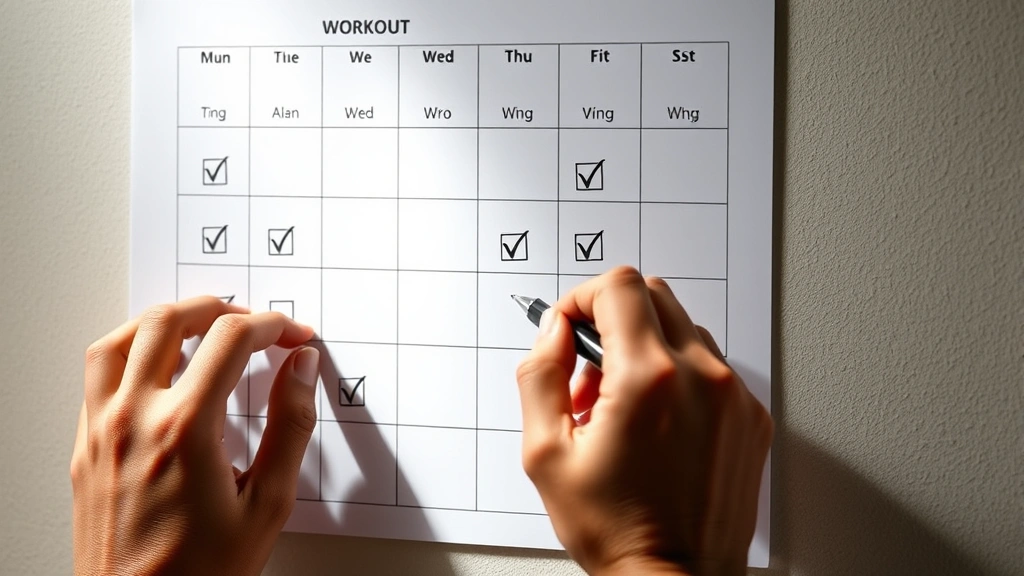
Helpful tracking might look like: logging your workouts in a simple calendar, noting how you felt during the session, or taking progress photos every few weeks. This gives you concrete evidence that you’re showing up and making progress, which reinforces the habit.
Obsessive tracking looks like: weighing yourself daily, obsessing over every calorie, or constantly comparing yourself to others online. This tends to create anxiety and can actually make you less likely to stick with your habits long-term.
Find the middle ground. Pick one or two metrics that matter to you and track those consistently. For some people, it’s the number of workouts completed per week. For others, it’s energy levels, how clothes fit, or performance metrics like how many push-ups they can do. The key is choosing something that motivates you rather than stresses you out.
A great way to deepen your fitness knowledge while tracking progress is to understand how to calculate macros if nutrition tracking appeals to you. But again, this should enhance your habits, not become a source of stress. If tracking macros makes you anxious, skip it. There are plenty of other ways to eat well and build sustainable nutrition habits.
Find Your People
Humans are social creatures. We’re more likely to stick with something when we feel connected to a community of people doing the same thing. This is one of the most underrated factors in sustainable fitness habits.
This doesn’t necessarily mean joining a CrossFit box or a boutique fitness studio (though those can be great). It could be a group chat with friends who also want to get healthier. It could be an online community focused on your type of exercise. It could be a walking group in your neighborhood or a virtual fitness class where you see the same people every week.
The accountability is real, but it’s not about judgment. It’s about having people who understand what you’re trying to do and who celebrate your wins. When you know someone’s going to ask you how your workout went, you’re more likely to actually do it. When you see other people showing up consistently, it normalizes the habit and makes it feel achievable.
If you’re new to fitness or getting back into it after time away, consider exploring resources from the American College of Sports Medicine to understand exercise science, and don’t hesitate to reach out to communities that align with your goals. Whether it’s understanding recovery techniques for athletes or just finding people who get why you’re excited about your fitness journey, community matters.
Adapt When Life Changes
Here’s the thing about sustainable fitness habits: they need to be sustainable through life’s changes. You’ll have seasons where you’re busier, seasons where you’re sick, seasons where your priorities shift. A truly sustainable habit is one that can adapt to these changes without falling apart completely.
Maybe your go-to morning workout routine isn’t possible when you’re traveling. That’s okay. You adapt. Instead of a full workout, you do 10 minutes of movement in your hotel room. It’s not ideal, but it maintains the habit. Maybe you get injured and can’t do your usual routine. You adapt by doing mobility work or different exercises that don’t aggravate the injury.
This flexibility is actually what separates people who maintain fitness long-term from people who give up when life gets messy. Life will get messy. Plans will fall apart. The question is whether your fitness habits can bend without breaking.
One way to build in this flexibility is to have different versions of your routine for different circumstances. Your ideal scenario, your “life is crazy” scenario, and your “I’m sick or injured” scenario. When one version isn’t possible, you have another one ready to go. You’re still showing up, just in a different way.
The Mayo Clinic’s fitness guidelines emphasize that some movement is always better than none, which is the perfect mindset for navigating life’s challenges while maintaining your habits.
FAQ
How long does it take for a fitness habit to stick?
Research suggests around 66 days on average, but this varies widely. Some people see habits form in 21 days, others need 200+ days. The key is consistency, not perfection. If you’re doing something regularly for at least a month and it’s becoming easier, you’re on the right track.
What if I miss a day? Does that ruin everything?
Absolutely not. One missed day doesn’t undo your progress or break your habit. The key is getting back on track the next day without the all-or-nothing thinking. Most successful people miss workouts sometimes. What they don’t do is let one miss become two misses become a complete stop.
Can I build multiple fitness habits at once?
You can, but be strategic. If you’re new to fitness, focus on building one solid habit first—maybe a consistent workout routine. Once that’s automatic (usually after 4-6 weeks), you can add another habit like meal prepping or stretching. Trying to overhaul everything at once usually leads to overwhelm and failure.
How do I know if a fitness habit is actually sustainable for me?
If you can do it on a day when you’re tired, stressed, or not particularly motivated, and it still feels manageable, it’s probably sustainable. If you can only stick with it when life is perfect and you’re feeling motivated, it might be too ambitious. Sustainable habits work even when conditions aren’t ideal.
What’s the best way to restart if I’ve fallen off?
Don’t try to jump back to where you were. Start small again. If you took three months off from working out, don’t commit to five days a week immediately. Commit to two days, build momentum, and then increase. This prevents the shock to your system that often leads to burnout or injury.


